Khazen

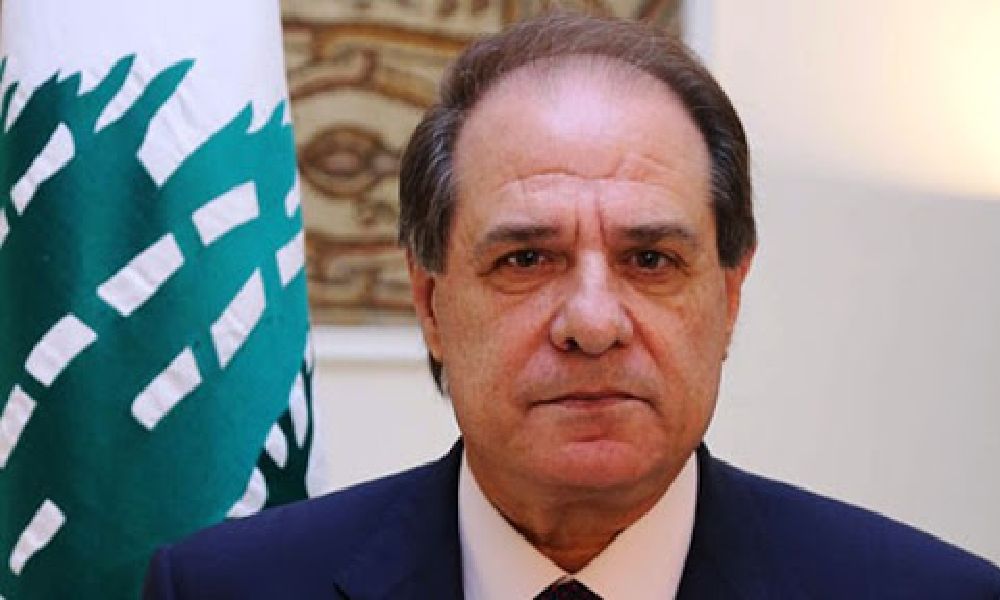
Minister Sejaan Azzi: لا يَكُن لكُم وطنٌ غيري

سجعان قزي

@AzziSejean


اللبنانيّون من مختلفِ الطوائفِ مَعنيّون أخلاقيًّا وجُغرافيًّا بالصراعِ العربيِّ ــــ الفارسيِّ في الـمِنطقة، فهم يَنتمون إلى العالمِ العربيِّ. ومعنيّون أخلاقيًّا ووطنيًّا بالنزاعِ بين السُنّةِ والشيعةِ في لبنان، فهما مكوِّنان أساسيّان في الشراكةِ الوطنيّة. أنْ نكونَ معنيّين لا يُبرِّرُ مطلقًا الانحيازَ عسكريًّا إلى الصراعِ في المنطقةِ، ومذهبيًّا إلى النزاعِ في لبنان. وأنْ نكونَ حياديّين لا يَعني أن نساويَ بين مَن يساعدُ دولةَ لبنانَ وشعبَه في كلِّ المجالاتِ (دولُ الخليجِ العربيّةُ)، وبين مَن يواصِلُ الهيمنةَ على دولةِ لبنان والإساءةَ إلى شعبِه (إيران وحلفاؤها). وأنْ نكونَ حياديّين لا يَعني أيضًا أن نساويَ بين مَن التزمَ مشروعَ الدولةِ (غالِبيّةُ السُنّةِ)، وبين مَن يَلتزِمُ مشروعًا مناقِضًا الدولةَ (حزبُ الله).

ليس اللبنانيّون ضِدَّ إيران وحزبِ الله لأنهما شيعةٌ، وليسوا مع القِوى السنيّةِ الوطنيّةِ لأنّها سُنّية. الخِيارُ الوطنيُّ يُحدِّدُ الـمَعيّةَ بمنأى عن الانتماءِ الطائفيّ. أصلًا ليس الحيادُ الامتناعَ عن الدفاعِ عن النفسِ وعن استقلالِ كيانِ لبنان وسيادةِ دولتِه ومصالحِ شعبِه أكان المعتدي لبنانيًّا أو غريبًا. حدودُ الحيادِ هي حدودُ سيادةِ لبنان. وحدودُ السيادةِ ألّا يَعتديَ أحدٌ علينا وألّا نعتديَ على أحد.

في هذين الواقِعين اللبنانيِّ والإقليميِّ ينحازُ لبنانُ إلى ذاتِه. فلبنانُ، شعبًا ودولةً وكِيانًا ونِظامًا، يتعرّضُ اليومَ لحربٍ غيرِ معلَنةٍ، ولانقلابٍ من دونِ بَلاغات. تجاهَ هذه الحالات، تَستَسلمُ الشعوبُ أو تُقاوم. وحَسْبي أنَّ اللبنانيّين أهلُ مقاومة (وإنَّ الأمسَ لذاكِره قريب). لذلك لا حرجَ في اتّخاذِ موقِفٍ صريحٍ وشُجاعٍ لصَدِّ الحربِ ووقفِ الانقلاب هذا لا يَنتهِكُ مفهومَ الحياد. مؤسِفٌ أنْ يَفرِضَ علينا حزبُ الله وإيرانُ، رغمًا عنّا، هذا الموقفَ، فيما نَطمَحُ إلى أفضلِ صداقةٍ مع إيران وأحسنِ شراكةٍ مع جميعِ شيعةِ لبنان. يَزعَمُ حزبُ الله أنّه لا يُوجِّهُ سلاحَه نحو الداخل اللبنانيّ (!!!)، لكنَّ مواقفَه وتصاريحَه ضِدَّ شركائِه في الوطن وأصدقاءِ لبنان مؤذيةٌ أكثرَ من سلاحِه. السلاحُ يَقتلُ فردًا بينما الموقفُ يَقتلُ وطنًا.
Read more
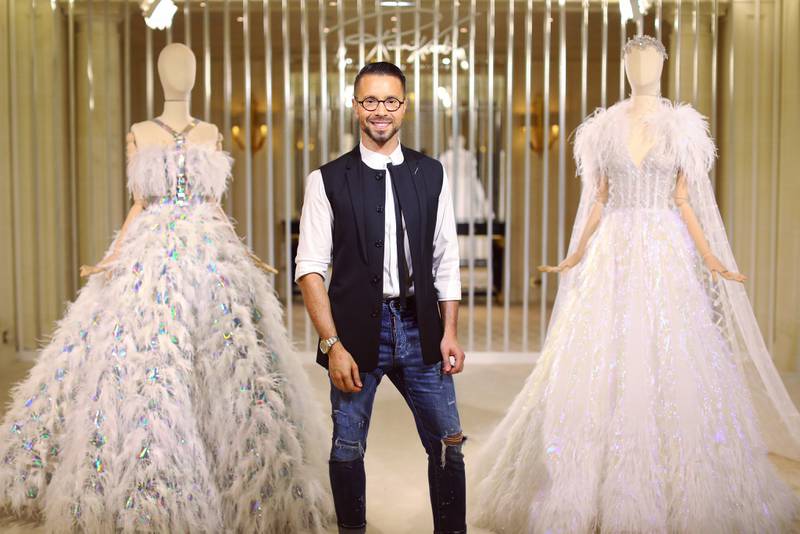
Lebanese fashion designer Rami Kadi launches first NFT collection

by Selina Denman — thenationalnews.com — Lebanese fashion designer Rami Kadi is launching his first collection of non-fungible tokens, or NFTs, dubbed Lucid Algorithms. The collection of 120 NFTs will be available for sale from 5pm, Dubai time on Wednesday on www.rami-kadi.com. A launch event will run alongside the start of the sale at the Theatre of Digital Art in Madinat Jumeirah. “NFTs will change history, they are not just for art and fashion, everything is logged into the ‘cloud’. It is like a closed contract, with owners having access to the physical and the virtual. It can never be reproduced – I am the creator and you are the owner,” the designer explains. “When you buy a Rami Kadi NFT, first, you can come to our studio to customise your own couture piece, inspired by these NFTs. Second you can dress your avatar, in 2D or 3D, and third, you will be invited to all our future events in the physical world and in the meta verse.”

The NFTs are being minted on Cardano, a public blockchain platform that is open-source and decentralised, and uses Ouroboros, the first peer-reviewed, verifiably secure blockchain protocol. “I’m very happy to be the first couturier designer that is launching an NFT in the Arab world and I am the first designer launching their NFT on Cardano,” says Kadi. On his decision to launch on Cardano, rather than competitor Ethereum, Kadi points out a number of factors. “First because the fees on Ethereum are quite high, second, Cardano is eco-friendly and sustainable for the environment and, third, because I see a lot of potential for growth on Cardano,” he says.

Read more
Analysis: Lebanon’s savers to bear burden under new rescue plan

DUBAI/BEIRUT, (Reuters) – Two years into an economic meltdown the World Bank says is one of the worst recorded, Lebanon’s rulers have proposed a way to plug a huge hole in the financial system they were blamed for making: savers will foot most of the bill, not banks or the state. The plan, seen by Reuters, seeks to revive the moribund banking system by making depositors cover more than half the $69 billion gap, which is three times the size of Lebanon’s economy. It includes converting a large portion of dollar deposits to Lebanese pounds at rates that wipe out much of their value. The state, central bank and commercial banks will contribute $31 billion, or less than half. Agreement on a plan of action is vital for securing an International Monetary Fund bailout and setting the nation on the road to recovery. The new plan needs cabinet approval.

Till now, disputes between politicians and banks about the size of losses and who should pay have stalled any agreement. This latest plan still needs to convince the IMF. But ordinary Lebanese, many driven into poverty, will have little or no say. “It is the victim that has to bear most of the burden,” said Toufic Gaspard, an economist who has advised the IMF and Lebanese finance ministry. “Their logic is unacceptable by any standard of logic anywhere in the world.” Savers have faced ‘haircuts’ in other crises around the world, although small depositors are usually protected. Savers in Lebanon with less than $150,000 will have dollars preserved – amounting to about $25 billion – but, like other depositors, the money will be paid out over 15 years. They have already largely been frozen out of their accounts for two years. Yet the scale of Lebanon’s crisis, the worst since its 1975-1990 civil war, dwarfs most other global examples. Lebanese government debt was, by some estimates, an eyewatering 500% of gross domestic product in 2021, while the same sectarian leaders who ran the nation into trouble still wield influence now.

Read more
Vatican criticises Lebanese politicians for ’profiting from suffering’ of the people

by thenationalnews.com — Vatican Foreign Minister Archbishop Paul Gallagher criticised Lebanon’s elite for exploiting problems in the country for their personal gain. ”Let there be an end to the few profiting of the suffering of many,” the archbishop said during a visit to Beirut. “No more letting half-truth continue to frustrate people’s aspirations,” he said […]

Read more
President Michel Sleiman:أصدق التهاني لقوى الأمن الداخلي وللقوى العسكرية التي استطاعت حتى الآن، بالرغم من كلّ الظروف المعاكسة، أن تبقي الأمل لدى اللبنانيين بقيامة الوطن.

إنّ الكشف عن عشرات شبكات التجسس الإسرائيلية،التي عملت محلياً واقليميا على مراقبة القوى العسكرية وكذلك على مراقبة حزب الله والفصائل الفلسطينية، على يدّ شعبة المعلومات، بالأمس كما في العام ٢٠٠٩،  بالإضافة إلى الكشف عن شبكات الإرهاب وخلايا داعش تُثبت وتُؤكّد أن لا بديل عن الدولة والقوى الشرعية في امتلاك عناصر القوة وحصرية السلاح من أجل […]

Read more
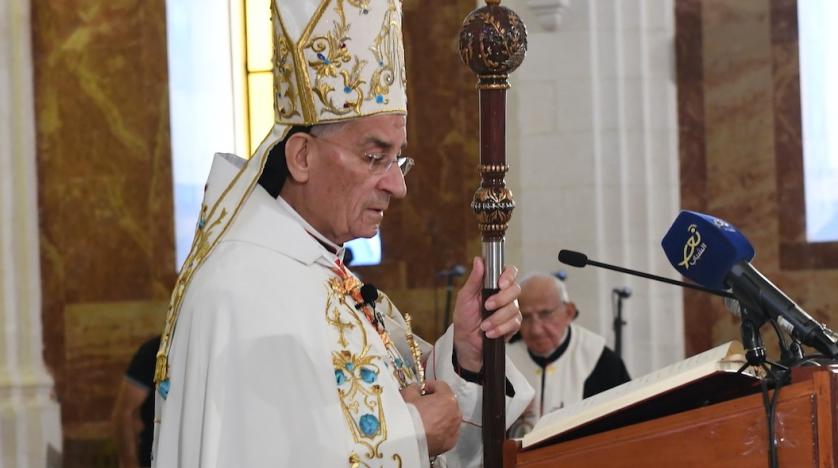
Lebanese Patriarch Warns Against Calls for Postponing Vote

BEIRUT (Reuters) – A decision by Lebanon’s leading Sunni Muslim politician to step back from politics and boycott a parliamentary election in May must not be used as an excuse to call for a delay, the Maronite Christian patriarch said on Sunday. Cardinal Bechara Boutros Al-Rai said he was surprised by three times-former prime minister Saad al-Hariri’s decision and said he hoped Sunnis would still take part so the election “expresses the position of all Lebanese”. “Given the importance of this parliamentary (election), we must all confront attempts to circumvent it,” Rai said, noting the new parliament would elect President Michel Aoun’s replacement. Referring to Hariri’s decision, he said “it is not allowed for some to invoke the new reality and promote the postponement of the parliamentary elections”. He did not say to whom he was referring.

Lebanon’s 2018 election produced a majority for the heavily armed, Iran-backed Shi’ite group Hezbollah and its allies, who include Aoun. Its adversaries hope to overturn this in May. Rai is a critic of Hezbollah https://www.reuters.com/world/lebanons-top-christian-cleric-criticizes-hezbollah-leaked-video-2021-04-01, saying it has harmed Lebanon by dragging it into regional conflicts. Hezbollah, designated a terrorist group by Washington, is part of an Iran-led alliance vying for regional influence with U.S.-allied Gulf Arab states. While none of Lebanon’s main parties have called for an election delay, many observers believe this may well suit a number of influential players, though not adversaries of Hezbollah, such as the Christian Lebanese Forces party. Western states want the vote to go ahead on time. Saad will leave a fractured Sunni community in his wake.

Read more
President Michel Sleiman: فالمادة ٥٢ من الدستور واضحة وتنص على تولي رئيس الجمهورية بالاتفاق مع رئيس الحكومة المفاوضة لعقد المعاهدات الدولية

المشكلة في الاجابة على الرسالة العربية الخليجية ليست في الصلاحيات، فالمادة ٥٢ من الدستور واضحة وتنص على تولي رئيس الجمهورية بالاتفاق مع رئيس الحكومة المفاوضة لعقد المعاهدات الدولية… و الاجابات المطلوبة هي اقل من معاهدة كما انها تحت سقف البيان االوزاري. المشكلة الاساس ان دول العالم والعرب والخليج لا ينحصر همهم بالصلاحيات، بل يطالبون لبنان […]

Read more
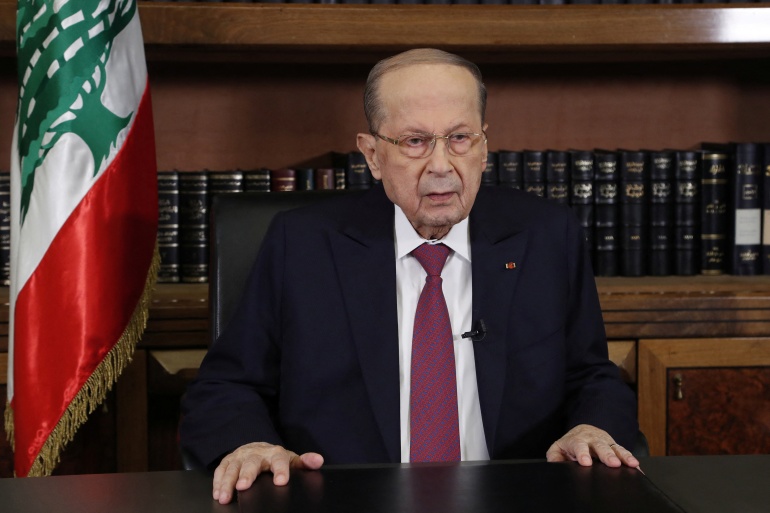
Aoun stresses Sunnis’ role in preserving Lebanon unity

By Najia Houssari — arabnews.com — BEIRUT: Lebanese President Michel Aoun made a surprise visit to Dar Al-Fatwa on Saturday, where he met with Lebanon’s Grand Mufti Sheikh Abdel Latif Derian, the highest authority in Sunni Islam in the country, amid fears of a Sunni boycott of Lebanon’s political process. Aoun stressed the role “that the Sunni community plays in preserving Lebanon’s unity and political diversity, and the importance of participating alongside all other components in national and political life, as well as all elections that define the future of Lebanon and its people. “Arrangements are underway so that the parliamentary elections are held as scheduled, and there is no reason to postpone them,” he added, stressing that “the Sunni community is an essential component, and we do not support its boycott of the elections.”

Aoun’s visit to Dar Al-Fatwa was described by political observers as “an attempt to remedy what can no longer be remedied; too little, too late.” A source close to the former prime minister of Lebanon, Fouad Siniora, told Arab News: “The damage was done to the Sunni community when Aoun obstructed all attempts made by PM-designate Saad Hariri to form his government. Aoun went further by insulting Hariri, calling him a liar. “Lebanon’s relationship with the Gulf states was also damaged as a result of the positions of Aoun and Hezbollah regarding the abuse committed against Saudi Arabia. It’s pointless to resort to Dar Al-Fatwa now.”

Read more
An important turning point for Lebanon: Will it rise to the occasion?

By Edward Gabriel — thehill.com — Lebanon is at a crucial crossroads as its government finally convenes for the first time in several months. It will have little time to negotiate a reform package with the International Monetary Fund to avoid economic collapse. And while the Shiite duo of the Amal movement and Hezbollah recently made headlines by ending their three-month boycott of cabinet sessions, thus allowing the government to convene, this is no assurance that they will not continue to meddle with Lebanese lawmakers to derail any reform package that is needed to begin rebuilding.

Right now, the Lebanese people are suffering; many are starving and rightfully distrustful that the government will come to their assistance. The Lebanese Armed Forces (LAF) and Internal Security Forces (ISF) are experiencing challenges in carrying out their missions, which could create regional problems if Lebanon’s security and sovereignty are not protected. How the United States responds to these troubles can play a pivotal role in helping to stabilize one of the few liberal democratic states in the Arab world.

Lebanon’s collapse would end the many assets it brings to the Middle East: counterterrorism cooperation with the U.S., an inclusive democracy, religious coexistence, gender equality, and access to Western education (especially the two leading American universities in the Middle East). Increased Iranian influence in Lebanon could lead to the country’s loss of sovereignty and independence and likely would result in a growing terror threat to the U.S. There is no looking the other way; the US must act. A new policy brief released by the American Task Force on Lebanon, the Middle East Institute and more than 20 leading policymakers makes the case that friends of the U.S. and Lebanon in the international community can play a critical role in encouraging Lebanese politicians to put the Lebanese people first when setting policy, and not their personal interests.

Read more
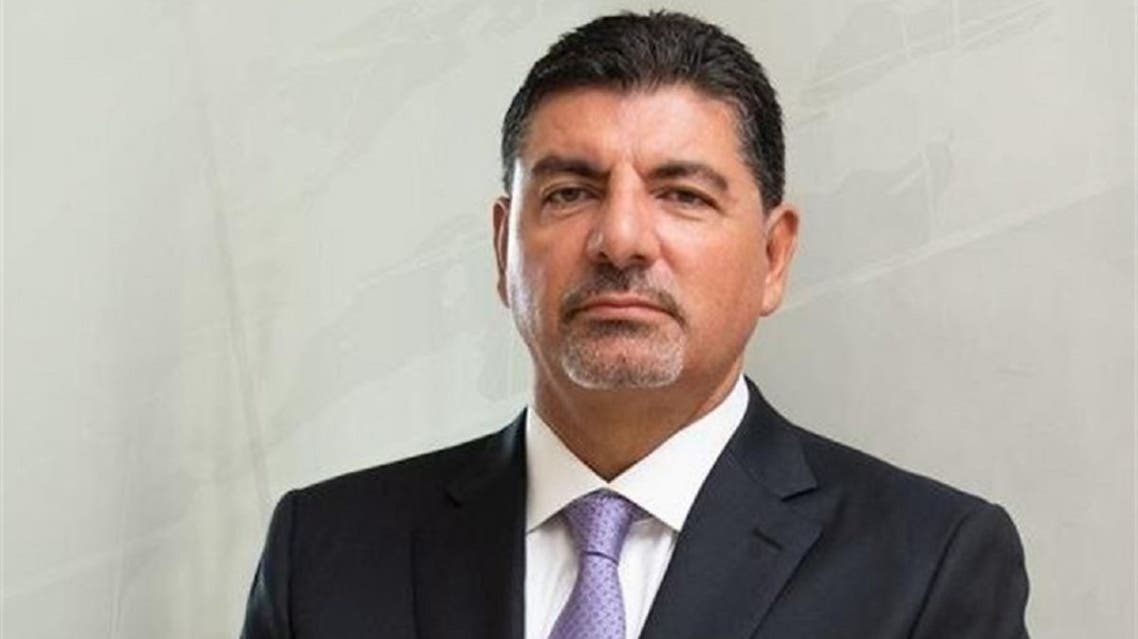
Lebanon’s Bahaa Rafik Al-Hariri says he will continue his father’s journey

by arabnews.com — BEIRUT: Lebanon’s Bahaa Al-Hariri said on Friday that he would continue the journey of his father, the late Prime Minister Rafik Al-Hariri, and would “enter the battle to take back” the country. Bahaa’s younger brother, Saad, a three times prime minister, announced earlier this week that he was not running in a forthcoming parliamentary election and was stepping back from his role in political life, calling on his political party to do the same. Bahaa, 55, who has not held public office before and largely kept away from politics, said in a recorded speech sent to news outlets, including Sawt Beirut, that he “will fight the battle to restore the country and restore the sovereignty of the country from its occupiers.” He added that “any misinformation or intimidation” alluding to a power vacuum among Lebanon’s Sunni Muslims “serves only the enemies of the country.”

Saad cited Iran’s influence as one of the reasons he saw little hope of positive change for Lebanon, an influence it wields through Shiite group Hezbollah. Bahaa has been an open, fierce critic of his brother’s policy toward the Iran-backed group. “The son of the martyr Rafik Hariri will not leave Lebanon, I am with you and very soon I will be among you,” Bahaa said in his speech.

Read more