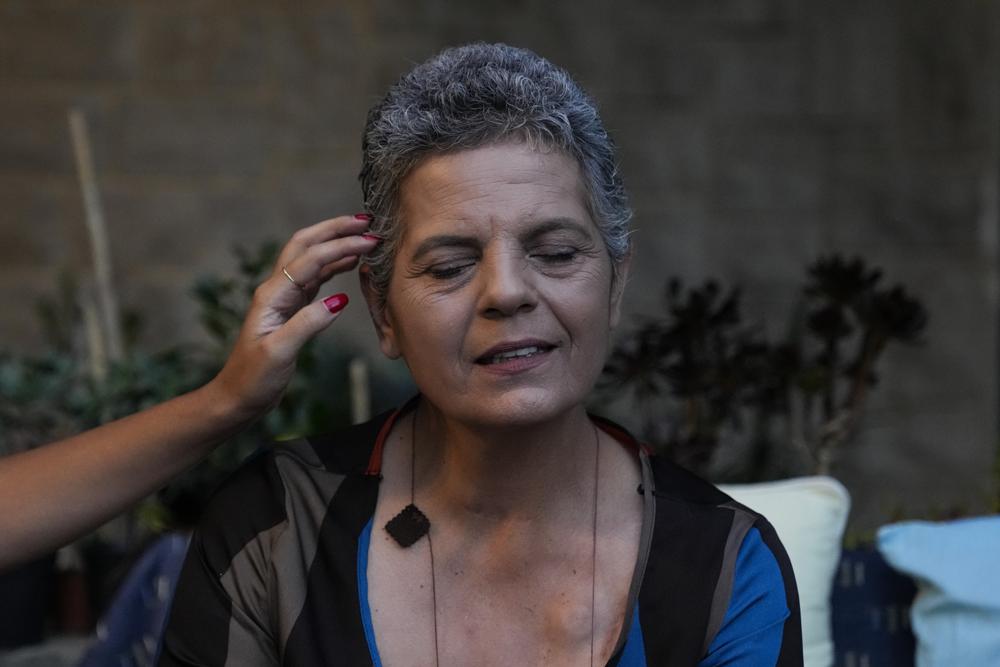
QLEIAT, Lebanon (AP) by By BASSEM MROUE and FAY ABUELGASIM — Saydi Mubarak and her mother share a bond that goes beyond a close mother-daughter relationship: They were both diagnosed with breast cancer a year ago and underwent months of chemotherapy at a Beirut hospital, together facing the anxiety, the hair loss and the uncertainty for the future. Now they share the fear of not being able to get the medication they need to complete their treatment because in Lebanon, where a devastating economic crisis has upended daily life, there are almost no drugs to be found. The small Mediterranean country — once a medical hub in the Middle East — is grappling with severe shortages in medical supplies, fuel and other necessities. The economic crisis, described as one of the world’s worst of the past 150 years, is rooted in decades of corruption and mismanagement by a political class that has accumulated debt and done little to encourage local industries, forcing the country to rely on imports for almost everything.
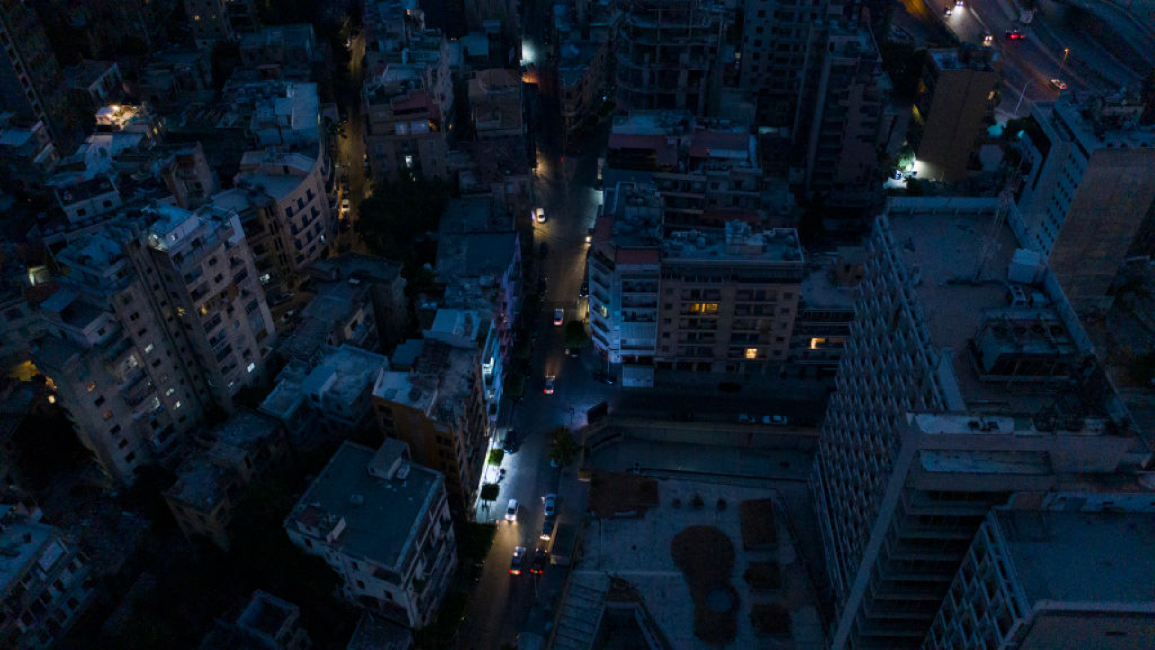
But those imports are hard to come by since the Lebanese pound has lost more than 90% of its value since 2019, and the Central Bank’s foreign reserves are drying up. The crisis was worsened by a massive explosion that destroyed the country’s main port last year. For months, pharmacy shelves have been bare, exacerbated by panic buying and suppliers holding back drugs, hoping to sell them later for higher prices amid the uncertainty. Hospitals are at a breaking point, barely able to secure diesel to keep generators and life-saving machines operating day to day. The drug shortages threaten tens of thousands of people, including cancer patients. In desperation, many have taken to social media or turned to travelers coming from abroad. Visitors and Lebanese expats these days often arrive with suitcases full of pills, vials and other medical supplies for relatives and friends.