كما الاحتكار والتهريب هما، وبأي أسلوب كان، مخالفان للقوانين فكذلك أيضًا هو استيراد النفط والحاجات والمواد الاخرى بطرق غير شرعية وعلى الدولة اللبنانية والادارات المعنية التصرف وفقاً لما تمليه هذه القوانين حفاظاً على الشرعية والمصلحة اللبنانية

سجعان قزي
@AzziSejean
في مثلِ هذا اليومِ، 19 آب 1934، حَصل أدولف هتلر على نِسبةِ 88% من أصواتِ الناخبين وأعلنَ نفسَه فْيُورِر (Führer) الشعبِ الألمانيّ. النسبةُ المرتفعةُ غيرُ ديمقراطيّة؛ فكلّما ارتفعَت النِسَبُ اتّضَحَ أنَّ الشعبَ ضحيّةُ غَسْلِ دماغٍ شعبويٍّ وديماغوجيٍّ يَسوقُه إلى الخِـيارِ الجماهيريِّ الأعمى بَدلَ الخِـيارِ الفرديِّ الواعي. مآسي الشعوب تُولَدُ عمومًا من نشوةِ جماهيرِها.
قليلون قادةُ الأممِ الّذين اكتَسَحوا عواطفَ الشعبِ ولم يَكتسِحْهُم الغرور. وإذِ العظماءُ يُغطُّون غرورَهم بالإنجازاتِ العظيمةِ والمنطقِ الإيجابيّ، أصحابُ العقولِ الوسيطةِ يَستوطِنُهم الغرورُ، في أيِّ عمرٍ، فيَفيضُون غطرَسة. والغطْرسةُ تُفرِزُ شعورًا وهميًّا بالاكتفاءِ الذاتيِّ المعرِفيِّ يَجعل الزعيمَ والقائدَ والرئيسَ يَرفضُون الفكرَ والرأيَ والنصيحةَ. ورفْضُ هؤلاءِ يقودُ إلى الاستبدادِ والفشَل. وكلّما تَفاقمَ الفشلُ تَحوّلَ كوارثَ. والكوارثُ، بعضُها يــَجـُـرُّ البعضَ الآخر… نحن في قلبِ الكوارث.
لم يَصِل أحدٌ في لبنان إلى نِسبةِ 88% لا في انتخاباتٍ ولا في استطلاعاتِ رأيٍّ. ورغمَ ذلك أصاب البعضَ “الشعورُ الوهميُّ بالاكتفاءِ الذاتيِّ المعرِفيِّ”، فراحوا يَتصرّفُون على وقعِ الغرورِ المتوتِّرِ والمزاجِيِّ حتّى أصبحَت الأزمةُ اللبنانيّةُ رهينةَ الغرورِ بقدْرِ ما هي رهنُ صراعاتِ الشرق الأوسط. لا مشكلةَ حين الغرورُ يَقتل صاحبَه، المشكلةُ حين المغرورون يَقتلون شعوبَهم. لذلك، واجبُ الشعبِ أن يَستبِقَ الحكّامَ ويَقبِضَ على السلطة.
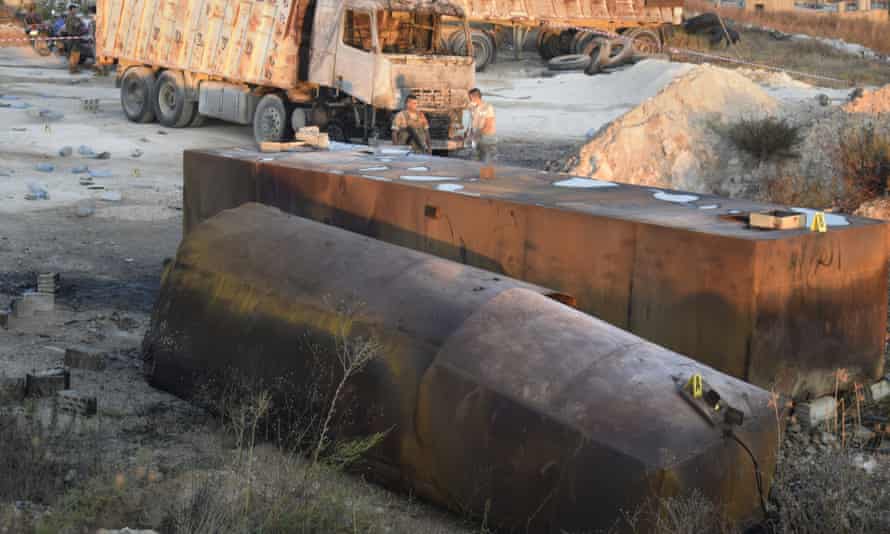
by asumetech.com — In Lebanon, fears of “time bombs” represented by petrol and diesel fuel stored in or near residential buildings are growing, days after the disaster of the explosion of a fuel tank in the village of Al-Talil in the Akkar region, which left more than 100 casualties including dead and wounded, the dead will be buried today. Lebanon has been suffering from severe fuel shortages for months, which has prompted many citizens to store gasoline or diesel in their homes or rooms and warehouses under their homes. in plastic containers e in unsafe conditions, while black market traders have been active on a higher level by stockpiling large quantities of these materials in various locations in all of Lebanon, and sometimes in populated areas, hoping to sell them at prices much higher than the official price for these subsidized materials.
After three days of intense raids, the army announced on Tuesday that it had seized more than 4 million liters of gasoline and 2.2 million liters of mazout and forced them to sell most of them on the market, after being discovered inside. of concrete, iron or plastic drums, showing the extent of the danger that threatens civilians. Atef Mansour, mayor of Burj al-Barajneh and al-Raml al-Aali, a suburb of Beirut, launched an appeal Tuesday on behalf of the population of the area, “to the security forces to speed up the emptying of the enormous quantities of fuel stored under the their homes … to avoid a repeat of the disaster of Tallil “in Akkar. “The neighborhood sleeps on the crater of a volcano, they saved it,” he added. The specialized journalist in environmental issues, Mustafa Raad, said: “Storing gasoline and diesel in homes is equivalent to hiding a time bomb among the homes of safe people, as these homes are not equipped against fire, and the rapid interaction of these materials with oxygen , which increases the rate of fire spread throughout the house and residential floors.
١٥ سنة مرت على بدء عملية انتشار الجيش في الجنوب التي انطلقت صباح ١٧ آب ٢٠٠٦ بعد غياب قسري عن دوره الطبيعي في حماية الحدود والسيادة لمدة تفوق العقدين من الزمن. وحتى لا يعيد التاريخ نفسه وتفقد المؤسسة العسكرية هذا الدور الوطني مجدداً، يجب اقرار الاستراتيجية الدفاعية بهدف حصر امتلاك السلاح وعناصر القوة العسكرية بيد […]

By Noemi Jabois Beirut, (EFE).- The recent worsening of the fuel crisis in Lebanon has the country’s hospitals on the ropes, given that they need fuel to supply electricity and are also facing a significant lack of medicines, medical supplies and liquidity that is threatening to cost many lives. Since Lebanon’s Central Bank announced last week the end of fuel subsidies, the already acute shortage has resulted in almost no available diesel fuel to operate electric generators at a time when public electricity service is all but non-existent. After a fuel storage facility blew up on Aug. 15 in the southern district of Akkar killing almost 30 people and injuring 79, the Lebanese Geitaoui-UMC Hospital in Beirut has received 15 of those patients, two of whom have been released and one who was transferred to Turkey by plane.
Naji J. Abi Rached, the medical director of the hospital, told EFE that among the 12 people who remain hospitalized after the blast are patients with burns on 80-100 percent of their bodies and for whom there is a “very high risk that they will not survive.” With its Burn Unit considered to be a “regional reference point,” the private hospital is fighting to deliver “costly” and “high-intensity” treatment that the patients need. Abi Rached estimated that the patients will undergo at least two months of “critical care” with “surgeries, daily monitoring, antibiotics, infusions, hydration, morphine and intubation” as part of their treatment. “The estimated cost per patient is $800 per day and the estimate of what the state will cover is about 1 million Lebanese pounds, which is only one-fifteenth the cost,” the cardiologist said, this in a country where $1 is equivalent to 20,000 pounds on the black market while the official exchange rate stands at 1,500 pounds per dollar.
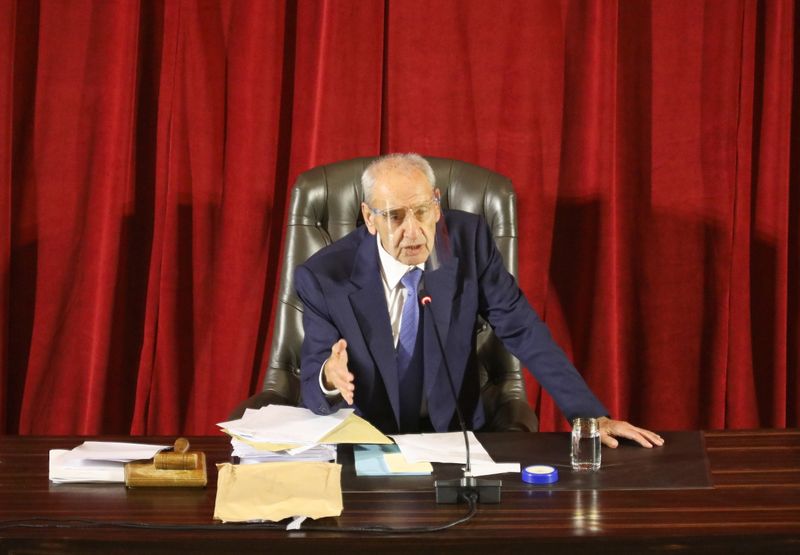
BEIRUT (Reuters) -The Lebanese parliament will convene on Friday to discuss what to do about a fuel crisis that has brought much of the country to a halt and sparked deadly violence. Speaker Nabih Berri called the session to discuss “appropriate action” over crippling fuel shortages, a crunch point in a two-year financial meltdown that marks Lebanon’s worst crisis since the 1975-90 civil war. A rocket-propelled grenade was fired near a Beirut petrol station during a dispute over gasoline, a security source said. Gunmen opened fire on soldiers who had detained a man who tried to fill his car by force. The station caught fire. The steadily worsening fuel crisis has hit a low in the last week, with power blackouts forcing some hospitals, bakeries, and businesses to scale down or close.
A senior U.N. official said water supplies and essential health services were threatened, warning of a humanitarian catastrophe. “A bad situation only stands to get worse unless an instant solution is found,” said Najat Rochdi, the U.N. humanitarian coordinator for Lebanon. Last week, the central bank announced it could no longer finance imports of gasoline and diesel at heavily discounted exchange rates, effectively ending a subsidy scheme which promises to increase prices sharply. Governor Riad Salameh has been at odds with the government over the move, as the government says it should have been done only after the provision of prepaid cash cards for the poor.
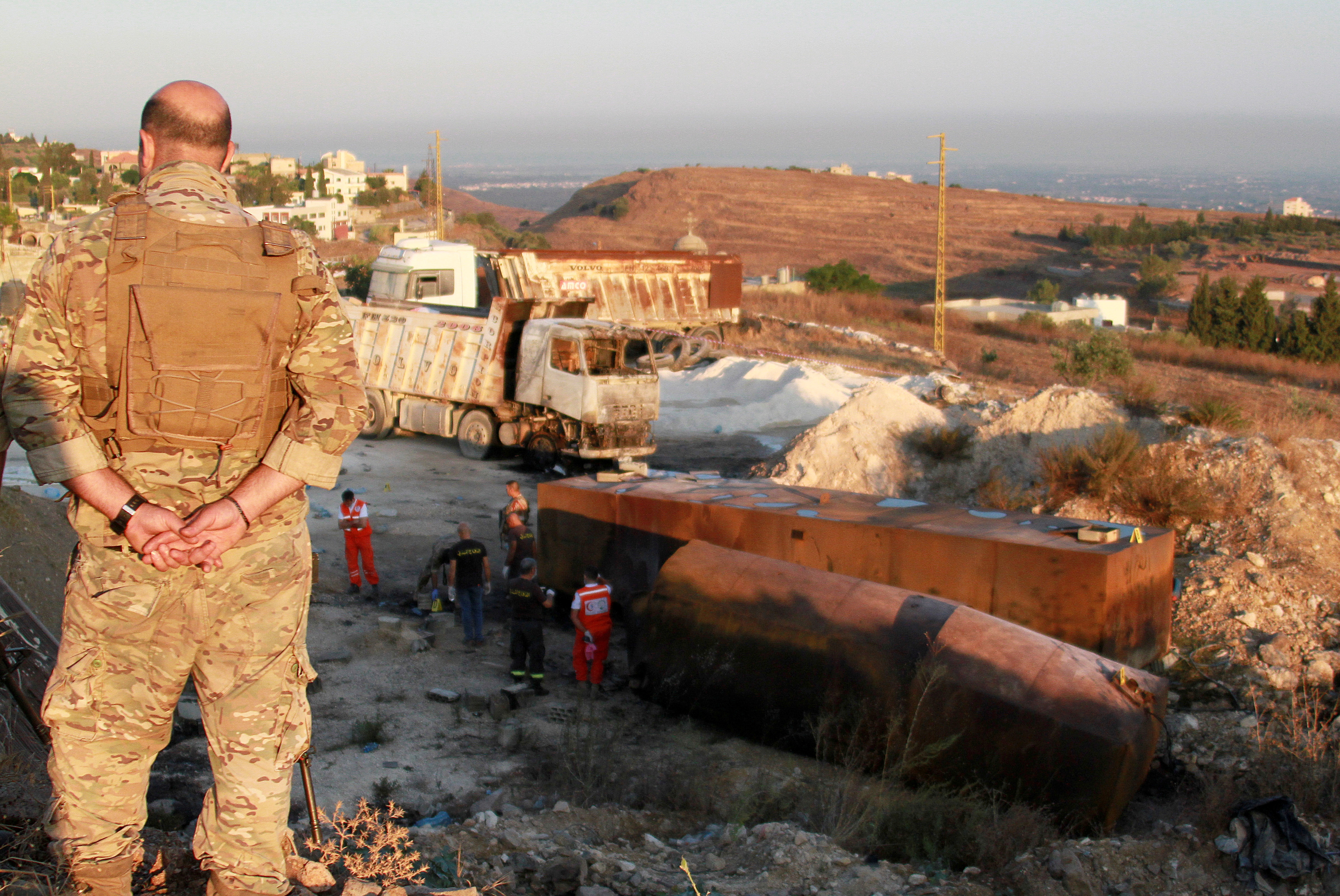
BEIRUT, (Reuters) – By Tom Perry & Nafisa Eltahir — – President Michel Aoun said he hoped a new Lebanese government would be formed within the next couple days, as efforts to agree one were spurred on by a fuel crisis that has brought much of the country to a standstill and sparked warnings of anarchy. The steadily worsening fuel crisis has marked a crunch point in Lebanon’s two-year-long financial meltdown, with shortages of imported fuel forcing hospitals, bakeries and businesses to scale back or shut down in the last week or so. read more At least 28 people were killed over the weekend when a fuel tanker exploded as people desperate for gasoline scrambled to get a share. read more After meeting Aoun, Prime Minister-designate Najib Mikati said it was still possible for a government to be formed in the next two days. The issues were being tackled one-by-one, he said, though he did not know how the last would be resolved.
Ahead of his meeting with Mikati, Aoun indicated a deal was close, saying “we are about to form a government”, specifying later it would be “within a couple days, God willing”. A senior political source told Reuters the government talks were evolving positively although some issues remained to be tackled, mainly the names of ministers. Explaining the impetus, the source added: “The whole situation is deteriorating, the whole system is collapsing.” Sayyed Hassan Nasrallah, the leader of the heavily armed, Iran-backed Shi’ite group Hezbollah, on Sunday urged the government to be formed in two or three days, saying this was the only way to prevent anarchy which had already begun. He also said Hezbollah would begin bringing diesel and gasoline from Iran with delivery dates to be announced soon.
ان جهنم التليل بالاضافة الى حوادث هذا الشهر الخطيرة، من خلدة الى تبادل الرسائل النارية مع العدو الى تعريض المواطن للاذلال، تكفي لتشكيل الحكومة غداً، اذا كان الامعان في الاساءة الى عدالة ٤ آب بحجة الحصانات والى البطريرك لانه طالب بسيادة الدولة لم تف على نحو واف بالغرض الى اليوم
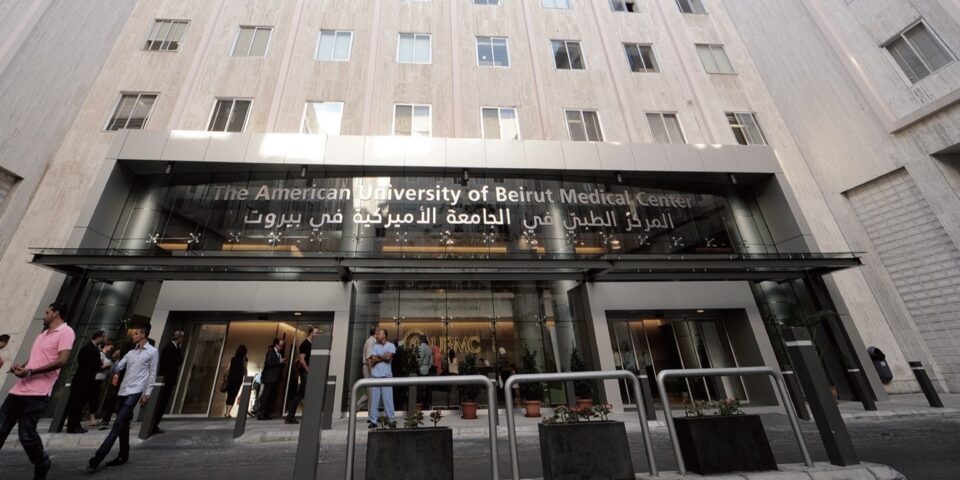
by reuters — ‘Nobody’s running the country’ said Lebanon’s central bank governor Riad Salameh complained on Saturday decrying the chaos and violence that are spreading right across the nation. At the American University of Beirut Medical Center, lack of electrical power risks putting 40 patients, including fifteen children, to death. The hospital is threatened with a forced shutdown as early as Monday because of shortages of fuel used to generate electricity. “This means that ventilators and other lifesaving medical devices will cease to operate. Forty adult patients and fifteen children living on respirators will die immediately,” the hospital said. The lack of fuel is due to the inability of the central bank to continue to subsidise fuel imports.
In an interview broadcast on Saturday, Riad Salameh said the government could resolve the problem quickly by passing necessary legislation. He denied he had acted alone in declaring an end to the subsidies on Wednesday, and said it was widely known that the decision was coming. The worsening fuel crisis is part of Lebanon’s wider financial meltdown. Hospitals, bakeries and many businesses are scaling back operations or shutting down as fuel runs dry. Deadly violence has flared in fuel lines, protesters have blocked roads, and fuel tankers have been hijacked this week. The American University of Beirut Medical Center said it was threatened with a forced shutdown as early as Monday because of shortages of fuel used to generate electricity. “This means that ventilators and other lifesaving medical devices will cease to operate. Forty adult patients and fifteen children living on respirators will die immediately,” the hospital said.

A man with severe burn injuries sustained in the fuel tank explosion is carried on a stretcher from a helicopter after being transported for treatment at the severe burns unit of the Geitaoui hospital in Beirut yesterday. (AFP)
by reuters — At least 28 people were killed and 79 injured when a fuel tank exploded in northern Lebanon early yesterday, the health ministry said. Military and security sources said that the army had seized a fuel storage tank hidden by black marketeers and was handing out gasoline to residents when the explosion occurred. Lebanon is suffering from a severe fuel shortage, leading to long lines at gas stations and extended blackouts. Accounts varied as to what caused the explosion, from gunfire that hit a tank of gasoline to reports that it was caused by a person who ignited a lighter.
Protesters, already angry at the economic crisis in the country, put the blame squarely on Lebanon’s politicians as they demonstrated outside the prime minister’s residency and hurled rocks at the building. “Akkar was put on fire by its deputies in parliament,” protesters sprayed on the building, referring to one of Lebanon’s poorest areas, where the explosion occurred. Abdelrahman, whose face and body was covered in gauze as he laid in Tripoli’s al-Salam hospital, was one of those in line to get gasoline. “There were hundreds gathered there, right next to the tank, and God only knows what happened to them,” he said. Witnesses said about 200 people were nearby at the time of the explosion. Army and security forces personnel were among the casualties, sources said.

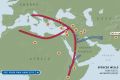
Population Movements to Keserwan - The Khazens and The Maans
ما جاء عن الثورة في المقاطعة الكسروانية
ثورة أهالي كسروان على المشايخ الخوازنة وأسبابها
Origins of the "Prince of Maronite" Title
Growing diversity: the Khazin sheiks and the clergy in the first decades of the 18th century
Historical Members:
Barbar Beik El Khazen [English]
Patriach Toubia Kaiss El Khazen(Biography & Life Part1 Part2) (Arabic)
Patriach Youssef Dargham El Khazen (Cont'd)
Cheikh Bishara Jafal El Khazen
Patriarch Youssef Raji El Khazen
The Martyrs Cheikh Philippe & Cheikh Farid El Khazen
Cheikh Nawfal El Khazen (Consul De France)
Cheikh Hossun El Khazen (Consul De France)
Cheikh Abou-Nawfal El Khazen (Consul De France)
Cheikh Francis Abee Nader & his son Yousef
Cheikh Abou-Kanso El Khazen (Consul De France)
Cheikh Abou Nader El Khazen
Cheikh Chafic El Khazen
Cheikh Keserwan El Khazen
Cheikh Serhal El Khazen [English]
Cheikh Rafiq El Khazen [English]
Cheikh Hanna El Khazen
Cheikha Arzi El Khazen
Marie El Khazen