Khazen

The truth about the Syrian funds in Lebanese Banks

 The truth about the Syrian funds in Lebanon does not total more than 6 Billion Dollars

 And this money was placed in Lebanese banks because they did not have other option 

There were many sanctions from the international community not to move out the money from Syria

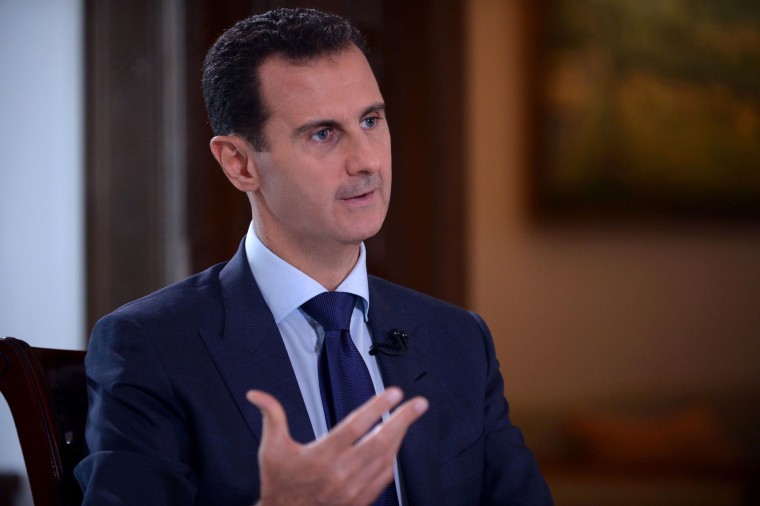
Bashar Al-Assad Says U.S. Is 'Not Serious' About Defeating ISIS 

.. ومصادر مصرفية لبنانية تردّ عليه by annahar.com —
ليست المرة الأولى التي يتحدث فيها الرئيس السوري بشار الأسد عن أن في المصارف اللبنانية ما يراوح بين 40 إلى 60 مليار دولار ودائع للسوريين محتجزة في هذه المصارف ولذلك لا يتمكن الاقتصاد السوري من النهوض. ولا يتحدث الرئيس السوري عن ان تلك الاموال هرّبها اصحابها من المصارف السورية وليسوا في صدد اعادتها ولو تم تحريرها  حاليا من لبنان، بل سيجهدون لتحويلها الى دولة ثالثة.  
مصادر مصرفية لبنانية استغربت عبر وكالة “أخبار اليوم” هذا الكلام وقالت إن سبب عدم نهوض الاقتصاد السوري هو الحرب التي شهدتها البلاد منذ العام 2011، والعقوبات المفروضة على سوريا ونظامها ومؤسساته، إضافة إلى أن عملية إعادة الإعمار لم تبدأ بعد وليس من دولة واحدة حليفة للنظام السوري بدأت عملها في هذا الإطار، وشددت هذه المصادر على أن كلام الأسد يأتي في إطار الذرائع التي يريد من خلالها تبرير ركود الاقتصاد السوري وتراجعه، متجاهلا المشاكل الداخلية التي يعانيها النظام هناك.

Read more
Maronite Bishops Explain Lebanon’s ‘Message’ of Religious Freedom and the Struggles of Lebanese Christians

Above, Bishop Gregory John Mansour of the U.S. Maronite Catholic Church celebrates Mass in Rome, May 17, 2012. He and his fellow bishops are calling for aid to Lebanon and support of religious freedom there.

by ncregister.com — WASHINGTON — Bishop Gregory John Mansour of the Eparchy of St. Maron in Brooklyn, New York, and Bishop Abdallah Elias Zaidan of the Eparchy of Our Lady of Lebanon of Los Angeles spoke with the Register at the 2021 International Religious Freedom Summit in Washington, D.C., on Wednesday. They shared how the beleaguered nation of Lebanon is a “religious haven” for so many faiths, including Christians, and detailed some of the threats and challenges to that coexistence. Bishop Mansour went to Lebanon earlier this month for the synod of bishops’ meeting with the head of the Maronite Church, Patriarch Cardinal Béchara Boutrous Rai.

Bishop Mansour called Lebanon “unique” because “it was formed, on purpose, to be a religious haven for Christians and Muslims.” He summarized the history of its formation, which was “at the initiative of the Maronite patriarch, Patriarch Elias Hoayek,” who in 1919 “went on a boat from Lebanon to Versailles, France, to meet with the Allied forces after they had defeated the Ottoman Empire so that a Lebanon carved out of the Middle East could include Christians and Muslims alike and the boundaries even were purposefully designed so that Sunni, Shiite and Christians could live in conviviality.” “By God’s grace, he got his way, and Lebanon was formed in a national pact between the religious communities, which is at the very heart of it. It was a pact between the religious communities, 18 different communities in Lebanon,” he said. Drawing on the history of its formation, Bishop Mansour said that he and Bishop Zaidan were at the religious-freedom summit in order to “promote and to advocate for a Lebanon that continues to be, as Pope John Paul II said, ‘more than a country, a message.’”

Current Challenges

Bishop Zaidan told the Register that, today, Lebanese Christians are facing challenges to that message, including “fear of that abuse of power outside the government from militia, specifically Hezbollah, that could undermine the existence of the country as an independent country, which means this would undermine democracy.” “That’s why the Church always stands for the government to be a strong, unified government for everybody,” he said. “Lebanon is a country for all, not just the Christians, not just one Muslim [group]; it’s for everybody to have and enjoy religious freedom — freedom at all sides, not freedom from religion, freedom of religion. And we want peace.” He continued, “That’s why our Patriarch Cardinal Rai has been a great advocate for neutrality of Lebanon, so that Lebanon can continue its mission; and we ask all the countries of the world to support that effort and to come together and support Lebanon.”
Read more
Syria’s Assad says funds frozen in Lebanese banks biggest impediment to investment

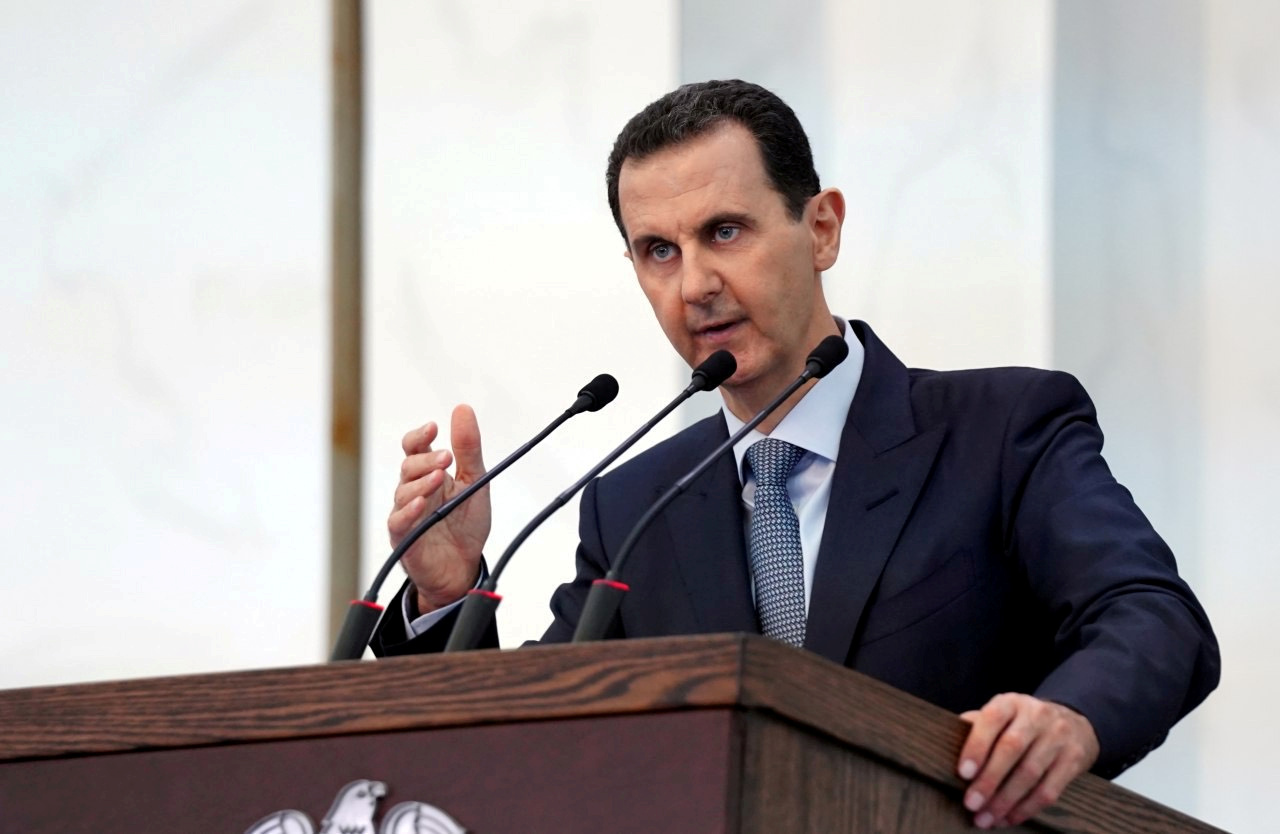
Syria's President Bashar al-Assad addresses the new members of parliament in Damascus, Syria in this handout released by SANA on August 12, 2020. SANA/Handout via REUTERS

BEIRUT (Reuters) – Syrian President Bashar al-Assad said on Saturday the main impediment to investment in the country was money stuck in ailing Lebanese banks. In a speech after being sworn in as president for a fourth term, Assad said estimates suggested the frozen funds were worth between $40 billion and $60 billion. “Both figures are enough to depress an economy like ours,” he said. Lebanon is in the throes of a deep economic meltdown that is threatening its stability. Lebanese banks have locked depositors out of their accounts and blocked transfers abroad since the start of the country’s crisis in late 2019. Many Syrian front companies had long circumvented Western sanctions by using Lebanon’s banking system to pay for goods which were then imported into Syria by land.

Assad also said Syria would continue working to overcome difficulties caused by the Western sanctions imposed over its decade-long war. “Sanctions haven’t prevented us from securing our basic needs but they have created some choke points,” he said. “We will continue to work to overcome them without announcing what methods we used before to do that or what we will use in the future.” Syrian authorities blame Western sanctions for widespread hardship, including soaring prices and people struggling to afford food and basic supplies. Assad secured a fourth term in office in a May election, winning more than 95% of the votes.

Read more
France to host Lebanon aid conference as political crisis deepens

PATRICK BAZ/AFP via Getty Images

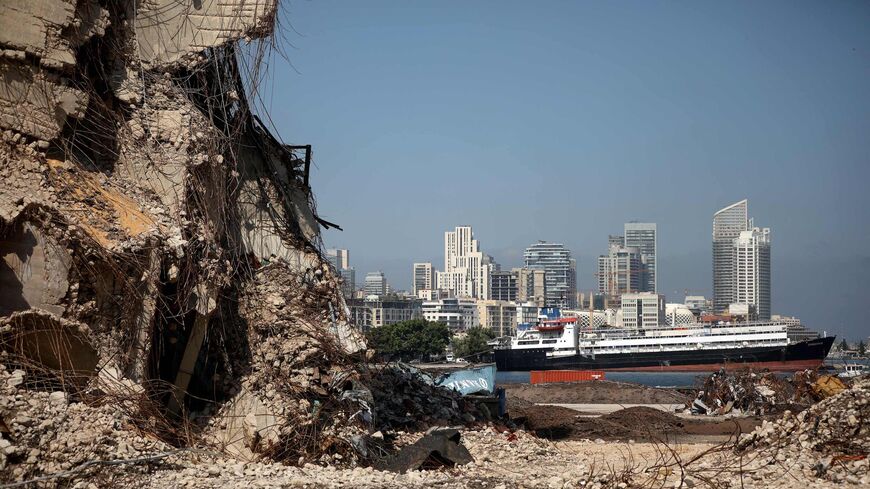
by al-monitor.com — France will organize an international fundraiser for Lebanon next month, timed to coincide with the first anniversary of the deadly explosion that tore through Beirut. The UN-supported conference on Aug. 4 will be hosted by French President Emmanuel Macron and will aim to “respond to the needs of the Lebanese whose situation is deteriorating every day,” France’s Foreign Ministry said in a statement. The French announcement comes a day after Lebanese Prime Minister-designate Saad Hariri resigned after failing to form a government amid the partisan gridlock. Hariri said he withdrew his nomination after he and President Michel Aoun were unable to agree on a proposed cabinet lineup. Hariri’s predecessor, current caretaker Prime Minister Hassan Diab, quit amid ongoing protests demanding accountability for the Aug. 4 explosion in Beirut, which officials blame on a stockpile of highly explosive ammonium nitrate stored improperly at Lebanon’s most vital port. The blast, which killed more than 200 people, injured thousands more and gutted much of the capital, added to the country’s economic woes.

Read more
Dozens injured in Lebanon as protests turn violent amid rising tensions

General Joseph Aoun was speaking while inspecting the army units deployed in the Bekaa Valley. (AFP/File Photo)

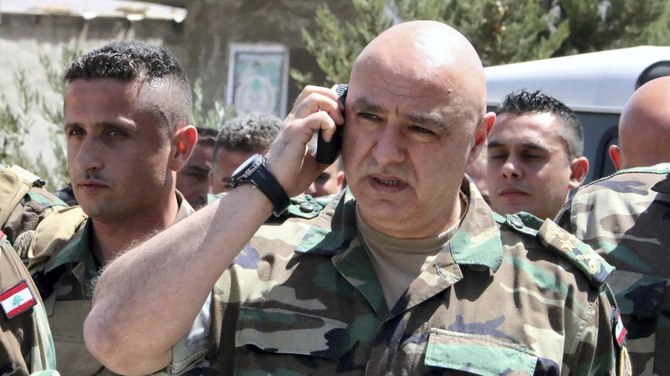
By Najia Houssari — arabnews.com — BEIRUT: Riots left more than two dozen people injured in Tripoli on Friday, including 10 soldiers, as tensions continued to rise in Lebanon. “The situation seems to be getting worse, and things are about to escalate because we are facing a difficult political and social fate,” said Lebanese Armed Forces Commander Gen. Joseph Aoun as he inspected army units deployed to the Bekaa Valley. Meanwhile the international community continued to call for progress in the country’s stalled political process. France, the EU and the US have urged Lebanese politicians to form a new government as a matter of urgency, and an international conference is being planned to support the efforts. “All concerned parties need to work with urgency to put in place a government that’s able to implement reforms immediately,” US Secretary of State Antony Blinken said on Thursday night in a message posted on Twitter.

The Arab League said its secretary-general, Ahmed Aboul Gheit, and his UN counterpart, Antonio Guterres, had agreed during a meeting in New York that the situation in Lebanon is going from “bad to worse.” The former said he hoped that “the international community will succeed in helping the Lebanese overcome the crisis.” As he inspected his forces on Friday, Aoun told them: “Our responsibility is great at this stage. We are required to preserve the security and stability of the homeland and prevent chaos.”

BACKGROUND The Arab League said its secretary-general, Ahmed Aboul Gheit, and his UN counterpart, Antonio Guterres, had agreed during a meeting in New York that the situation in Lebanon is going from “bad to worse.” He said he considers the military to be “the only institution that is still active,” and added: “The army is the deterrent to chaos. I know that you will not allow anyone to invade our land, and you will not allow these circumstances to make you lose your sense of belonging to your homeland, your identity and your land. “What we are experiencing today is a temporary crisis and it will pass.” Private companies and institutions allowed employees to leave work early on Friday so that they could get home before roads were blocked. Angry crowds took to the streets for a second consecutive day to protest against fuel shortages and the continuing steep rise in the dollar exchange rate on the black market. Demonstrations had broken out across the country on Thursday, immediately after Prime Minister-designate Saad Hariri announced his resignation after nine months of failed wrangling with President Michel Aoun over the formation of a new government.

Read more
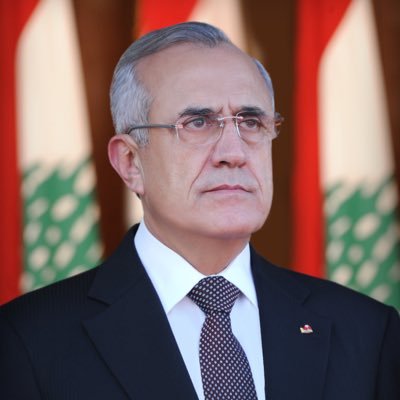
الرئيس ميشال سليمان: كنت أراهن أن الرئيس عون سوف “يحسمها “مع حزب الله (الجزء الأول)

Michel Sleiman (@SleimanMichel) | Twitter

by aljaridanews.com —

من الصعب التفتيش عن منزل رئيس الجمورية السابق العماد ميشال سليمان ليس لأنه منزل بحد ذاته بل لأنه يشكل شقة عادية يعيش فيها مع عقيلته السيدة وفاء في الطابق الثاني من مبنى حيث يترافق مع جيرانه ، أما الصعب على الفهم ذلك القصر الذي قيل أنه بناه أثناء ولايته … لا قصر ولا من يحزنون وفق المشاهدة مع فريق موقع “الجريدة نيوز” الذي أيضا كانت له ملاحظاته على الموضوع نفسه والاكاذيب التي حيكت : شقة عادية لها مدخل كباقي شقق السكن مع مصعد يؤدي ساكنيه كل الى منزله .

وبغض النظر عن “وظائف” الكذب التي إعتمدها البعض بحق الرجل الذي يستقبل زواره من سياسيين وشخصيات ووفود ويترأس لقاء الجمهورية في زاوية من المنزل ، وليس من الصعوبة بمكان إجراء موعد مع فخامة الرئيس الأسبق إنما يكفي الاتصال بمرافقه الذي لم يتركه منذ عشرات السنين ويحصل على ما يريد ، في داخل المنزل ثمة مفاجأة ثانية حيث الأثاث أقل من عادي وتتوزع كنبة كبيرة ومكتب ، وذهب عن بال فريق الموقع أنه كان وفق حشريته يريد مشاهدة الثريات الثمينة وكيف شكلها ، وهل هي ذهبية وبلورية … كل هذا لم يحصل ولم يكن .

Read more
Lebanon: US calls Hariri resignation ‘disappointing’


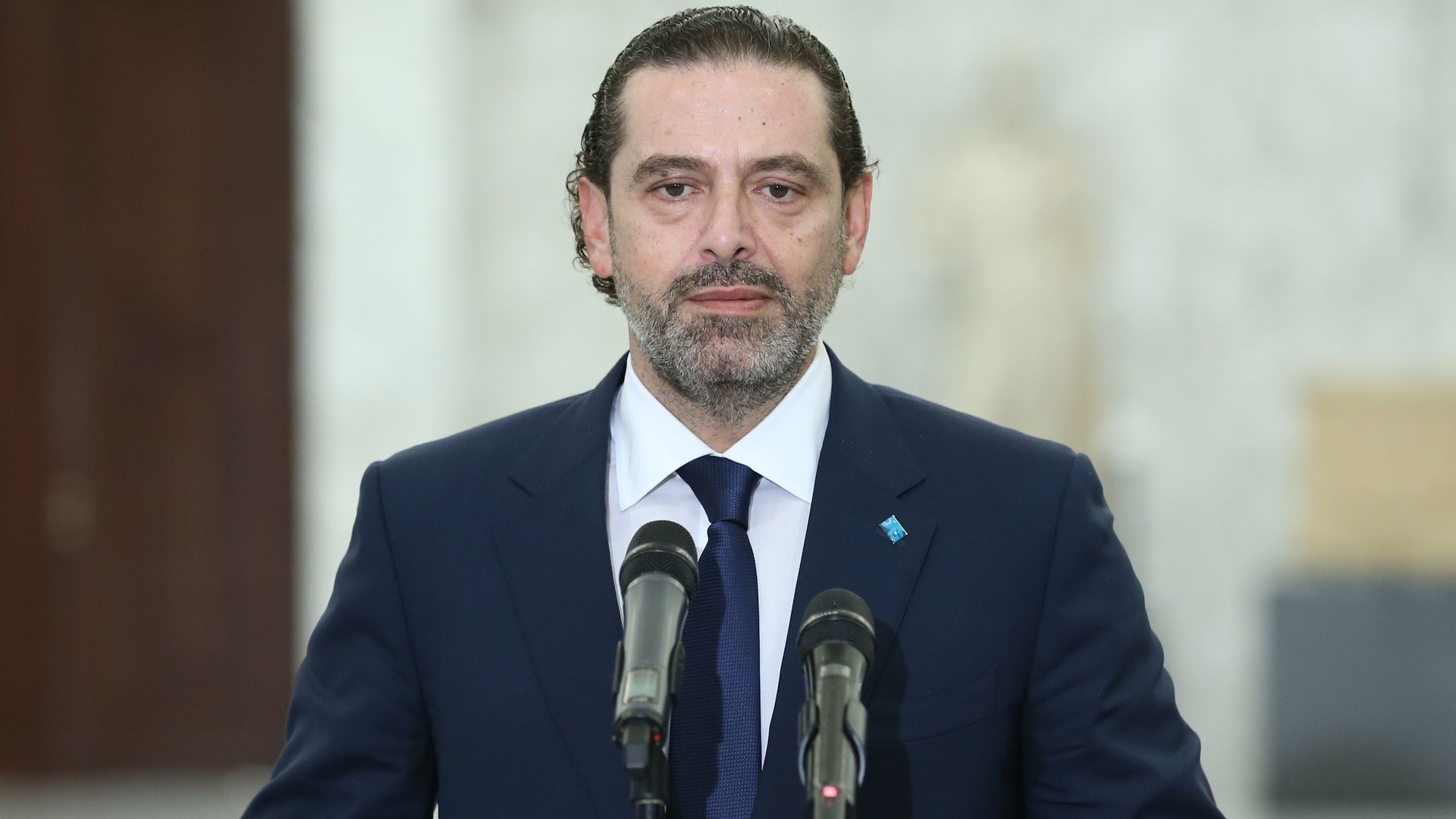
Saad Hariri

by naharnet — Resigned Prime Minister-designate Saad Hariri on Thursday blamed President Michel Aoun for the failure to form a new government, as he announced that he would not nominate a successor for the PM post. “I nominated myself to form a government according to the French initiative, which means a government of specialists, and today I apologized for not being able to form ‘Michel Aoun’s government,’” Hariri said in a live interview on al-Jadeed TV, only a few hours after he announced his resignation as PM-designate. “I resigned in 2019 because I wanted a government of specialists and had I formed ‘Michel Aoun’s government’ I would not have been able to rescue the country,” Hariri added. “There is camp that has decided to torture the country and take us to hell and all the obstacles that I faced were created by this camp,” the ex-PM went on to say, referring to Aoun and his party.

Noting that he quit the formation mission because Aoun “did not want to form a government,” Hariri added that “when the President decides the date of the consultations,” he would talk to his allies and “decide what to do.” Hitting out at Aoun, the ex-PM said: “Because Saad Hariri is Sunni and patriotic, he is prohibited from naming ministers and only President Aoun has the right to nominate!”

Read more
Lebanon’s army needs $100 million immediately for soldiers’ basic needs, general says

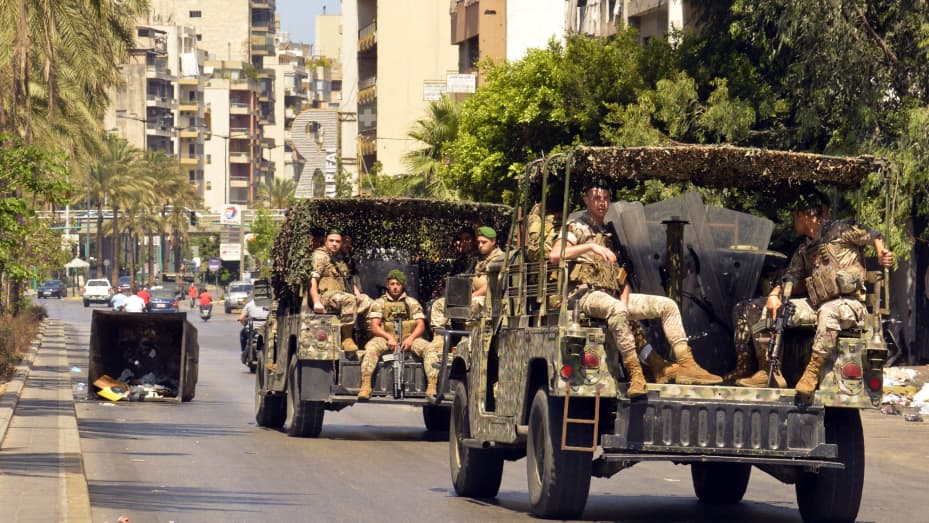
Soldiers patrol streets as protesters block roads during a protest demanding "recovery government."

By Emma Graham & Hadley Gamble — cnbc.com — Lebanon’s armed forces need an immediate $100 million to cover its soldiers’ basic needs, a general told CNBC, as a currency crisis pushes their salaries below the poverty line. His comments come as the country’s military tries to avoid collapse. “Without the morale and the motivation of our soldiers, it’s going to impact negatively the mission,” Brig. Gen. Youssef Haddad told CNBC. “If the army collapses, Lebanon will be lost.” He said that by September, the army will be in a “critical condition.” The Lebanese Armed Forces (LAF) pay the equivalent of $84 dollars per month to enlisted soldiers based on the exchange rate of 15,500 Lebanese pounds per U.S. dollar. With the currency now approaching 20,000 LBP to the dollar on the black market, that salary now places the average soldier below the poverty line. Haddad said each soldier needs “an additional bonus to help him cover his basic needs on a monthly basis for 12 months” — which should total around $90 million to $100 million, he said.

Read more
President Michel Sleiman: لانه يتعذر علينا ان نتوافق نعتذر

نعتذر من الشهداء نعتذر  من المرضى والفقراء المعدمين نعتذر من البطريرك الحويك نعتذر من رجال الاستقلال نعتذر من الحيش اللبناني من فرنسا من البابا يوحنا بولس الثاني وبنديكتوس وفرنسيس ومن القديسين … نعتذر من دول الخليج من اليونيفل والدول التي تشارك فيها ….من دول المجموعة الدولية. نعتذر لاننا لم نستطع ان نتوافق ونتفق على حكومة […]

Read more
متى نَبلُغُ لبنانَ الكبير؟

Lebanon amends daily minimum wage law, activists protest | Al Bawaba

سجعان قزي

وزير سابق

@AzziSejean


لا نستطيعُ أن نكونَ تَبعيّين ونُطالبَ العالمَ أن يتعاطى معنا على أنّنا مستقلّون. نَستَفْظِعُ تدخّلَ دولٍ أجنبيّةٍ في الأزْمةِ بقَصْدِ معالجتِها، ولا نَستَهْجِنُ تَدخُّلَ دولٍ أخرى في لبنانَ لإشعالِ الأزَمات. فلولا الدولُ التي اسْتباحَت لبنانَ ودَمَّرته، لما أباحَت الدولُ الأخرى لنفسِها معالجةَ شأنِنا بغيةَ إنقاذِنا. الأولى تدخّلَت رَغمًا عنّا والأُخرى بِناءً على إلحاحِنا. في لبنانَ مَن يَحمِلُ الفأسَ لقطعِ أيِّ يدٍ تَمتدُّ مساعِدةً، كأنَّ هدفَ هؤلاءِ قتلُ لبنانَ الكبير بما يُمثِّلُ من خصائصَ، وأنَّ مشروعَهم نقلُ لبنانَ من التعدُّديّةِ في الوِحدةِ إلى التعدُّديّةِ في الأحَدِيّة. إنَّ من يأتي بوصايةٍ من هنا، يجب أنْ يَنتظرَ وصايةً من هناك.

هذا تاريخُ لبنانَ مُذْ كان. فالشعوبُ تتحرّكُ عمومًا في دورةٍ تاريخيّةٍ تُكرِّرُ دورانَها بأشكالٍ مختلفةٍ. ولا تتوقّفُ هذه الدورةُ إلا حين يَنطلقُ الشعبُ في مسارٍ مستقبليٍّ جديدٍ يدوم رَدْحًا زمنيًّا ثابتًا وناجحًا يُمكِّنُه من خلقِ دورةٍ تاريخيّةٍ جديدة. نحن في لبنان، خَرجنا من دورتِنا التاريخيّةِ مدّةً غيرَ كافيةٍ (1943/1969) لخلقِ دورةٍ جديدةٍ، فالتَقطَتْنا الدورةُ السابقةُ وبَقِينا فيها. كأنَّ حتميّةَ التاريخِ أقوى من تقريرِ المصير.

Read more