احد مبارك طالما لم نتوصل الى تشخيص واحد ومنطقي لاسباب الانهيار فلن يمكننا معالجة الوضع الاقتصادي اطلاقاً ولو شكلت اعظم الحكومات ومن افضل الاختصاصيين او السياسيين المستقلين وغير المستقلين
Lebanon pharmacists’ strike causes panic as hospitals hit by medical supply shortage
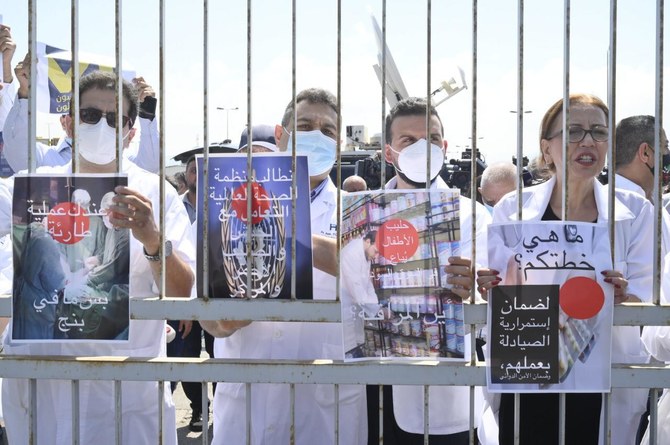
By Najia Houssari — arabnews.com — BEIRUT: Pharmacies in Lebanon shut their doors on Friday to protest severe supply shortages amid the country’s worst economic and financial crisis for decades. The two-day strike, called over a lack of medicine, gasoline and even infant formula, is the latest sign of Lebanon’s meltdown. Pharmacists, doctors, dentists, nurses and lab scientists took to the streets on Friday to voice their suffering, with people storming the Health Ministry’s interior courtyard and calling for rationalizing subsidies on medicine and a solution to the crisis in the healthcare sector. They urged the World Health Organization not to deal with authorities but instead deal with the Lebanese army and the Lebanese Red Cross. The strike has caused panic in hospitals, which are suffering from medical supply shortages. Fights have been reported between patients and medical staff, with some incidents filmed and posted on social media.
People have even been seen destroying the exterior of emergency departments, while doctors have clashed with patients who refused to postpone their surgeries due to the shortages. Dr. Hadi Mrad blasted the “ongoing corruption of the ruling class” that had violated people’s rights and remained “unpunished, supported and protected” by a corrupt system. “We have never seen something similar,” he told Arab News. “We cannot help our patients. We prescribe them medicine, but the pharmacies are empty. We ask them to run a blood test, but laboratories are not receiving patients due to the shortages in subsidized supplies. We want to admit them, but hospitals have run out of IVs. We get that there is no fuel or flour. But what did patients do to deserve this? What is currently happening is intentional and the authority is determined to kill its citizens.”
Lebanon’s Sunni leaders renew support for Hariri
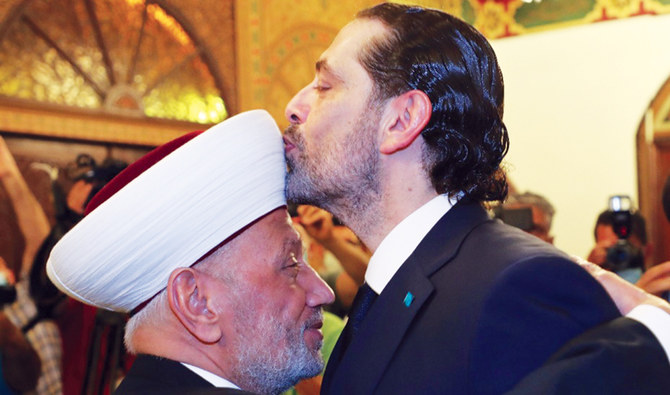
By NAJIA HOUSSARI — arabnews.com — BEIRUT: The Supreme Islamic Sharia Council, which represents the Sunni community and its leaders in Lebanon, has renewed its support for Saad Hariri, the prime minister-designate, amid an escalating dispute over the failure to form a government in the country. After a lengthy meeting on Saturday, in which Hariri participated, the council warned that “any quest for new definitions regarding the constitution or the Taif Agreement is not acceptable under any of the arguments.” It was earlier reported that Hariri might announce during the meeting that he was stepping down from the task of establishing a new government entrusted to him by parliament last October. The French initiative and the mediation of Parliament Speaker Nabih Berri so far have failed to help form a government because of an escalating dispute between Hariri and President Michel Aoun, together with his political team represented by his son-in-law Gebran Bassil, head of the Free Patriotic Movement.
The meeting, which was held in Dar Al-Fatwa and attended by former prime ministers, said that the blame for delaying the formation of the government lies with those “who are trying to invent ways and methods that nullify the content of the National Accord Document, which enjoys the consensus of Lebanese leaders who are keen on Lebanon’s independence, unity, sovereignty and pan-Arabism.” During the session, chaired by the grand mufti, Sheikh Abdul Latif Derian, Hariri discussed the obstacles to forming the government and steps he has taken to overcome them. Those present at the meeting expressed their fear that “the suffocating crisis facing Lebanon will deteriorate into an endless abyss amid the indifference and random confusion that characterizes the behavior and actions of leaders who control citizens.”
Lebanese military forces prepare for possible chaos
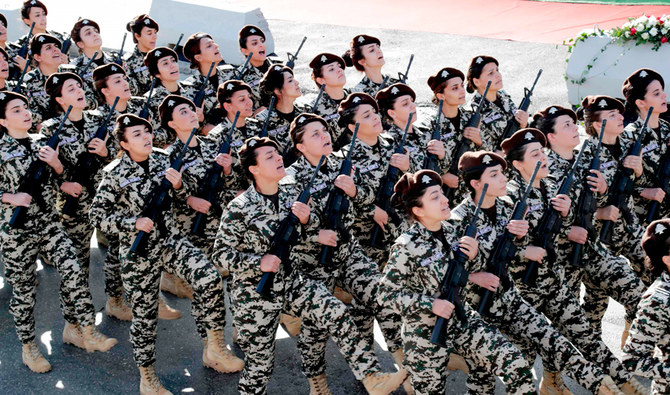
by arabnews.com — Najia Houssari — BEIRUT: France is organizing a virtual conference next Thursday “to mobilize support from the international community for the Lebanese army,” following an official visit to France from Lebanese Army Commander Gen. Joseph Aoun at the end of May. Aoun met with French President Emmanuel Macron and discussed “providing urgent food and medical aid to the security forces in the hope of maintaining law and order.” The US and Lebanon also held a conference at the end of May, with Washington renewing its commitment to the Lebanese Armed Forces (LAF) by increasing its its military aid by $15 million, reaching a total of $120 million in the fiscal year 2021. “We have a permanent military aid program with the US, but we do not need weapons right now. We need in-kind aid for the army,” a military source stressed. These developments take place as external warnings continue about the possibility of chaos prevailing in Lebanon, as the economic and social situation hits rock bottom.
Foreign observers fear that security forces may not be able to prevent unrest that may prove more violent than the protests of 2019 and 2020. Political bickering continues, and the caretaker government has refrained from performing any role that its head, Hassan Diab, considers to be in violation of the constitution. A military source told Arab News the political conflicts “affected the morale of the army and other security forces.” However, the source stressed theys had been successful in dealing with protest movements so far. The source added: “It is true that the army is suffering and understands what the people are feeling, but its priority is to protect civil peace and stability; harming civil peace is crossing a red line. “The military institution has no new plan to prevent chaos if it occurs, so it will exercise the role assigned to it.”
No more kidney dialysis? Lebanese hospitals issue warning

By ZEINA KARAM and FADI TAWIL — BEIRUT (AP) — Hospitals in Lebanon warned Thursday they may be forced to suspend kidney dialysis next week due to severe shortages in supplies, the latest in Lebanon’s accelerating crises and collapsing health sector. Lebanon is grappling with an unprecedented economic and financial crisis that has seen the local currency collapse and banks clamp down on withdrawals and money transfers. As the Central Bank’s foreign currency reserves dry up, the country has been witnessing shortages in medicines, fuel and other basic goods, with long lines forming outside petrol stations. The once-thriving health care system has been among the hardest hit, with some hospitals halting elective surgeries, laboratories running out of test kits and doctors warning in recent days that they may even run out of anesthesia for operations. On Thursday, doctors said they may be forced to suspend kidney dialysis next, blaming shortages on a dispute between medical importers and the Central Bank over subsidies. “It is a crime against humanity,” said George Ghanem, chief medical officer at the Lebanese American University Medical Center – Rizk Hospital, reading a statement on behalf of the doctors. “The hospitals and medical sector cannot continue this way. We are approaching very difficult days where we will no longer be able to receive patients,” he added.
Ghanem appeal to the United Nations and the World Health Organization, urging them to step in by sending aid directly to hospitals or the Red Cross, bypassing the Lebanese government and Central Bank. “Otherwise there are patients tomorrow who will not have their dialysis, patients who will not be diagnosed, and patients who will not be operated on,” he said. Already, there were 350 brands of basic medications that were in short supply, he added. The crisis in Lebanon, which is rooted in decades of corruption and mismanagement by an entrenched political class, has driven more than half of the population into poverty, caused the local currency to lose more than 85% of its value. The World Bank on Tuesday said Lebanon’s crisis is one of the worst the world has seen in the past 150 years. The crisis has worsened considerably because of politicians’ inability to agree on a new government amid colossal challenges the country faces. The Cabinet of outgoing Prime Minister Hassan Diab resigned days after a massive explosion at Beirut’s port last August, and the country has been without a fully functioning government since. Locked in a power struggle, Lebanon’s President Michel Aoun and prime minister-designate Saad Hariri continue to trade blame as the country sinks deeper into crises that every day become more intractable.
President Michel Sleiman: لقاء الجمهورية
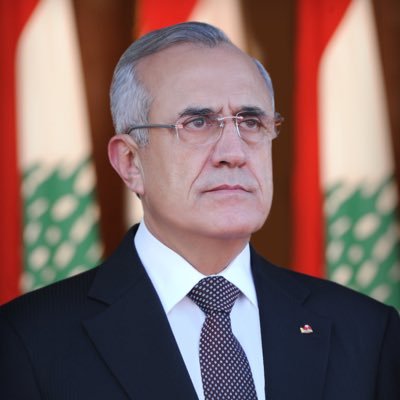
لقاء الجمهورية:
نبه “لقاء الجمهورية” في بيان بعد اجتماعه الدوري عبر تطبيق “زوم” من الافراط في الشعبوية على حساب المنطق، ما يضاعف الضرر وخيبات الأمل، مؤكداً ان الحلول موجودة دائماً لكن الارادة غير حاضرة، تنتظر مصلحة من هنا وحصة من هناك.
وسأل: ماذا يُمكن ان يفعل الوزير المسيحي الاضافي لانقاذ لبنان حتى يستفحل الخلاف على مرجعية تسميته، ويؤخر تشكيل الحكومة، على الرغم بتسليم الغالبية ان الحكومة بأكملها غير قادرة على تقديم الاصلاح المطلوب في غياب السيادة الناجزة وفي عدم اعتماد سياسة خارجية محايدة تسهر على ترميم علاقات لبنان بالمجتمعين العربي والدولي.
وتوجه “اللقاء” بالشكر للدول الداعمة للجيش وفي طليعتها الولايات المتحدة الأميركية وفرنسا، مؤكداً ان الدعم الأكبر للمؤسسة العسكرية التي تشكل العمود الفقري للدولة، يأتي من خلال العمل على حصر السلاح بيد الجيش.
France works on financial path for Lebanese public services
by thenationalnews.com — French President Emmanuel Macron said on Thursday he was working with international partners to create a financial path to ensure important public services can continue to operate in Lebanon, despite its deep political and economic crisis. Lebanon is struggling to find enough foreign currency to pay for fuel and other basic imports, […]
ظهورُ الشيوعيّةِ في لبنان
سجعان قزي
وزير سابق
@AzziSejean
مع تشريعِ قانونِ “الكابيتال كونترول”، يولدُ في لبنان أوّلُ حالةٍ شيوعيّةٍ جديدةٍ بعد سقوطِ الشيوعيّةِ العالميّةِ سنةَ 1991. مَذمَّةٌ أن يُصبحَ لبنان أوّلَ نظامٍ شيوعيٍّ في القرنِ الحادي والعشرين، وقد كان لبنانُ أوّلَ نظامٍ ليبراليٍّ في العالمِ العربيِّ في بدايةِ القرنِ العشرين. سَمِعوا الكلمةَ واتَّجَهوا بنا شرقًا شرقًا أكثرَ مِـمّا أرْشَدَ إليه أمينُ عامّ حزبِ الله. نعيش على الأيّامِ والمآسي. نُختارُ ولا نَختار. تَدَجَّنَّا على السَجِيّة. البعضُ أصبح لبنانيًّا من دون أن يريد. والبعضُ بات عروبيًّا من دون أن يؤمن. والبعضُ أمسى فارسيًّا من دون أن يدري. وجميعُنا صِرنا شيوعيّين ولم نُرِدْ، ولم ننَتفِضْ. يا عارَ الأجيال.
وأيُّ شيوعيّة؟! غايةُ الشيوعيّةِ في مفهوم كارك ماركس هي سعادةُ الإنسان. أما في “الواقعِ الشيوعيِّ” اللبنانيِّ فهي شقاوةُ الإنسان. قد لا تكونُ هيكليّةُ النظامِ اللبنانيِّ شيوعيّةً، لكنَّ نظامَ عَيشِ اللبنانيّين هو نظامُ الشعوبِ في الدولِ الشيوعيّة السابقة. تقنينُ الماءِ والكهرباء، حِصَصٌ غذائيّةٌ، اختفاءُ الأدويةِ، نَزْرٌ في المحروقات، نقضٌ في الموادِّ الحياتيّةِ، اختلالُ نظامِ العرضِ والطلب، انتعاشُ السوقِ السوداءِ والتهريب، فِقدانُ العُملاتِ الأجنبيّة، غيابُ الرقابةِ باستثناء الرقابةِ البوليسيّة. كسادٌ وفسادٌ واستبداد، إلخ…

Lebanon’s Economic Woes Threaten Terrorism Tribunal
by foreignpolicy.com — David Enders — BEIRUT—The 12-year-old United Nations-backed international tribunal prosecuting the assassinations of Lebanese political figures will cease operations this month unless funds are secured, as Lebanon’s currency crisis continues to worsen. The Special Tribunal for Lebanon, based near The Hague, was set to begin appellate hearings in July in the case […]
Nasrallah defies Lebanese state, says he will import Iranian oil
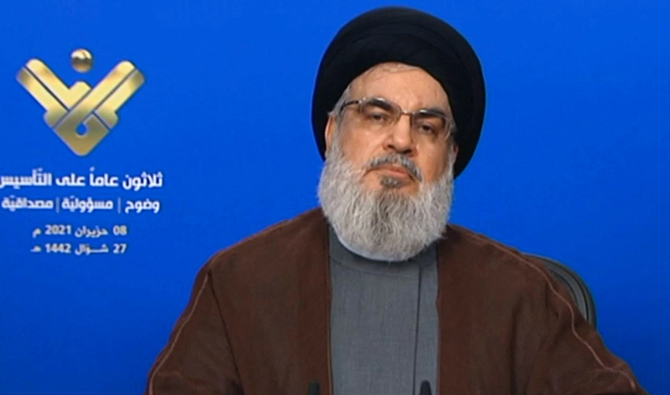
By Najia Houssari – arabnews.com — BEIRUT: In a speech seen as an act of defiance against the Lebanese state and the US, Hezbollah leader Hassan Nasrallah on Wednesday insisted that Lebanon should be “negotiating with Iran to buy gasoline and diesel with the Lebanese currency if Lebanon’s shortages persist.” Seemingly unconcerned about the possibility that this might result in international sanctions being imposed on Lebanon, he said, during a televised speech: “Shipments of fuel will arrive at Beirut’s port, and let the state prevent their access to Lebanon.” Nasrallah’s speech came hours after reports that the Iraqi government has agreed to double a previous promise to supply Lebanon with oil, from 500,000 to 1 million tons. His comments provoked varying reactions among the Lebanese public.
Some were surprised and some rejected the idea of buying oil from Iran, given the risk of sanctions. Washington still has sanctions in place on Iran and has designated the military and political wings of Hezbollah as a terrorist organization. “Nasrallah used a high tone when he talked about bringing fuel from Iran,” MP Bilal Abdallah told Arab News. “The Lebanese are suffering from shortages in drugs, food and fuel. Their suffering should not be used to establish stronger bridges with Iran.” He said such matters “should be discussed within the state, as the Iraqis did. When things happen outside the framework of the state and parliament, I am not sure they can be beneficial for the country.” Abdallah added: “People’s suffering cannot be used for political purposes that affect Lebanon’s relations with its neighbors and the international community.”
Elias Hankhash, a politician who along with his Kataeb Party colleagues resigned from the parliament after the Beirut explosion last year in protest against government negligence, said that “Hezbollah controls all the state’s assets, including the illegal border crossings and the legal facilities and is a cover for the corrupt mafia.” He blamed Hezbollah “for the bankruptcy, hunger and the international isolation the Lebanese are facing” and said that “buying fuel from Iran exposes Lebanon to sanctions and more isolation.” He added: “It would be better for them to bring the fuel directly to Syria and stop the smuggling from Lebanon into Syria. We know exactly who is behind the smuggling of subsidized goods from Lebanon, which has humiliated the Lebanese waiting in never-ending queues at gas stations to fill their cars.” During his speech, Nasrallah had attempted to show sympathy for the Lebanese public by saying that “humiliating the people is unacceptable.”

Population Movements to Keserwan - The Khazens and The Maans
ما جاء عن الثورة في المقاطعة الكسروانية
ثورة أهالي كسروان على المشايخ الخوازنة وأسبابها
Origins of the "Prince of Maronite" Title
Growing diversity: the Khazin sheiks and the clergy in the first decades of the 18th century
Historical Members:
Barbar Beik El Khazen [English]
Patriach Toubia Kaiss El Khazen(Biography & Life Part1 Part2) (Arabic)
Patriach Youssef Dargham El Khazen (Cont'd)
Cheikh Bishara Jafal El Khazen
Patriarch Youssef Raji El Khazen
The Martyrs Cheikh Philippe & Cheikh Farid El Khazen
Cheikh Nawfal El Khazen (Consul De France)
Cheikh Hossun El Khazen (Consul De France)
Cheikh Abou-Nawfal El Khazen (Consul De France)
Cheikh Francis Abee Nader & his son Yousef
Cheikh Abou-Kanso El Khazen (Consul De France)
Cheikh Abou Nader El Khazen
Cheikh Chafic El Khazen
Cheikh Keserwan El Khazen
Cheikh Serhal El Khazen [English]
Cheikh Rafiq El Khazen [English]
Cheikh Hanna El Khazen
Cheikha Arzi El Khazen
Marie El Khazen