By NADIM SHEHADI — arabnews.com — Two parallel narratives about Lebanon prevail: One is about the country being a failed state and the other is about a state that has been battered until it failed. According to the first narrative, Lebanon is an artificial country created by colonial powers; it never became a proper sovereign nation, while its people are divided and have no sense of patriotism or nationalism and only care for narrow family and sectarian interests at the expense of the country as a whole. It also states that Lebanon is a failed state ruled by a corrupt sectarian elite, a kleptocratic oligarchy of former warlords and feudal families whose allegiances are to foreign powers and who have perpetuated their rule through clientelism and gerrymandered elections. The country was bankrupted by a Ponzi scheme run by an alliance of mafia-style bankers and militia leaders. This point of view maintains that Lebanon was never a viable project and its history is one of continuous conflict and external intervention, with a few cease-fires in between. Furthermore, there is no real productive and self-sufficient economy; it is a rentier economy consisting mainly of services that are totally dependent on volatile external relations, and it is thus not sustainable. Hence, Lebanon should invest in industry and agriculture, as well as modern information technology and innovation.
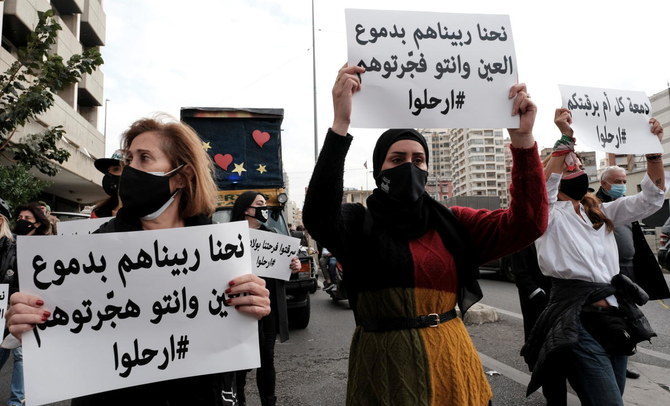
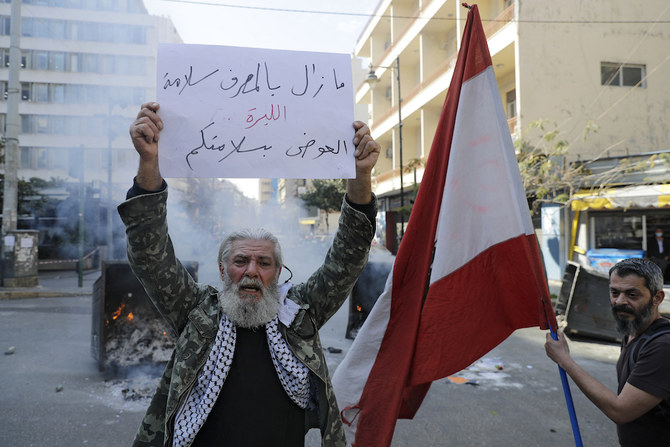
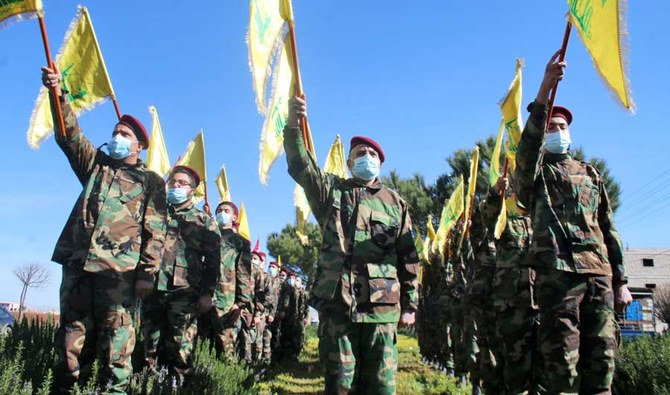
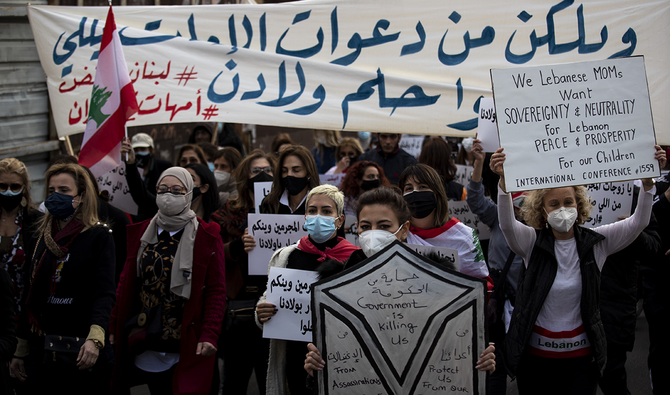
According to this narrative, last year’s Beirut blast was the result of corruption and negligence and the lack of movement on reforms and a recovery plan since the financial collapse of October 2019. It was caused by the selfishness and carelessness of the ruling class. The whole political establishment is thus rotten to the core and must resign en masse (“all means all”) and political parties should be abolished and replaced by competent technocrats with extraordinary powers to enact reforms and implement the policies needed to get Lebanon out of this crisis. Meanwhile, the battered state narrative declares that the country has been subjected to a systematic and coordinated “battering” since September 2004, when UN Security Council resolution 1559 challenged the Syrian presence and the arms of Hezbollah. Lebanon gradually became held hostage by Hezbollah, which effectively replaced Syria, and the ransom paid every year to keep the hostage alive has bankrupted the country.