The views expressed in this article are the authors’ own and do not necessarily reflect khazen.org
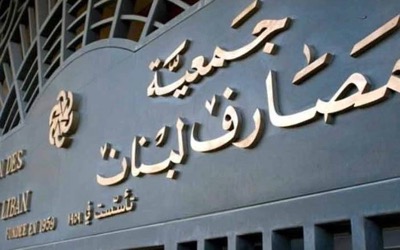
By Nizar Ghanem Founder of the Depositor’s Union of Lebanon Alex Ray Analyst at the Beirut-based think tank Triangle – Today, Lebanon has an enormous $72bn hole in its national finances. That figure alone, by any measure of the law, maths or logic should mean that Lebanon’s banks are bankrupt. Yet since the onset of the financial crisis, Lebanon’s banks and their supposed regulator, the Banque du Liban (BDL), have been making a bizarre ontological argument to avoid paying back their depositors and officially declaring bankruptcy. Despite there being no official capital controls, more than 60 of the country’s commercial banks have adopted the policy that a US dollar is not really a US dollar if it was deposited into a Lebanese bank before the financial crisis. Instead, they claim, a pre-crisis dollar is equal to a Lebanese pound and can only be withdrawn at a severely reduced rate – some 90 percent less than the current value of an American dollar on the black market. But any US dollars deposited to these same banks after the financial crisis would be “fresh” dollars, and thus, they can be withdrawn or exchanged with another currency at their real value at any time. Lebanese banks are basically claiming that not all debts to depositors are created equal. Naturally, millions of Lebanese are not on board with this. After enduring this absurd policy for three long years, a few desperate depositors have taken matters into their own hands.
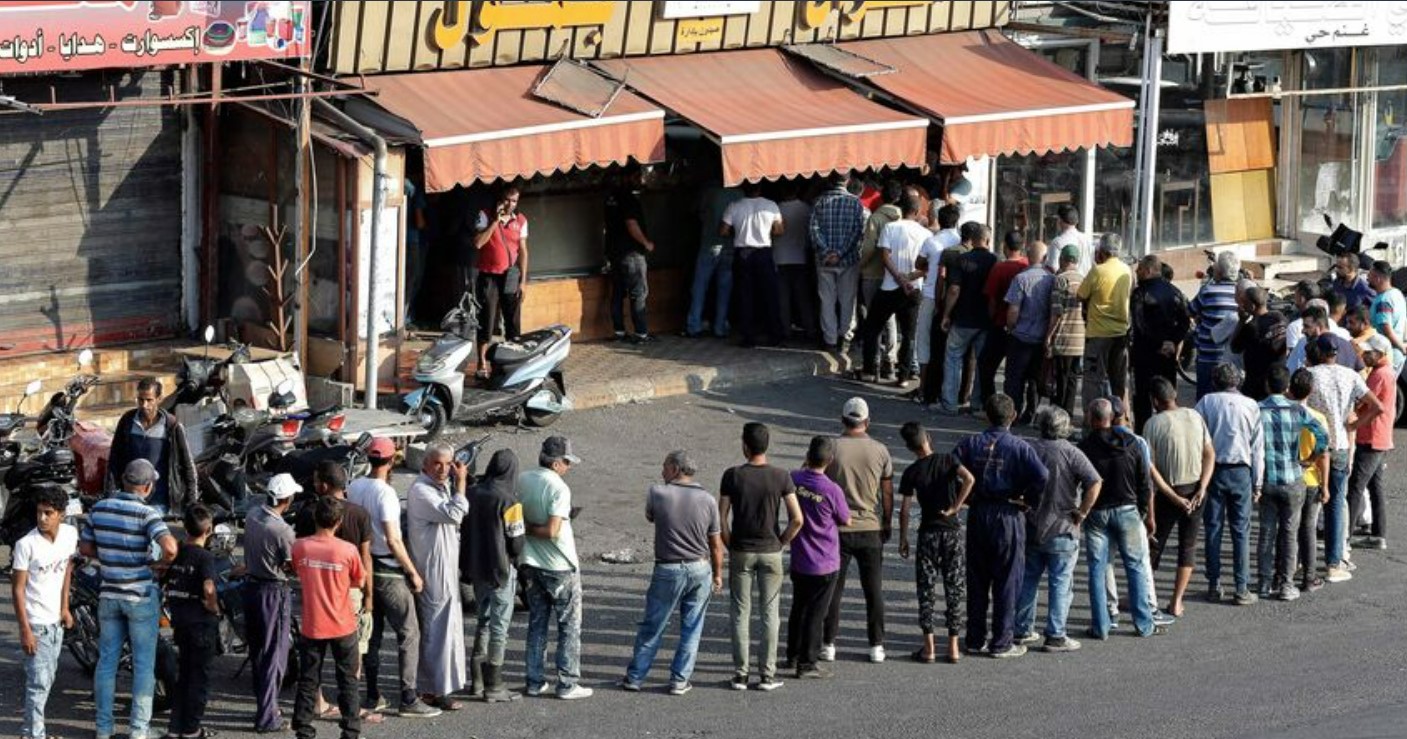
There are near-weekly bank hold-ups across Lebanon, but with a twist: People have been threatening to use violence in banks not to steal other people’s money, but to obtain access to their own savings. Some believe, however righteous the depositors’ anger may be, threatening violence is a step too far. But when you think about how these people have lost their homes or found themselves unable to meet their families’ most basic needs, including food, education and medical care, – simply because a bank is not giving them access to their own money – it becomes hard to compare these acts to “normal” bank robberies. In any country with a functioning social contract, the banking sector’s invented distinction between “fresh” and “old” money would have gone to court, and a sane judge would have ordered the bank to either pay up or declare bankruptcy – but not in Lebanon. In Lebanon, the judiciary is so scared to take on the banks – many of which are owned by political elites – that they are allowing the banks’ white-collar theft to continue, citing “exceptional circumstances”.