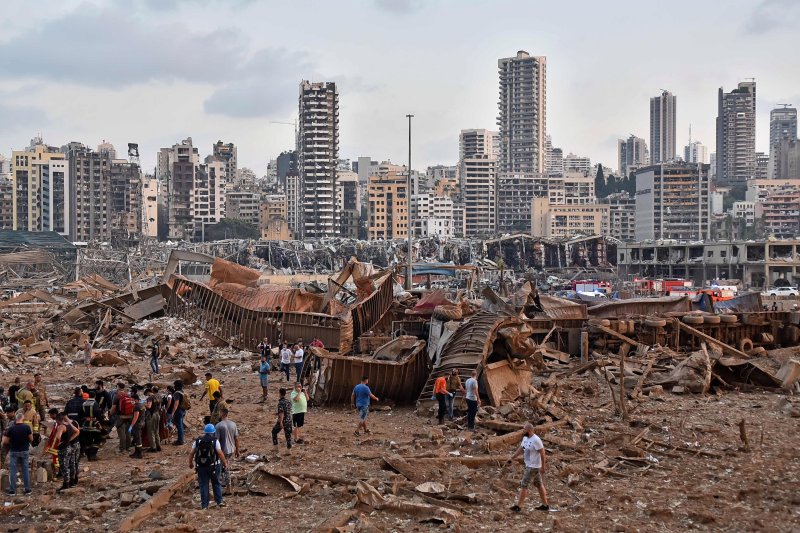
by thenationalnews.com — Almost two years ago, an explosion at Beirut’s port ripped through the Lebanese capital, killing more than 200 people. It was the largest non-nuclear explosion in history. It was caused by a stock of ammonium nitrate – mostly used as a fertiliser – that caught fire. In the aftermath of the explosion, it became clear that failings by senior officials, who should have known about the dangerous, large and poorly stored stockpile, paved the way for the blast. Two years on, the twisted remains of grain silos at the port, which became a symbol of the blast, are still there, as are much of the contents they stored, now rotting. On Sunday, footage emerged online showing clouds of smoke across the port as parts of the facility fell down. They had been on fire for three weeks before their ultimate demise.
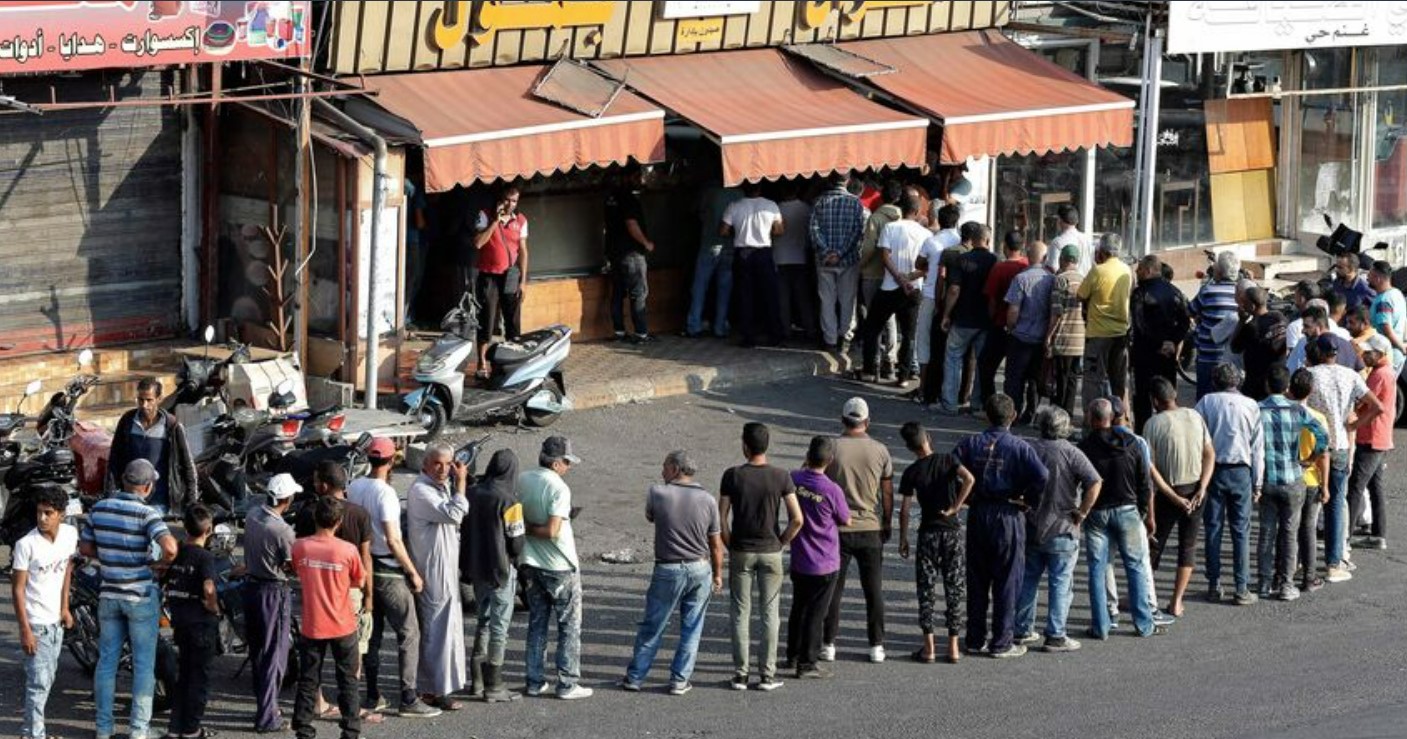
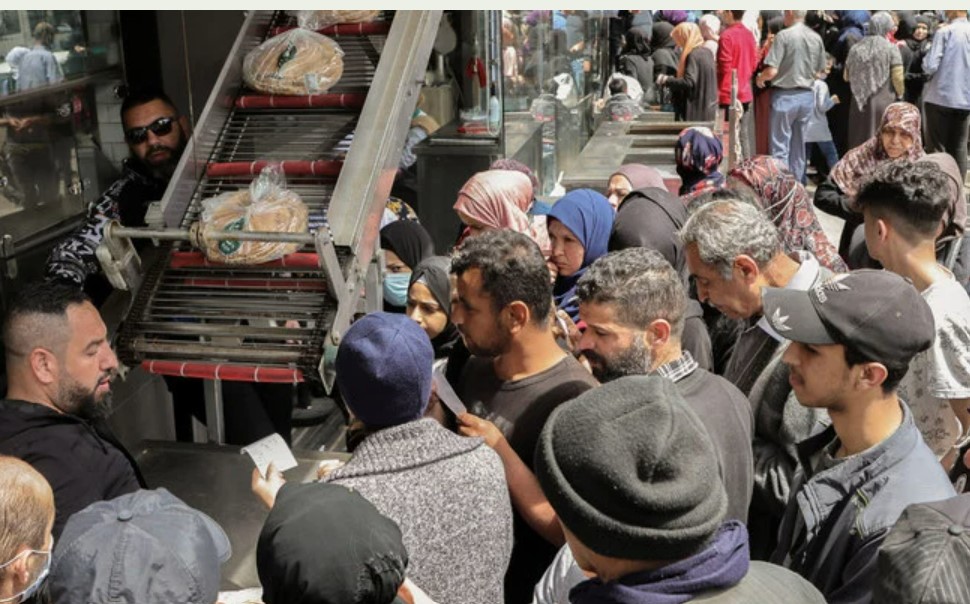
Silos at Beirut port begin to crumble after week-long fire. The state of the silos mirrors the wider circumstances of Lebanon today. Severe, sudden shocks might happen from time to time, but the main problem for the country is still a long-recognised and seemingly unstoppable decline. It is the result of corruption, inaction and mismanagement from political elites, as well as destabilising foreign influence. The silos should have been torn down already, let alone rebuilt. Instead, nature is completing a dangerous job that should be the responsibility of the state, which has become ineffective through a total breakdown in governance and an absence of accountability. The content of the silos, hazardous rotting grain, is also symbolic, this time of the critical food crisis facing the country.