Khazen

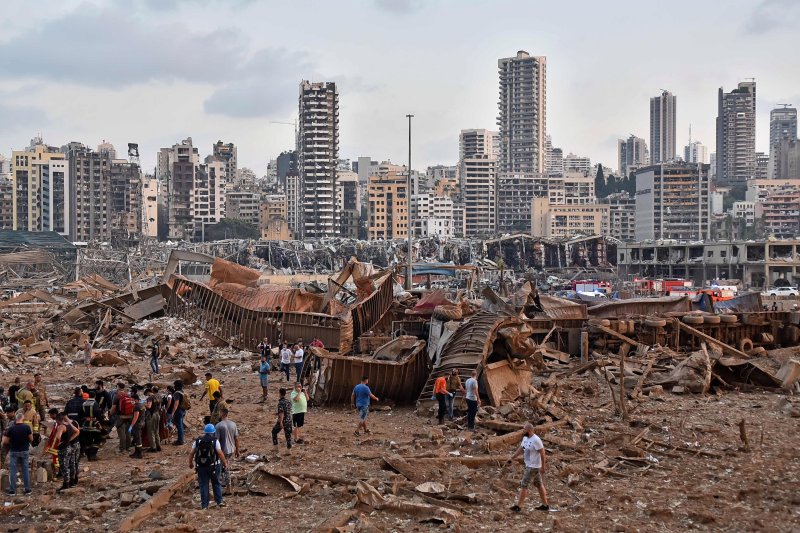
Beirut port silos hit by 2020 explosions catch fire

by ansamed.info — BEIRUT – A fire broke out on Tuesday in Beirut inside of what remains of grain silos destroyed by a devastating explosion in the port of the capital two years ago, according to eyewitnesses and Lebanese media. A column of smoke was reported to be rising from inside the silos, where the remains of grain – now spoilt and fermenting – have been left for two years. The cause of the flames is unclear. Families of the victims have told media outlets that they are afraid that it may be a case of arson intending to destroy what remains of the silos, which over time have become a true symbol of the August 4, 2020 disaster in which over 250 people died, over 6,000 were injured, and 330,000 were forced to leave their homes.

On August 4, 2020, some 2,750 tons of ammonium nitrate exploded in Beirut’s port after being left in unsafe conditions by Lebanese authorities for over six years in one of the port hangars. The tall grain silos, visible from every side of the Beirut seafront, protected part of the city from the devastating effects of the explosion, which experts rank among the 10 more powerful non-nuclear explosions in history. After the August 4 disaster, which occurred amid the worst economic and political crisis in Lebanese history, the entire political class was blamed by the victims’ families and by broad swaths of public opinion. Massive street protests had already begun periodically starting in 2019 against corruption and bad government.
Read more
Five Decades of Questions: Lebanon post-Syria Occupation

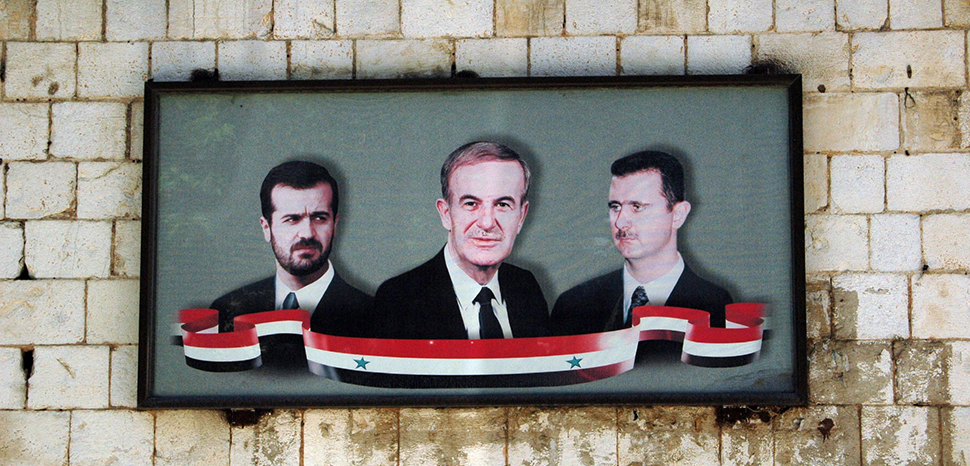
By Julian McBride — Geopoliticalmonitor.com — Lebanon was once known as the most prosperous nation in the Middle East to emerge from the post Sykes-Picot map, despite the inherent flaws in the Levantine nation. Heightened sectarian disputes, economic inequality, pan-Arabist nationalism, and regional disputes would eventually lead to the extremely brutal 15-year Lebanese Civil War, a conflict that killed 150,000 civilians and combatants. Dozens of militias, all attached to various ideologues, took part in hundreds of armed clashes, some of which pitted former neighbors against each other. Several countries played a major role in the carnage, such as Israel and Syria, with the latter ultimately enacting a 30-year occupation of Lebanon.

The three-decade Syrian occupation was quite brutal. The “elections” that took place were nothing more than a sham with handpicked people to lead a corrupt government. There were assassinations of key political figures and mass detention of political dissidents without due process, which happened quite frequently. To this day the fate of hundreds of Lebanese in Syrian prisons remains ambiguous and quite frightening given Syria’s Baathist Party methods of torture and abuse.

Read more
Lebanon telecoms mark-up threatens migrants’ link to jobs and safety

By Maya Gebeily — BEIRUT, (Reuters) – Kenyan cleaner Noel Musanga survived Lebanon’s economic meltdown, waves of COVID-19 and Beirut’s port blast. But when her internet provider announced rates would double, she feared her last lifeline to family and work would snap. The freelance migrant worker already barely earned enough to survive. Now, the higher telecoms bill means she will have to ration her calls to relatives and potential employers. “It will be like (being) in a deep hole,” Musanga said in her ground-floor apartment in the densely-populated Burj Hammoud neighbourhood on the edge of Beirut.

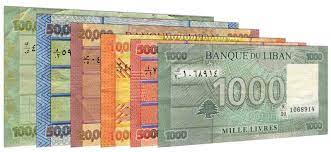
Lebanon hosts an estimated 250,000 migrant workers primarily from sub-Saharan Africa and Southeast Asia, according to the United Nations. Their residence is usually subject to “kafala”, a sponsorship system that rights groups say gives employers excessive control over workers’ lives. Lebanon’s three-year financial downturn has only added to their woes, with employers abandoning domestic migrant workers in the streets as their monthly wages – between $150 to $400 – became too expensive. Some went freelance, living on their own and taking on cleaning or nannying work to pay the bills. But that has become harder by the day. Lebanon’s currency has lost 95% of its value while food and public transportation costs have risen roughly eleven-fold.

Read more
Formation of new Lebanese gov’t unlikely soon amid deep political rifts: experts

by famagusta-gazette.com — Lebanon is unlikely to form a new cabinet very soon, given a deeply divided political landscape shown in the parliamentary elections in May and under the influence of multiple external factors, said experts. “Amid the current steep divisions, I believe we won’t be seeing a new cabinet in Lebanon and the caretaker government of Prime Minister (Najib) Mikati will stay until we elect a new president for the republic by the end of October, which may also be a very difficult task in the light of the current complicated scene,” political analyst Amin Kammouriye told Xinhua. Soon after Mikati was re-appointed as Lebanon’s prime minister-designate by the president on June 23 following binding consultations with parliament members, he vowed to form a cabinet capable of assuming its full duties and responsibilities.

Mikati, who was appointed for a fourth time with 54 votes from the 128-member parliament, should govern in the run-up to the presidential election in the autumn and rally various parties to put aside differences for Lebanon’s reforms. However, Kammouriye said, Mikati’s premiership was secured by the lowest number of votes for any prime minister in Lebanon ever since 1990, a reflection of the new make-up of the parliament as the Iran-backed Shiite movement Hezbollah and its allies lost their majority in May elections. During the elections, the Free Patriotic Movement, a major Hezbollah ally led by the president’s son-in-law Gebran Bassil, also lost its position as the largest Christian bloc in the parliament. Kammouriye also noted the rifts between Mikati and Bassil over key ministerial portfolios. As the end of President Michel Aoun’s presidential term is imminent, Bassil aims to appoint his supporters in key public institutions to ensure his party’s control of key posts, the political analyst explained.

Read more
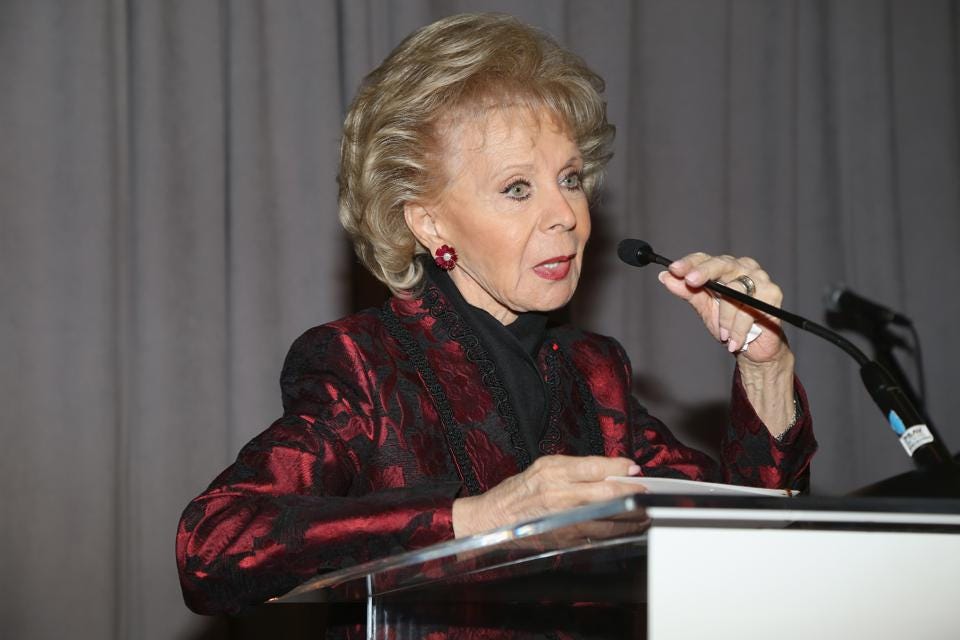
Billionaire Lily Safra Dies Of Cancer At Age 87. Here’s How She Got Her Fortune

By Kerry Dolan – Forbes.com — Lily Safra, a billionaire socialite and philanthropist who inherited a fortune from her banker husband Edmond Safra, died at age 87 of pancreatic cancer, according to her spokesperson. Safra died on July 9 in Geneva, Switzerland. Safra’s fourth husband, Brazilian banker Edmond Safra, died in 1999 in a fire in their apartment in Monaco. Lily Safra chaired the Edmond J. Safra Foundation, which describes itself as donating to organizations supporting education, science and medicine, religion and humanitarian relief in 40 countries. Forbes estimated her fortune at $1.3 billion. Lily was born in Porto Alegre, Brazil in 1934 to Jewish immigrants to South America. Her father, Wolf Watkins, was of Czech and British origin and manufactured railroad cars in the city of Mesquita, near Rio de Janeiro, where the main street was named “Rua Mister Watkins.” Lily moved to Montevideo, Uruguay at age 17 and soon married Mario Cohen; together they had three children. The marriage ended in divorce and she moved back to Rio de Janeiro. In 1965, at age 30, she married Alfredo “Freddy” Monteverde, owner of the appliance store chain Ponto Frio. Monteverde struggled with bipolar disorder and died by suicide in 1969, according to a statement from Lily Safra’s spokesperson.

Her third marriage, to Samuel Bendahan in 1972, lasted just one year before they divorced. She married Edmond Safra, who reportedly had been Freddy Monteverde’s banker, in 1976. Edmond Safra’s family initially hailed from Lebanon before moving to Brazil. He built a multi-billion dollar fortune via a significant stake in the publicly-traded parent of U.S.-based Republic National Bank, which he founded, plus a private banking business in Europe. Edmond was diagnosed with Parkinson’s disease in the mid 1990s and eventually required full-time nursing care. In December 1999, his nurse Ted Maher fabricated a break in and started a fire in the couple’s apartment in Monaco in order to play hero and rescue his wealthy boss, according to reports of testimony at Maher’s trial. But Edmond Safra and another nurse died of smoke inhalation in a bathroom while trying to avoid the fire. Maher was convicted of arson and sentenced to 10 years in prison.

Read more
Saudi dissident killed in Lebanon; his brothers detained

BEIRUT (AP) — A Saudi opposition party says one of its founding members was killed in the Lebanese capital, Beirut. The National Assembly Party said Sunday that founding member Manea Al-Yami was slain in “complicated circumstances.” The Lebanese Internal Security Forces say in a statement that Al-Yami’s two brothers stabbed him to death in the […]

Read more
Lebanese political officials slammed during Eid sermon for ‘moral crisis and love of power’

by Najia Houssari — arabnews.com — BEIRUT: Political officials in Lebanon’s ruling class came under fire on Saturday for suffering from “a moral crisis and the love for power” as the country celebrated Eid Al-Adha. The officials had apologized for not receiving any well-wishers on the holy occasion “due to the circumstances Lebanon is going through.” Dar al-Fatwa secretary Sheikh Amin Al-Kurdi condemned them during the Eid sermon. “The dignified, self-respecting people will not break in front of your corruption, thefts, and complex sick selves. You wasted their wealth and resources,” he said before hundreds of worshippers in the Al-Amin Mosque in the center of Beirut. “There’s no electricity, no water, no medicine, and no bread. Everything is obscenely expensive, and life has become arduous and compelling. “The people will remain, but the black pages of history will curse you generation after generation,” added Al-Kurdi, who led the Eid prayers instead of Grand Mufti Sheikh Abdul Latif Derian. The grand mufti is in Saudi Arabia to perform the Hajj.

Al-Kurdi said the Lebanese officials suffered from “a moral crisis and the love for power.” In his sermon, he asked: “Where is the prosecution of the killers of the martyred Prime Minister Rafik Hariri following the ruling of the international tribunal? Where’s the investigation into the Beirut Port blast? Where are the people’s financial rights lost in banks? Where’s the water, the electricity, the medicine, the food, and the fuel? Where’s the feeling of security and tranquility? When the captain of the ship is troubled, all the passengers will feel insecure.” Lebanon entered the holiday phase on Saturday ending next Tuesday. Political activities to form a new government were halted, and work on controversial matters was suspended. Prime Minister-designate Najib Mikati has not visited President Michel Aoun during the past couple of weeks to continue consultations over the draft Cabinet lineup and Aoun has yet to respond to Mikati’s proposed draft Cabinet.

Read more
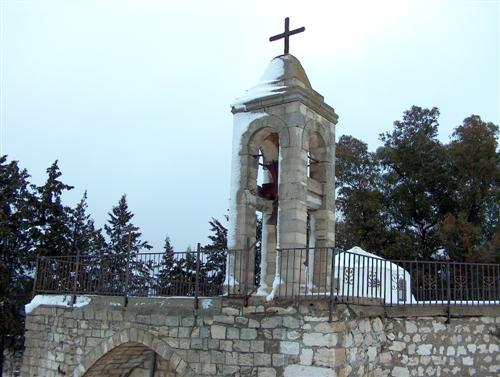
Melto D’Moronyo: A budding Maronite saint

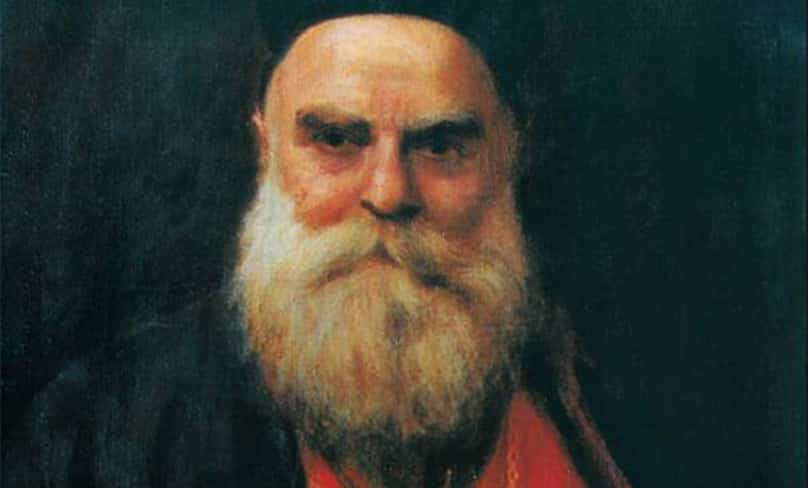
by catholicweekly.com.au — Dr Margaret Ghosn mshf — Elias Boutros Howayek, born 4 December 1843 in Helta, North Lebanon, went on to become a priest (1870-1899), bishop (1889-1899) and Maronite Patriarch of Antioch (1899-1931).

Elias is considered one of the four founders of modern Lebanon alongside Fakhr el Din II, Bashir II and Youssef Beik Karam.

Elias Boutros Howayek’s Ordination to the Priesthood occurred on 5 June 1870 in Rome. He was of the view that:

  • minimal education impoverished chances of advancement
  • the neglected lacked dignity
  • an occupied country experienced poverty of freedom
  • distance from God was poverty of the human

As such, Elias committed his life to removing the causes of poverty and hardship from society.

Read more
Relief and gratitude at Saudi decision to lift Lebanon direct travel restrictions

By Najia Houssari — arabnews.com — BEIRUT: Saudi Arabia’s decision to drop COVID-19 restrictions for passengers traveling from Lebanon will provide great momentum for air traffic between Beirut, Riyadh, and Jeddah, an industry leader said on Friday. Jean Abboud, head of the Syndicate of Tourism and Travel Agencies, told Arab News that airlines had started programming their flights to Riyadh and Jeddah from Beirut. Most people were relieved by the move, he added. Saudi Arabia’s ambassador to Lebanon, Walid Al-Bukhari, tweeted on Thursday evening about the decision, as the Kingdom lifts precautionary measures during the Hajj season.

Lebanon’s caretaker Tourism Minister Walid Nassar thanked the Saudi leadership for allowing people to fly directly from Lebanon without the need to spend 14 days outside the country before entering Saudi Arabia. Nassar added that the Kingdom had always stood by Lebanon and the Lebanese, taking decisions that were “in the interest of our country.” Abboud said that previous measures had prevented about 60 percent of Lebanese people living and working in Saudi Arabia from returning directly from Beirut. “So they became more reluctant to fly out to Lebanon.

The Lebanese community in the Kingdom is quite large, and the Lebanese used to fly to Beirut very frequently, sometimes every weekend. However, the condition requiring them to stay 14 days in another country before returning to Saudi Arabia became a major waste of time and money. “Airlines are adjusting their flights to the Kingdom in light of the decision, especially since large numbers of Lebanese are currently spending their summer vacation in Lebanon and wish to return via a direct flight to Saudi Arabia.” MP Bilal Al-Hashimi thanked Saudi Arabia for its decision. He said: “We are happy to return to the Kingdom of goodness, humanity, love, and giving, which has always been an example for Arab brotherhood. We all yearn for more such decisions that we are accustomed to from the Kingdom that has never left Lebanon. Rather, it has always provided support and aid, and it will always do so, especially in these virtuous days.”

Read more
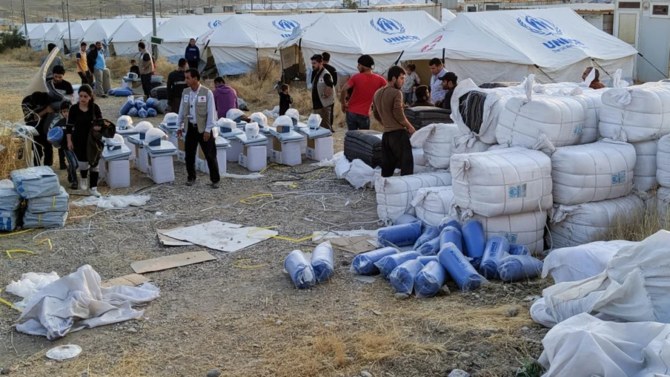
Lebanon decides to formally negotiate with Syria on refugee repatriation

By Najia Houssari — arabnews.com –– BEIRUT: Lebanon has decided to formally negotiate refugee repatriation with Syria, a minister in the caretaker government said on Thursday. The Minister of Displaced Affairs Issam Sharaf El-Din said he would visit Damascus after the Eid Al-Adha holiday, making him the first Lebanese minister to visit the Syrian capital in an official capacity since 2011. Sharaf El-Din will discuss the plan to repatriate Syrian refugees in stages and “secure the executive mechanisms” for their return. He confirmed he had an official mandate from President Michel Aoun and caretaker Prime Minister Najib Mikati for the Syrian refugee issue.

BACKGROUND International organizations were trying to obstruct this issue by threatening to not help refugees if they returned to their country, said Minister of Displaced Affairs Issam Sharaf El-Din. According to Sharaf El-Din, the plan stipulated “the repatriation of 15,000 refugees per month” because Lebanon believed the war in Syria had ended and the country was safe. “Lebanon will not accept the non-return of Syrian refugees to their country.” Lebanon, which is already in crisis, says Syrian refugees are a heavy burden on basic services and infrastructure. According to Lebanese protesters, the refugees shared “our bread, which has turned into a rare commodity, and people are scrambling to get it in the past days.” Lebanese ministers have previously visited Damascus and met Syrian officials, despite the suspension of Syria’s Arab League membership, but they have been keen to stress the visits were personal.

Read more