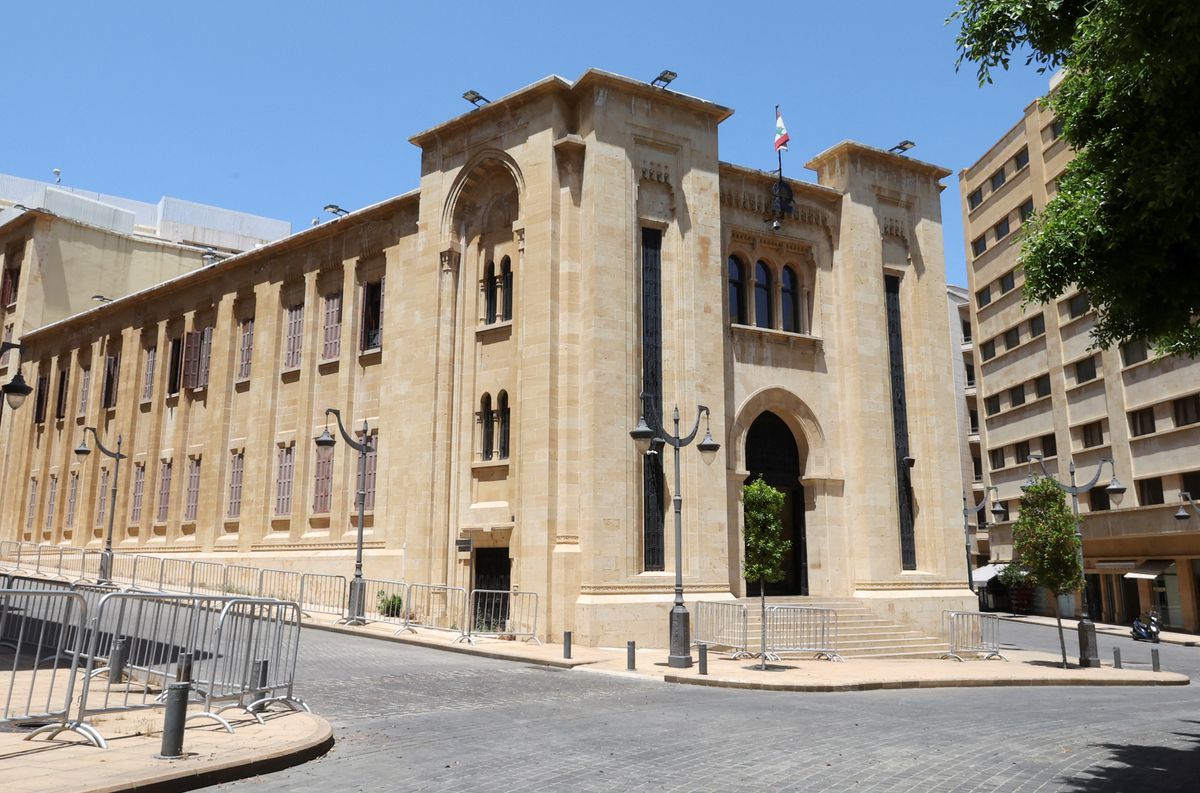
By AJ Naddaff — middleeasteye.net — Lebanon’s first elections since the country was devastated by its worst-ever economic crisis have unseated household names in Lebanese politics, shifted majority blocs, and yielded a surprising breakthrough for independents. Middle East Eye takes a look at some of the elections’ most notable winners and losers.
Hezbollah-Amal’s prominent allies
While Hezbollah and their Amal Movement ally retained their dominance of Shia representation in parliament, some of their longtime Christian, Sunni and Druze allies lost their seats. The most prominent among the Hezbollah-allied unseated MPs is Talal Arslan. The Druze politician, hailing from one of Lebanon’s oldest political dynasties, was first elected in 1992. The prince of Druze Feudalism, known as the emir in Arabic, lost his seat in the Mount Lebanon IV constituency to Mark Daou, a newcomer campaigning on a reform agenda. Elie Ferzli, the longtime Greek Orthodox deputy speaker of parliament, is also a veteran MP who was defeated in the Bekaa II constituency. He lost to one of the more controversial opposition-backed candidates: Yassin Yassin. Scepticism surrounds Yassin, a millionaire who purchased some of former prime minister Saad Hariri’s old businesses yet presents himself as anti-establishment. In the north, Syria-aligned Faisal Karami, the heir of an influential political family in northern Tripoli, failed to get re-elected for a second term in parliament, although his list still won three seats. Karami’s father, Omar, served two terms as premier when Faisal was young.
New Christian majority on the block