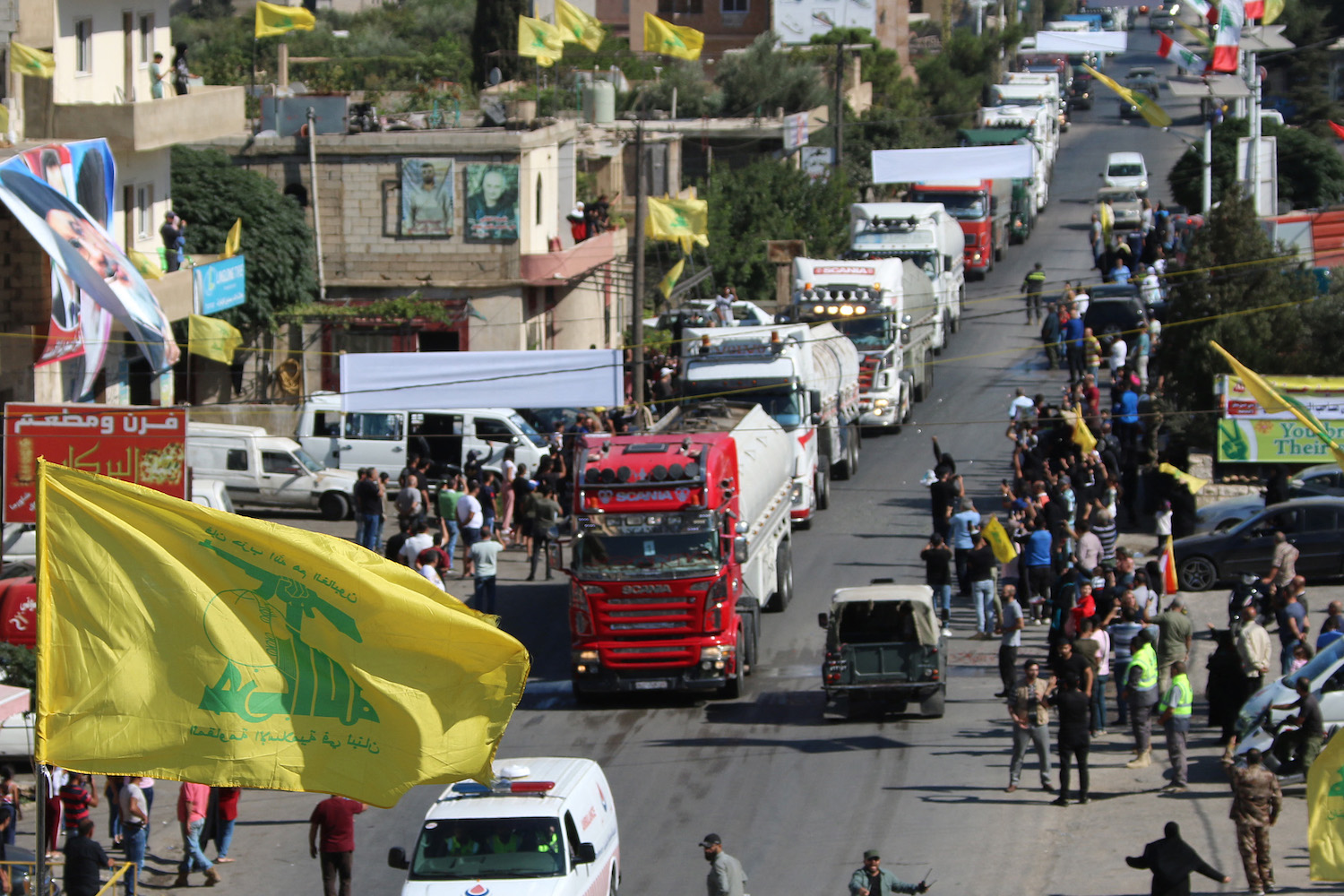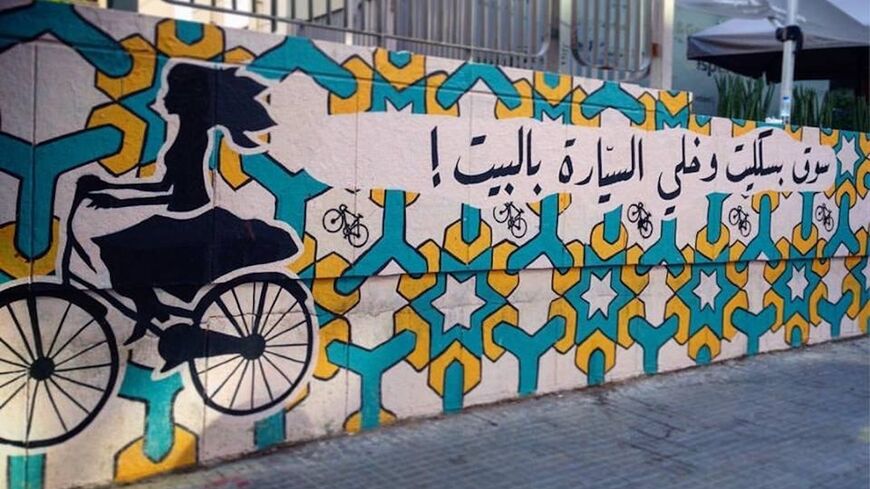
By Clement Gibon — almonitor.com — BEIRUT — Faced with fuel shortages caused by the war in Ukraine, dozens of Lebanese drivers stuck in front of gas stations on Mar Mikhael Street wait impatiently to fill up their vehicles — a situation echoing last summer’s “queues of humiliation.” As a consequence of the fuel shortage, many Lebanese have turned to bicycling — a less expensive and more environmentally friendly way of getting around. Ramzi Alieh, a young Lebanese architect, uses his bicycle to traverse Beirut. “I started cycling right away in Beirut … when the fuel crisis hit Lebanon. Thanks to this mode of transportation, I was much less affected by the shortage,” Alieh told Al-Monitor. “Now, with the war in Ukraine, mobility is becoming an issue again. Since I am already used to riding my bike, I don’t have to worry about queues, rising fuel prices or expensive repairs,” he said.
In the space of a few months, the price of oil has increased drastically in Lebanon. While the price of diesel was 30,000 Lebanese pounds last June, it increased by 1,667% to 500,000 Lebanese pounds in April, which is almost the entire monthly salary of a Lebanese worker. For many, this increase in fuel costs added another burden to an already difficult daily life, said economist Patrick Mardini, head of the Lebanese Institute for Market Studies. “The war in Ukraine has led to an increase in the price of fuel worldwide. As a result, the price of transportation and fuel will become even more expensive in Lebanon,” Mardini told Al-Monit