Khazen

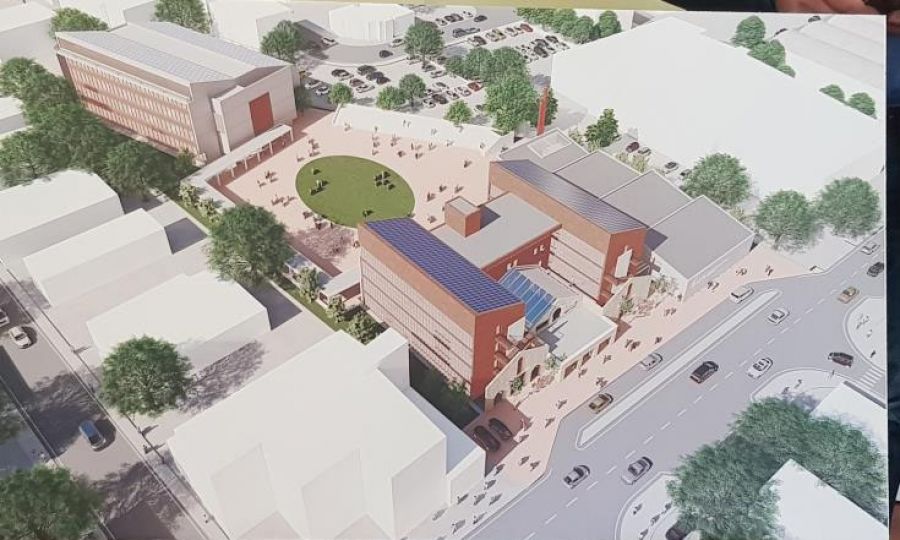
The American University of Beirut will open its doors next year in Paphos Cyprus

by knews —The American University of Beirut is officially opening its doors beginning next year with a campus in Paphos, according to Paphos Mayor Phedonas Phedonos. In statements on Wednesday, Mr. Phaedon said that the new University will mark a new era for the city of Paphos. Construction of the new campus is expected to start in June or July of this year, with a cost of 29 million euros. New enrollments are expected to begin in September 2023. According to the Mayor, the Paphos campus of the American University of Beirut will accommodate approximately 2 thousand students and will offer three faculties, computer science, economics and business and the School of Civil Engineering. In his statements, the Mayor thanked the government for its support of the project while announcing that the agreement with AUB will be officially formalized in a ceremony this Friday in which the Mayor, the President of Cyprus and the US Deputy Secretary of State are expected to be present.

​​Founded in 1866, the American University of Beirut bases its educational philosophy, standards, and practices on the American liberal arts model of higher education. It was granted institutional accreditation in June 2004 by the Commission on Higher Education of the Middle States Association of Colleges and Schools in the United States which was reaffirmed in 2016. AUB Beirut currently offers more than 130 programs for bachelor’s, master’s, MD, and Ph.D. degrees.
Read more
Pace of electoral list announcements accelerates in Lebanon as deadline approaches Pace of electoral list announcements accelerates in Lebanon as deadline approaches

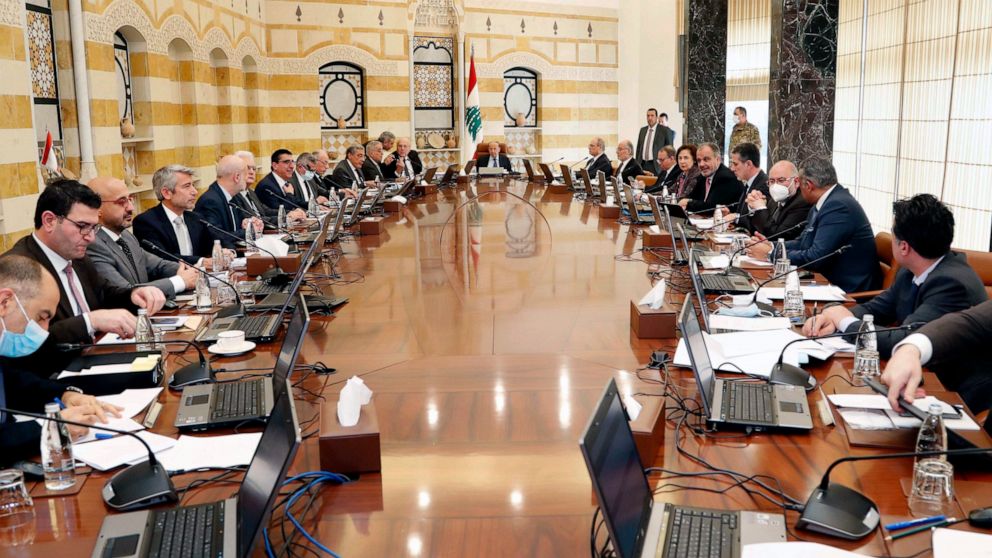
By Najia Houssari — arabnews.com — BEIRUT: Parties standing in the May 15 parliamentary elections in Lebanon are hurrying to draw up their candidate lists ahead of the Monday deadline for registration. Campaigning for the elections is gathering pace as candidates visit their constituents across the country and their rhetoric becomes increasingly inflammatory. Most of the parties in power have announced their lists and alliances, but the opposition and independent forces are still forming lists and alliances.

A voter in the Baalbek-Hermel constituency told Arab News that “Hezbollah mobilized all its electoral machinery and began touring the voters, wooing them in Beirut and its southern suburbs, in the Bekaa and the south.” The voter added that party delegates “enquire about the number of voters in each house and whether they need transportation to reach the polling booth, and ask them to fill out a specific form to communicate with them.” The voter, who declined to be named, also indicated that Hezbollah’s delegates were being challenged during campaigns. They said people were raising queries about how the party had benefited them during the last period of being in power, and that their situation had become worse. “The same applies to other parties whose electoral machines face losing the voter enthusiasm.”

Read more
BOUJIKIAN SAYS US OPENNESS TO LEBANESE PRODUCTS “VERY ENCOURAGING”

NNA – Minister of Industry, George Boujikian, on Friday said during his meeting with the CEO and founder of “Made in Lebanon” that the United States’ openness to Lebanese products was very encouraging. “It’s an outright evidence of the high quality our national industry, especially with the recognition of the US authorities, particularly the Food […]

Read more
Grand mufti accuses ‘corrupt clique’ in power of demolishing Lebanon

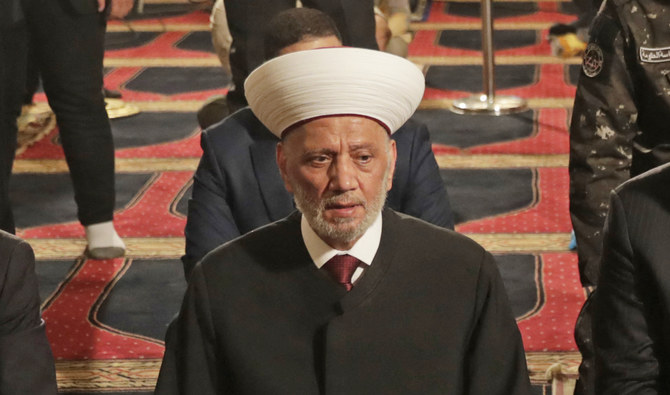
By Najia Houssari — arabnews.com — BEIRUT: Lebanon’s Grand Mufti Sheikh Abdel Latif Derian has called on Lebanese voters to participate in upcoming parliamentary elections without hesitation. “Any alternative produced by the elections is better than the coercive and corrupt authority, and some candidates are motivated and willing to create change,” he said. Addressing the Lebanese people on Friday ahead of Ramadan, Derian criticized what he called a “corrupt clique” in power. He accused them of demolishing “everything that the Lebanese built in 100 years, including the judiciary and the banking sector, as well as Lebanon’s relations with Arab and international countries.” Derian criticized the “desperate attempts to ruin Lebanon’s identity, belonging and constitution, and destroy the principle of separation of powers in favor of personal feuds and miserable political interests.”

FASTFACT

Lebanon’s Grand Mufti Sheikh Abdel Latif Derian has called on Lebanese voters to participate in upcoming parliamentary elections without hesitation. He expressed concern about the military losing stature and power in favor of militias that follow orders from abroad.

Read more
Will renewables bring light to a particularly dark situation in Lebanon?

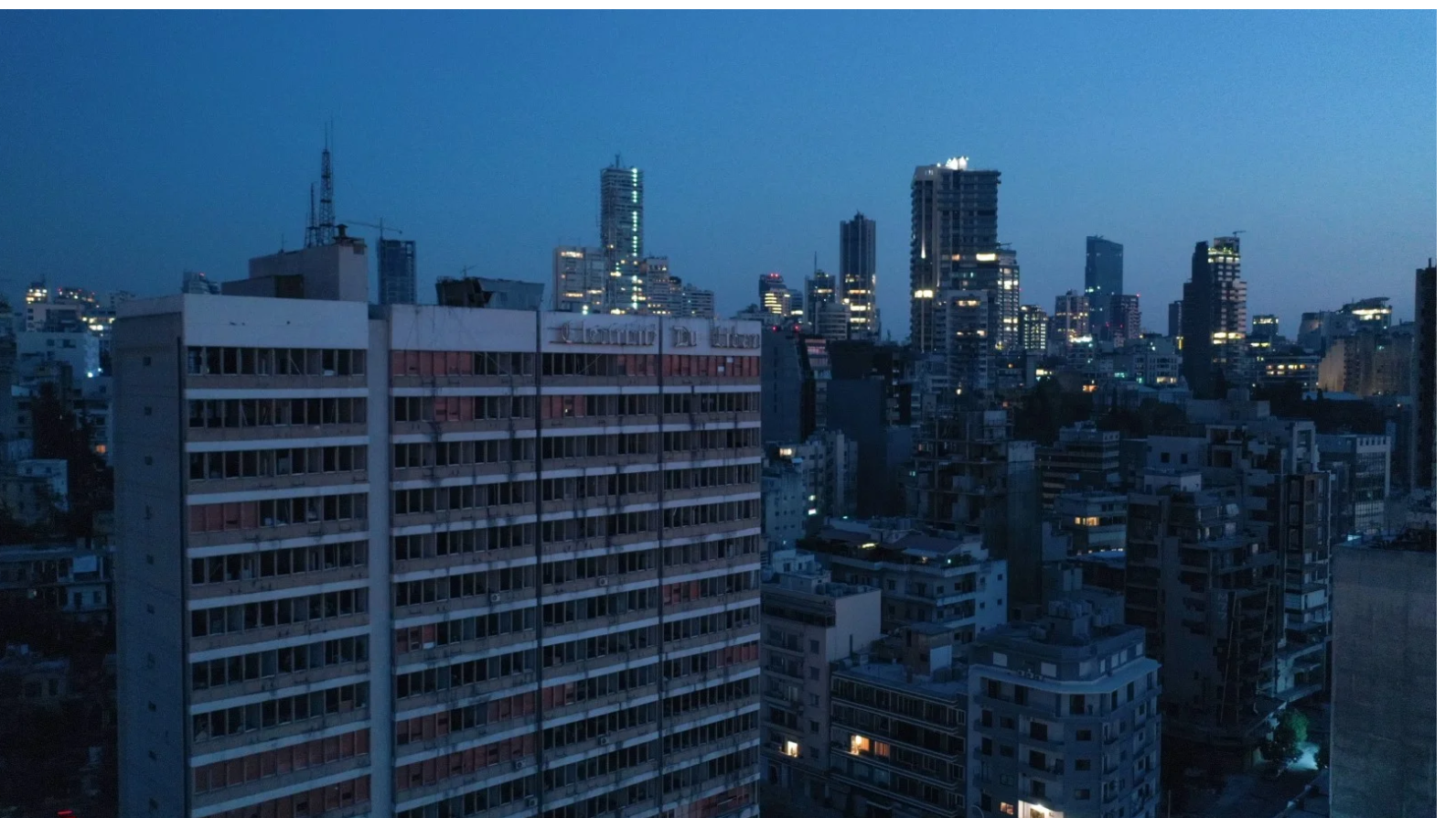
By Nour Ghantous –energymonitor.ai — In October 2021, the power in Lebanon cut out completely for 24 hours. The country’s two main power plants had run out of fuel, leaving the entire country without electricity. The nation was plunged into darkness and hospitals were forced to halt vital procedures. In August of the same year, the American University of Beirut Medical Centre had appealed to the international community for help when it had just 48 hours of fuel left for its generators; after that it would no longer have the power to run its respirators, which 15 children and more than 100 dialysis patients depended on for their lives.

The blackout was a symptom of a bigger problem: decades of mismanagement and extreme fuel shortages culminated in an energy crisis that started in 2020. Power outages are nothing new for Lebanese citizens – they have been part of daily life for decades – but they are becoming more commonplace. Today’s crisis comes on top of political instability, a financial crisis, the Covid-19 pandemic and the lasting effects of the 2020 Beirut blast, when a large amount of ammonium nitrate stored at the Port of Beirut exploded, causing hundreds of deaths, $15bn (L£22.89trn) of damage, and leaving upwards of 300,000 homeless.

Corrupt to the core

Read more
Minister Sejaan Azzi: اتّــجَهنا شرقًا فوَجدْنا الحِيادَ أيضًا

سجعان قزي

@AzziSejean


فيما كانت الدولةُ اللبنانيّةُ غارقةً في السجالاتِ العقيمةِ وقابعةً في عُزلتِها، وُلدَ، على رَمْيةِ صاروخٍ من لبنان، “حِلفٌ أطلسيٌّ” جديدٌ في الشرقِ الأوسط ضَمَّ ـــ كأعضاءٍ مؤسِّسين ـــ المغربَ ومِصرَ والبحرين والإماراتِ العربيّةَ وإسرائيلَ وأميركا (28 آذار). وإذ اعْتذرَ عبدالله الثاني، ملكُ الأردن، عن حضورِ اللقاء الأوّل، زارَ الضِفّةَ الغربيّةَ في اليوم ذاتِه والتقى رئيسَ السلطةِ الفِلسطينيّةِ، ثم استقبل في عمان إسحق هرتزوغ رئيسَ دولةِ إسرائيل (30 آذار). وفيما “الحلفُ الأطلسيُّ” الجديدُ ركّزَ على الخطرِ النوويِّ الإيرانيّ، ركّزَ لقاءا رامَ الله وعَمّان على القضيّةِ الفِلسطينيّةِ وحلِّ الدولتين. لكن ما جِدّيةُ استهوالِ الخطرِ الإيرانيِّ فيما أميركا متلهِّفةٌ إلى توقيعِ الاتفاقِ النوويِّ في فيينا؟ وما مفعولُ التركيزِ على حلِّ الدولتين طالما أنَّ التطبيعَ العربيَّ مع إسرائيل حَصَل قبلَ ولادةِ الدولتين؟ صارت إسرائيلُ كَنّةَ العروبةِ، والعربُ قُرّةَ عينِ إسرائيل، وبقيَت فِلسطينُ أرملةَ الجميع.

Read more
Lebanon’s wheat crisis worsened by funding delays

BEIRUT, (Reuters) – Lebanon’s Cabinet on Wednesday approved a long-delayed draft capital control law that still requires final approval from parliament amid a worsening financial crisis now in its third year, Information Minister Ziad Makari said in televised remarks following the session. Formal capital controls are a policy recommendation of the International Monetary Fund, from which Lebanon hopes to secure an aid package after the country’s financial system imploded in 2019, paralysing the banking system and freezing depositors out of U.S. dollar accounts. Lebanon’s parliament had been set to discuss the bill at a Tuesday session but members of parliament asked that the government first officially endorse the law, noting it had been referred to them by an unspecified ministerial committee.

Deputy Prime Minister Saade Chami said after the session that the law was approved with minor amendments related to a committee that determines terms and conditions for withdrawals in pounds and foreign currency. He said the committee would now include two economic experts and a high-ranking judge as well as representatives of the central bank and finance ministry. MP Ali Hasan Khalil, a top aide to House Speaker Nabih Berri, said on Monday that Berri was ready to schedule another session to adopt the bill before parliamentary elections on May 15. No such session has yet been scheduled.

Read more
Lebanon’s wheat crisis worsened by funding delays

By NAJIA HOUSSARI — arabnews.com — BEIRUT: Lebanon’s wheat crisis is being exacerbated by bureaucracy, as the price of the grain continues to soar, according to a senior official. More than two weeks ago, the Cabinet granted the General Directorate of Grains and Sugar Beets an advance of 36 billion Lebanese pounds ($1.6 million) to buy 50,000 tons of wheat, which would have been sufficient to meet the country’s needs for a month. But the advance was never received as a decree was not issued. “Since no decree was issued to allow the directorate to ask the central bank to convert the 36 billion Lebanese pounds into dollars, the minister of economy resorted to requesting exceptional approval from the Cabinet, which convened on Wednesday to obtain an additional amount,” Georges Berbari, the general director of grains and sugar beets, said. “The administrative measures for the process of buying wheat take a long time. Meanwhile, international prices are rising. The amount allocated two weeks ago is no longer sufficient to purchase 50,000 tons of wheat,” he said. “The situation is very stressful amid the decreasing wheat stocks. The important thing is to get any amount quickly, even if it will only secure 30,000 or 40,000 tons of wheat.”

Ahmad Hoteit, the president of the Association of Mills in Lebanon, said: “The Ukrainian crisis has begun to have repercussions on Lebanon. Wheat shipments may arrive next week at higher prices, and given the high demand, the country that pays more gets the wheat. We asked Prime Minister Najib Mikati and the central bank not to delay securing the credits.” Lebanon consumes about 600,000 tons of wheat a year, of which 80 percent is imported from countries like Ukraine and Russia. But it is facing a severe financial crisis, prompting the state to gradually lift subsidies on dozens of vital materials, including fuel, medicine and flour. Despite the problems, Agriculture Minister Abbas Hajj Hassan dismisses claims the country is facing a wheat crisis. “The minister of economy has communicated with the U.S., Canada, Australia, India and other markets to import wheat from them,” he said. “We are waiting for the central bank to open credits, and the ministry’s agricultural research department has warehouses ready for storage.”

Read more
UN Finishes Repairs on Hundreds of Schools Damaged by The Beirut Blast

by Payton Bruni – AlBawaba.com — The UN Educational, Scientific and Cultural Organization (UNESCO) announced on March 28 that it has completed repairs on 280 educational institutions in Beirut. The 228 schools, 32 universities and 20 training centers were all damaged in the August 4, 2020, port explosion in Beirut that devastated the surrounding area […]

Read more
120 million euros frozen in Lebanese laundering probe

By AFP — THE HAGUE: France, Germany and Luxembourg have seized properties and frozen assets worth 120 million euros ($130 million) in a major operation linked to money laundering in Lebanon, the EU’s justice agency said Monday. The seizures are linked to a probe launched by French investigators last year into the personal wealth of Riad Salameh, the central bank chief in crisis-hit Lebanon. “Five properties in Germany and France were seized as well as several bank accounts” were frozen, Eurojust said in a statement. The Hague-based Eurojust said the operation on Friday was directed against five individuals who were suspected of embezzling public funds in Lebanon of more than $330 million and five million euros, respectively, between 2002 and 2021. The five suspects include Salameh, a former Merrill Lynch banker and members of his family, a source close to the probe told AFP.

Prosecutors are probing Salameh’s alleged links to criminal association and money laundering, judicial sources said, following a similar move by Switzerland. A Lebanese judge last week charged Salameh with “illicit enrichment” and money laundering after he failed to attend a court hearing for the fifth time. Legal proceedings opened against Salameh after complaints filed by anti-graft groups in April last year, supported by a group of Lebanese citizens who lost money since the crisis hit the country in 2019. Friday’s seizures also include three properties in Germany, valued at 28 million euros as well as other assets worth seven million euros.

Read more