وفي اليوم السابع …… ينقسم اللبنانيون بين مؤيد لاحتلال روسيا لأوكرانيا ومعارضٍ له، بين من يعتبر الغزو تصحيحاً للتاريخ ( دون التنبه الى أن هذا المبدأ سيفتح شهية العديد من الدول لاعتماده ) وبين من يعتبره منافٍ لحق الشعوب في تقرير مصيرها. وفي وقتٍ يبرز فيه موقف ديمقراطي شجاع لوزارة الخارجية، تستفيق فجأةً الجهات الممانعة […]
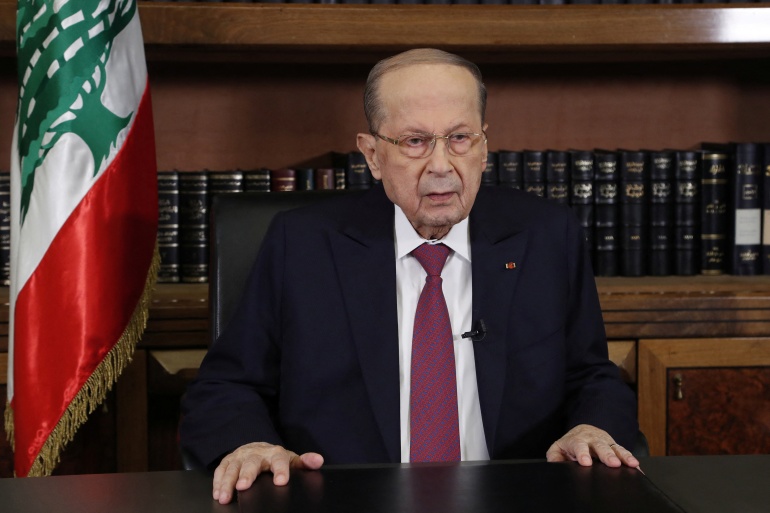
By Najia Houssari — arabnews.com — BEIRUT: Lebanese President Michel Aoun sent a cable of congratulations Friday to King Salman on the occasion of Saud Arabia’s Founding Day. “This occasion holds many bright milestones in the Kingdom’s history, which, with its vision and efforts, has managed to reserve an advanced position among the modern countries striving for broader horizons. Saudi Arabia has never spared any effort to defend the just humanitarian and Arab causes, and to preserve the unified Arab world despite all the circumstances in the region,” Aoun said. He further praised the Kingdom’s support for Lebanon and the Lebanese, hoping “bilateral ties will recover for the good of the two brotherly peoples.” Aoun also sent a cable of congratulations to Crown Prince Mohammed bin Salman, stressing the importance of this occasion, which “is one of the brightest milestones in the history of Saudi Arabia that overcame many challenges in order to build a brighter tomorrow.”
Speaking before a delegation of Arab justice ministers in Lebanon on Friday, Aoun stressed “Lebanon’s full desire to cooperate with Arab countries and show solidarity in all issues that help develop and strengthen laws and unify legislation in these countries.” He hoped that the delegation would contribute to alleviating the problems that sometimes arise between the Arab brothers. “Beirut’s doors are open to everyone, especially to the Arab brothers,” Aoun said. Arab League Secretary-General Ahmed Aboul Gheit and Assistant Secretary-General Hossam Zaki arrived in Beirut on Friday to participate in a ceremony to honor three winners of the award for the best doctoral thesis in the Arab World in the field of law and justice. Meanwhile, several pro-Syrian regime and Hezbollah figures objected to the position expressed by the Lebanese Foreign Ministry condemning the Russian invasion of Ukraine.
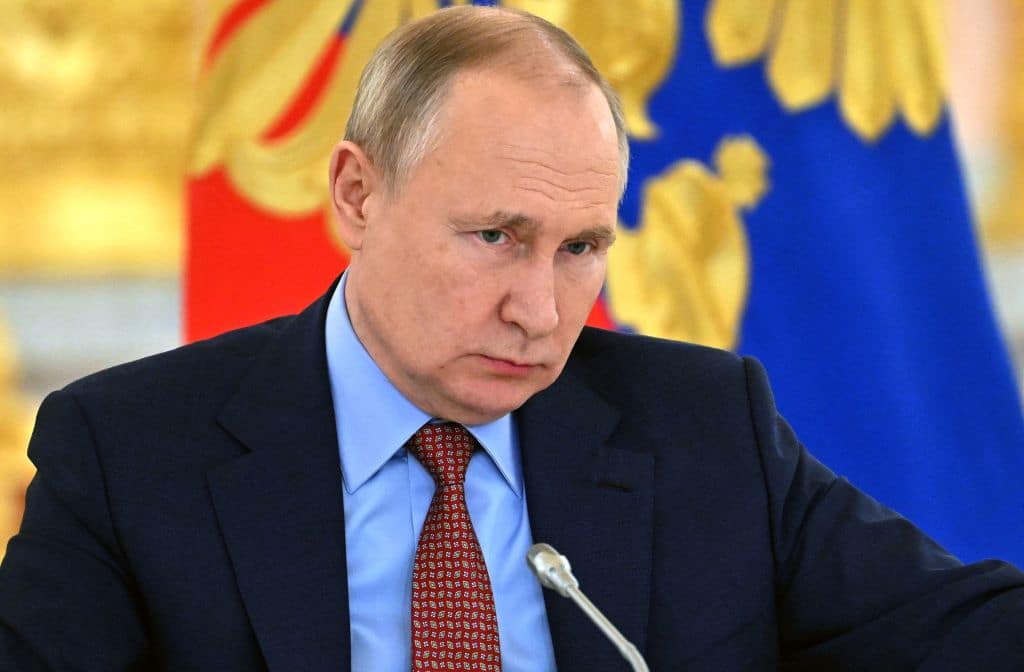
BEIRUT (Reuters) -Russia’s embassy in Lebanon was surprised by the Lebanese foreign ministry statement that condemned the Russian military operations in Ukraine, it said in a statement on its Facebook page. “The statement… surprised us by violating the policy of dissociation and by taking one side against another in these events, noting that Russia spared no effort in contributing to the advancement and stability of the Lebanese Republic,” the statement said. Lebanon condemned Russia’s invasion of Ukraine on Thursday and called on Moscow to halt its military operations at once. The foreign ministry statement led to internal criticism from some cabinet ministers, members of parliament and political parties including the powerful Iran-backed group Hezbollah. “What foreign policy is Lebanon following and where is Lebanon’s interest in that? Please clarify for us foreign minister,” Hezbollah lawmaker Ibrahim Al Moussawi wrote on Twitter. Foreign Minister Abdallah Bou Habib could not immediately be reached for comment.

Beirut (AFP) – In many countries, public libraries are considered a dying relic amid the shift to digital, but in Lebanon they are getting a new lease of life as its economy flatlines. Every Friday afternoon, Munira Khalifa takes her son Elia to a public library in Beirut for a weekly storytelling event — one of the last affordable pleasures as a crashing local currency has rendered books something of a luxury. “We had reached a point where we couldn’t find anywhere to take Elia because of the coronavirus pandemic and our difficult financial situation,” Khalifa said. She is just one of hundreds of parents who are hitting the shelves at three public libraries in Beirut in the heat of the unprecedented financial crisis.
The libraries are managed by the Assabil non-governmental group, which was founded in 1997 to promote free access to books and culture. At one of them in the neighbourhood of Bachoura, the mother and son were the first to arrive ahead of a reading. The library offered them some relief, Khalifa said, adding: “It is safe, comfortable and close to home.” “Financially, it helps us cut on costs for transportation and new books, which have become more expensive,” she told AFP. Throughout the reading, laughter abounded as a storyteller acted out a book using puppets.
Lebanese Foreign Minister: Habib By Joseph Haboush, Al Arabiya English — Lebanon’s Foreign Ministry on Thursday condemned Russia’s invasion of Ukraine and called for an immediate withdrawal of Russian forces from the neighboring country. “Lebanon condemns the invasion of Ukrainian territory and calls on Russia to halt its military operation immediately and withdraw its forces… […]
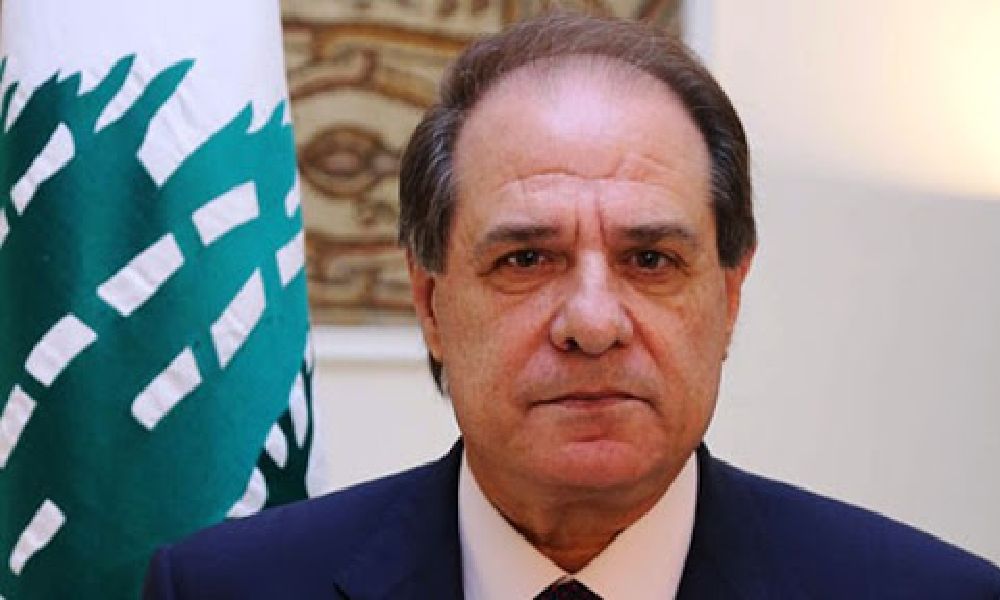
سجعان قزي
@AzziSejean
الدويلاتُ السابقةُ التي نَشأت أثناءَ مرحلةِ الحربِ اللبنانيّة بين السبعيناتِ والتسعيناتِ كانت تنتظرُ عودةَ الدولةِ اللبنانيّةِ إثرَ “اتفاقِ الطائف” لتعودَ إليها. أما دويلةُ حزبِ الله اليوم فتَنتظرُ سقوطَ الدولةِ اللبنانيّة لتَحُلَّ مكانَها. وفيما نطالبُ الدولةَ أن تَضعَ حدًّا للسلاحِ غيرِ الشرعي ـــ ولو من بابِ التمنّي ـــ تلجأُ الدولةُ إلى وسائلَ غيرِ شرعيّةٍ لتُنفِّذَ نزواتِها وتسهِّلَ سيطرةَ حزبِ الله. حتى الدولةُ لم تَعد دولةً في لبنان. معابرُ التَسلُّلِ إلى الدولةِ سائبةٌ أكثرَ من المعابرِ الحدوديّة. فَقدَت السلطةُ شرعيّتَها. ومَن يَفقِدُ شرعيّتَه لا يعودُ يرى شيئًا غيرَ شرعيٍّ. بِـتنا نَعيشُ بين الدولةِ الـمُسيَّرةِ ودويلةِ المسيَّرات.
الاستنتاجُ الأوّل: عبثيّةُ مطالبةِ سلطةِ هذه الدولةِ بحلِّ دويلةِ حزبِ الله طالما هي جُزءٌ لا يَتجزّأُ منها. والاستنتاجُ الآخَر: ضرورةُ تغييرِ السلطةِ لنبنيَ دولةً جديدةً لا تَتنازلُ عن شرعيّتها وتُنفِّذُ الدستورَ والقوانين مهما كان الثمنُ لأنَّ أيَّ ثمنٍ يَبقى أرخصَ مـمّا نَدفعُه الآن. في هذا السياق، لماذا تَتحاشى الدولةُ التزامَ القراراتِ الدُوليّةِ لاسيما القراران 1559 و1701 خَشيةَ الاشتباكِ مع حزبِ الله، ولا يَتحاشى حزبُ الله انتهاكَ الدستورِ اللبنانيِّ والقراراتِ الدُوليّةِ وتعريضَ لبنانَ لخطرٍ عسكريٍّ خَشيةَ الاشتباكِ مع الدولة؟ الجواب: الحزبُ لا يَعتبرُها والدولةُ تخافُه.
علاوةً على الدولةِ بكلِّ مؤسّساتِها المدنيّةِ والعسكريّةِ، جميعُ الأطرافِ اللبنانيّين تحاشَوا حزبَ الله وتَساهلوا معه واكتفَوا بمواقفَ إعلاميّةٍ عابرةٍ رفعِ عتَبٍ أمامَ جماهيرهم. اسْتخلَصَ الحزبُ أنْ لا أحدَ يَجرؤ على التصدّي له مهما فعل، فاطْمأنَّ على وضعِه وتمادى في ممارساتِه حتّى تجاوزَ حدودَ الأدبِ في التَفَــوُّه بكلمات كــــ”التَكْنيسِ والترحيلِ والتخوينِ”… صحيحٌ أنْ لا أحدَ يَبحثُ عن صِدامٍ مع حزبِ الله، لكن إذا تخطّى حدودَه مثلما فَعلَ في عين الرمانة فسيَجدُ الردَّ الملائِم. فالعينُ سهرانة والرُمّانةُ ملآنة.
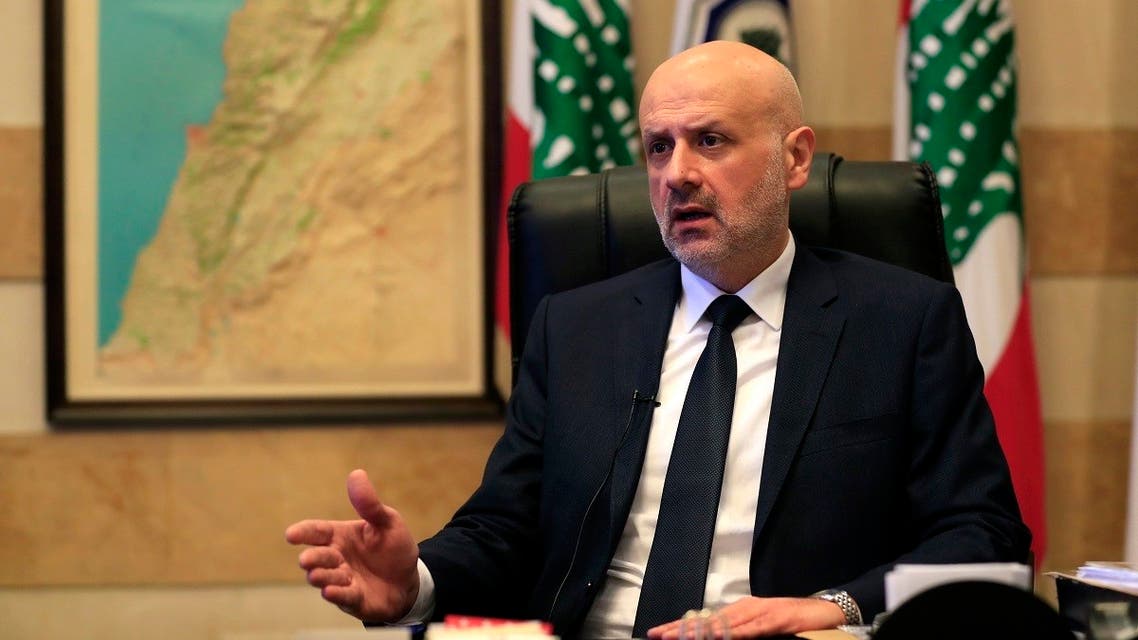
Interior Minister Mawlawi
Beirut (AFP) – Lebanon has thwarted a plan by the Islamic State group to carry out three suicide bombings targeting Shiite religious compounds in Beirut’s southern suburbs, the interior ministry said Wednesday. “A terrorist group had recruited young Palestinian men in Lebanon to carry out major bombing attacks using explosive belts” and other munitions, Interior Minister Bassam Mawlawi told a press conference. “Three separate targets were to be hit at the same time,” the ministry said, in an operation Mawlawi said would have caused significant loss of life. Lebanon’s Internal Security Forces (ISF) said the instructions for the bomb plot came from an IS operative based in the Palestinian refugee camp of Ain al-Hilweh, who is in touch with fellow Sunni extremists in Syria. The instructions were passed to an undercover agent recruited by the ISF to infiltrate IS networks in Lebanon.
On February 7, the agent was instructed to prepare attacks on a Shiite religious compound in the Al-Laylaki neighbourhood, the Imam al-Kazem compound in Haret Hreik and the Al-Nasser religious centre in Beirut’s Ouzai suburb, the ISF said. He was given three explosive vests and other weapons to conduct the attacks on February 16, the ISF added. Security forces have since identified four suspected militants residing in the Ain al-Hilweh camp who are believed to have been involved in the bomb plot. Mawlawi said two suspects had been arrested, although he did not specify whether they were among the four identified in Ain al-Hilweh. The camp outside the main southern city of Sidon is the largest Palestinian settlement in Lebanon. It has gained notoriety as a refuge for extremists and other fugitives. By longstanding convention, the Lebanese army does not enter the country’s camps, leaving security inside in the hands of Palestinian factions.

by alaraby.co.uk — Lebanese singer and former The Voice France contestant Hiba Tawaji is due to perform in Syria, an announcement that has angered Syrian fans, many unable to return to their homes in Assad-held areas due to threats to their safety. Tawaji – well known for her songs Solidaritè and La Bidaye Wala Nihaye – is due to perform at the Damascus Opera House on 9 and 10 March, officially named the Dar Al-Assad for Culture and Arts after Syria’s ruling family. It will be the first time the soprano has performed in Syria for 15 years, according to a tweet posted by the singer. Some have branded the upcoming show “shameful” as during the past decade Syrian President Bashar Al-Assad has launched a brutal assault on opposition areas, killing at least 500,000 people, mostly civilians from regime shelling and bombing.
Tens of thousands of detainees – many of them pro-democracy protesters jailed at the start of the 2011 uprising – have disappeared in regime prisons, many feared dead from torture and disease. “Mazzeh prison is only 10 minutes away, I hope the cry of the Syrians tortured under the orders of the president who gave his name to the Opera will not cover your voice,” one Twitter user wrote. Other Syrians – many exiled from their home country – have struggled to understand why the singer agreed to perform in the capital, which is controlled by a regime widely condemned for sickening acts of violence against men, women and children. “Shame on you! Singing on a floor covered with hundred thousands innocent Syrian’s blood,” another user, Nadia, wrote. “Shame now has a voice,” another tweeter, Ammar, wrote. Some fans commenting on Tawaji’s Facebook post appeared excited about the event. “We’re waiting for you and love you so much,” one fan Rana Aoun wrote, as others showered the singer with well wishes and good luck messages. “May happiness return to Syria,” Facebook user Sandy Alroom commented.
بعد تفكيك شبكات التجسس، قوى الامن الداخلي تحبط عمليات ارهابية خطيرة، الف تحية لشعبة المعلومات. الدولة تحمي الجميع والدولة فقط !
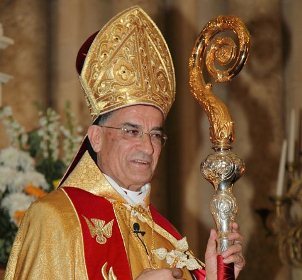
by breitbart.com — “We cannot continue like this in Lebanon,” Cardinal Béchara Boutros Raï said during his Sunday homily. The rulers “to whom are entrusted the future of the country, public money, the ports, the autonomous offices, and relations with other countries cannot continue to waste, block, and contribute to the collapse and emigration of the population.” “You cannot continue to destroy the country and impoverish its population despite the appeals launched by the whole world,” he declared, recalling that the pope himself has repeatedly made similar appeals.
The head of the Maronite Church pleaded for Lebanon to “exit from its political, economic, financial, vital and social collapse.” Officials “are sticking to their positions, destroying the country voluntarily or involuntarily and blocking the progress of the state and its institutions,” the cardinal said. “The time of hostility and divisions is over.” “The time of militias trying to bring us back to a page that has been turned is over,” he continued, in an implicit swipe at Hezbollah, which claimed to have launched a drone over Israel on Friday. “We are a united family, which has a role and a message in the East and we must know how to play this role again.”


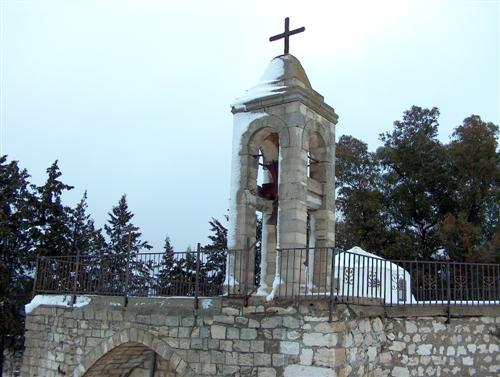
Population Movements to Keserwan - The Khazens and The Maans
ما جاء عن الثورة في المقاطعة الكسروانية
ثورة أهالي كسروان على المشايخ الخوازنة وأسبابها
Origins of the "Prince of Maronite" Title
Growing diversity: the Khazin sheiks and the clergy in the first decades of the 18th century
Historical Members:
Barbar Beik El Khazen [English]
Patriach Toubia Kaiss El Khazen(Biography & Life Part1 Part2) (Arabic)
Patriach Youssef Dargham El Khazen (Cont'd)
Cheikh Bishara Jafal El Khazen
Patriarch Youssef Raji El Khazen
The Martyrs Cheikh Philippe & Cheikh Farid El Khazen
Cheikh Nawfal El Khazen (Consul De France)
Cheikh Hossun El Khazen (Consul De France)
Cheikh Abou-Nawfal El Khazen (Consul De France)
Cheikh Francis Abee Nader & his son Yousef
Cheikh Abou-Kanso El Khazen (Consul De France)
Cheikh Abou Nader El Khazen
Cheikh Chafic El Khazen
Cheikh Keserwan El Khazen
Cheikh Serhal El Khazen [English]
Cheikh Rafiq El Khazen [English]
Cheikh Hanna El Khazen
Cheikha Arzi El Khazen
Marie El Khazen