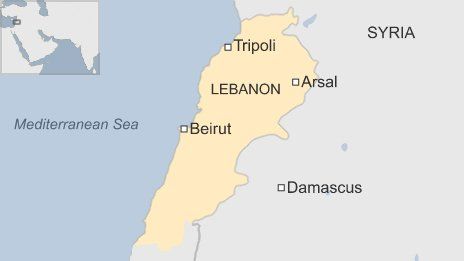
The Lebanese army’s Brig Gen Ali Mourad got a WhatsApp message from the Islamic State (IS). It was short and to the point. "We are the heroes of Qalamoun," it said, referring to the mountains on Syria’s border with Lebanon, "and we’re going to kill you."
Gen Mourad has a robust attitude to this threat.
"We want them to come, these terrorists," he told me, at one of the heavily fortified positions paid for by the British government.
"We are waiting for them [here].
"When we see them, we shoot them, all the time."
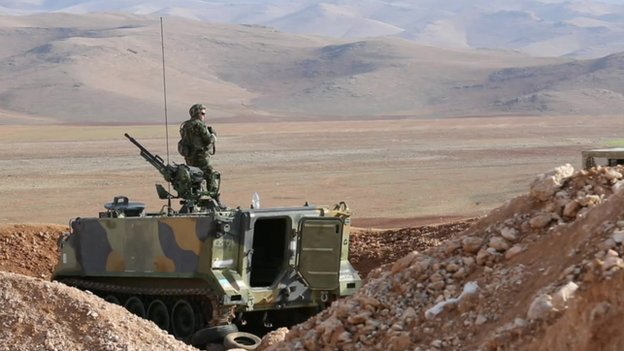
We were at Tango Ten, the 10th of 12 new posts built so far with UK money and expertise along Lebanon’s border with Syria. It looked down over a dusty plain to the snow-covered mountain that is controlled by various jihadist groups and used by them as a base to launch attacks.
The Lebanese soldiers at Tango Ten say they come under fire almost every night. They used to crouch behind a few tyres filled with concrete, "eyes like saucers, gripping the 50-cal [heavy machine gun," said one of the former British army officers advising the Lebanese. Now they have proper defences, and morale is good.
Tango Ten had shades of Northern Ireland in the guard tower and Afghanistan in the Hesco barriers – which are earth-filled defensive walls. There was even a fleet of Land Rovers parked inside. The UK has spent some £20m to stop the jihadists from invading Lebanon.
BEIRUT: The Maharat Foundation, a media watchdog, slammed Monday a policy that forces detained bloggers and Internet activists to sign a “promise of silence” before being releases, saying such documents violated freedom of speech. Bloggers who are detained after a government official or a company file a complaint over comments on social media are […]
BEIRUT: The biggest obstacle facing Lebanon’s economy lies in the fall of oil prices, which reduces the remittances it receives from Gulf countries, Central Bank Governor Riad Salameh said. But he said the bank is introducing measures to prevent a crisis from erupting. “The most notable of economic challenges that Lebanon and the Lebanese […]
Justice Minister Ashraf Rifi said politicians and judicial authorities were to blame for the procrastination to take into trial Islamist inmates at Roumieh prison. Rifi told al-Liwaa daily published on Monday that he came up with a plan to speed up their trials. “It is our duty to fix the flaws,” he said about […]
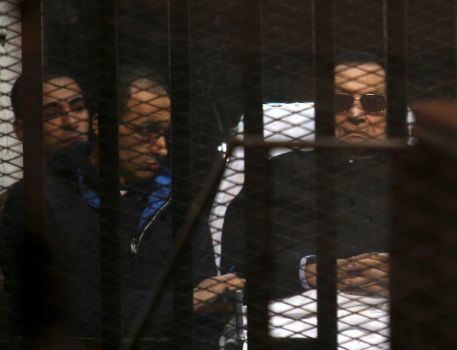
An Egyptian court on Saturday dropped its case against ousted president Hosni Mubarak on charges of ordering the killing of protesters during the 2011 revolt that removed him from power.
About 800 people were estimated to have been killed as Mubarak’s security forces fought protesters prior to his resignation in February 2011. However, the charges against Mubarak only relate to the deaths of 239 protesters whose names were listed on court documents.
Mubarak was initially convicted and sentenced to life in prison in 2012 for ordering the deaths of the protesters. That ruling was overturned on appeal and a retrial was ordered.
The murder charges were made against Mubarak, his interior minister Habib el-Adly, and six top police officials who reported to el-Adly. The court also dropped the charges against El-Adly and his six aides.
Mubarak’s lawyers argued he was unaware of the full extent of the protests or the violent crackdown against them. Since his initial sentencing, Mubarak has claimed to have suffered a series of health problems and has been wheeled in to many of his court appearances on a hospital bed.
A French Foreign Ministry official is scheduled to arrive in Lebanon in early December to discuss the latest developments linked to the presidential elections, reported the daily An Nahar on Saturday. It said that Director of the department of the Middle East and North Africa in the French Foreign Ministry Jean-Francois Giroud is expected […]
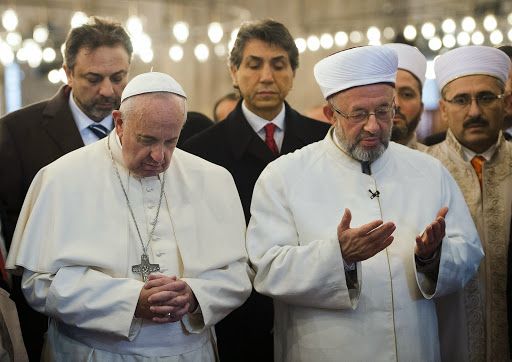
Vatican City, Nov 29, 2014 / 06:04 am (CNA/EWTN News).- During Pope Francis’ visit to Istanbul’s Blue Mosque, he paused for a moment of prayer alongside Ankara’s Grand Mufti – a moment of “interreligious dialogue” which mirrored that of his predecessor. “When they were under the Dome, the Pope insisted: ‘not only must we praise and glorify him, but we must adore him,’” Vatican spokesman Fr. Federico Lombardi S.J. told journalists Nov. 29. “Therefore it is reasonable to qualify this moment of silence a moment of silent adoration.”
“(It was) a beautiful moment of interreligious dialogue, and it the exact same thing happened in 2006 with Pope Benedict, it was exactly the same.” Fr. Lombardi offered his statement to the head of the Holy See Press Office association of journalists by telephone. The message was then relayed to the journalists present in the press center in Istanbul. Pope Francis’ visit to the historic Sultan Ahmet Mosque, known as the “Blue Mosque” due to the blue tiles covering the inside, marks the third time a Pope has ever gone inside, the first being St. John Paul II in 1979.
In his statement, Fr. Lombardi said that upon his arrival, the Roman Pontiff was greeted in the Mosque’s garden by a group of 50-60 people coming from different Christian communities – including Latin, Coptic, Syro and Armenian – as well as their bishops. President of the Turkish Episcopal Conference Bishop Smirme Franceschini offered a welcoming address before the Pope went inside.
BEIRUT: Free Patriotic Movement leader Michel Aoun vowed Friday to keep pushing for the presidential seat, insisting he is the most popular Christian candidate, and the only one who could win over March 14 votes. “There is only one faction that could secure a majority vote with March 14 and that is the Change […]
Prime Minister Tammam Salam stressed on Friday that politics in Lebanon should return to the “right path” by serving the interests of the people. He said: “We must restore normalcy to our state institutions, return to dialogue, and elect a new president.” He made his speech during the opening of Beirut’s 58th annual International […]
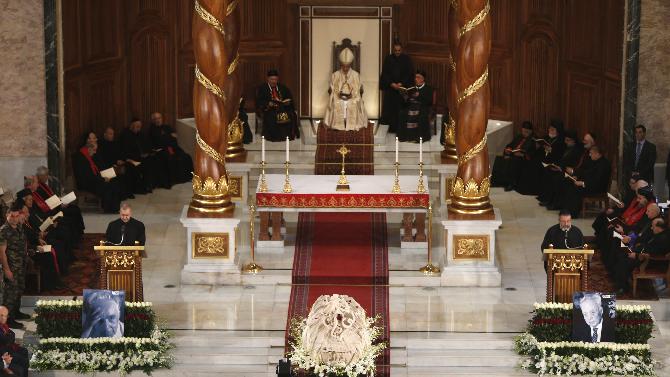
Lebanon’s Christian Maronite Patriarch Beshara al-Rai heads the prayers during the funeral of Lebanese poet Said Akl at St. Georges church in downtown Beirut December 2, 2014. Said Akl, one of Lebanon’s most prominent 20th-century poets, died on Friday at over 100 years of age. REUTERS/Mohamed Azakir (LEBANON – Tags: OBITUARY RELIGION)
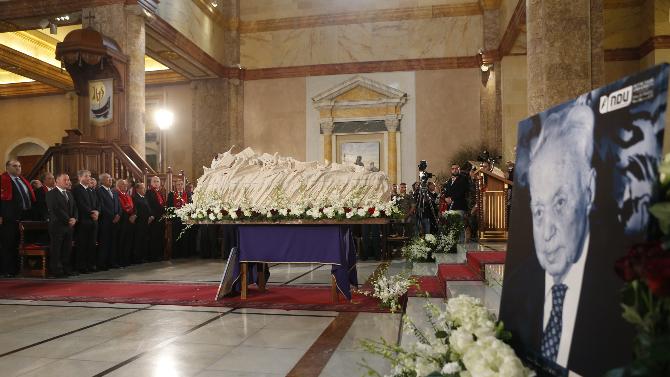
Lebanese politicians attend the funeral of Lebanese poet Said Akl at St. Georges church in downtown Beirut December 2, 2014. Said Akl, one of Lebanon’s most prominent 20th-century poets, died on Friday at over 100 years of age. REUTERS/Mohamed Azakir (LEBANON – Tags: OBITUARY RELIGION)
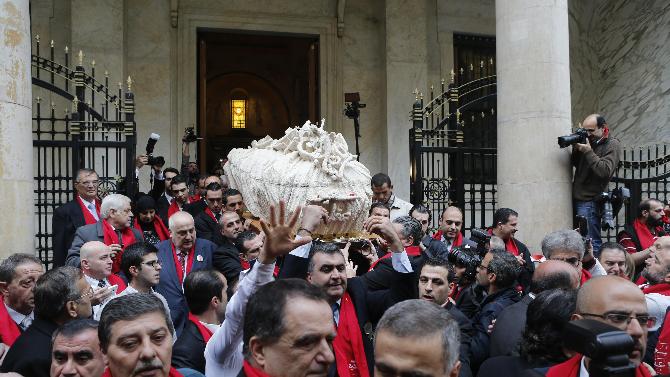
People carry the coffin of Lebanese poet Said Akl during his funeral at St. Georges church in downtown Beirut
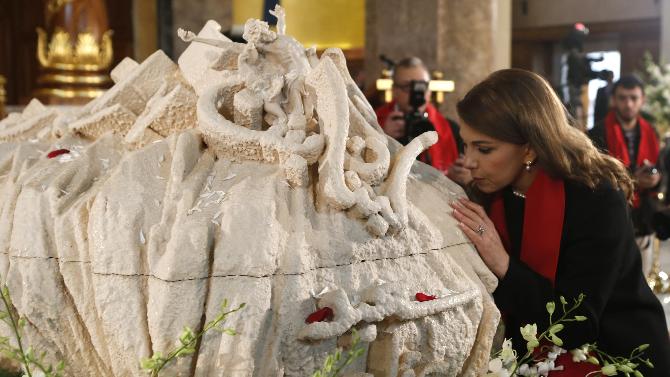
Lebanese singer Majida al-Roumi pays her respects next to a coffin bearing the body of Lebanese poet Said Akl during his funeral at St. Georges church in downtown Beirut
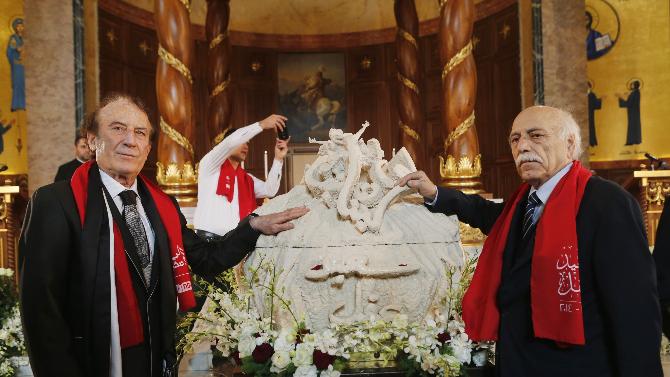
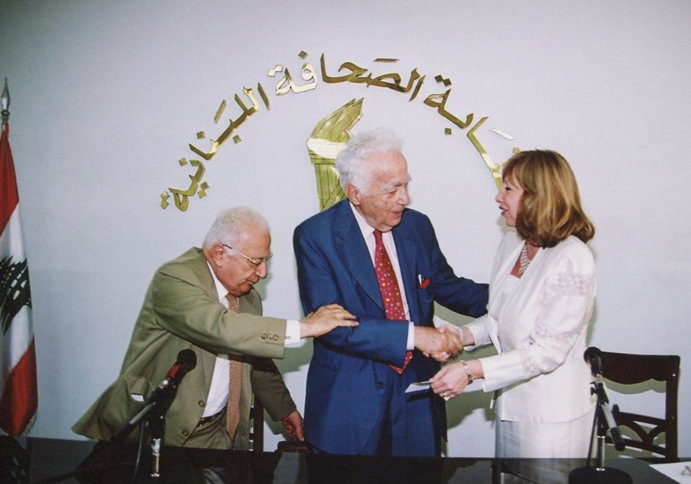
Abdel-Halim Caracalla (L), founder of the Caracalla Dance Theatre pays his respect with poet Talal Haidar next to a coffin bearing the body of Lebanese poet Said Akl during his funeral at St. Georges church in downtown Beirut December 2, 2014. Said Akl, one of Lebanon’s most prominent 20th-century poets, died on Friday at over 100 years of age. REUTERS/Mohamed Azakir (LEBANON – Tags: OBITUARY RELIGION)
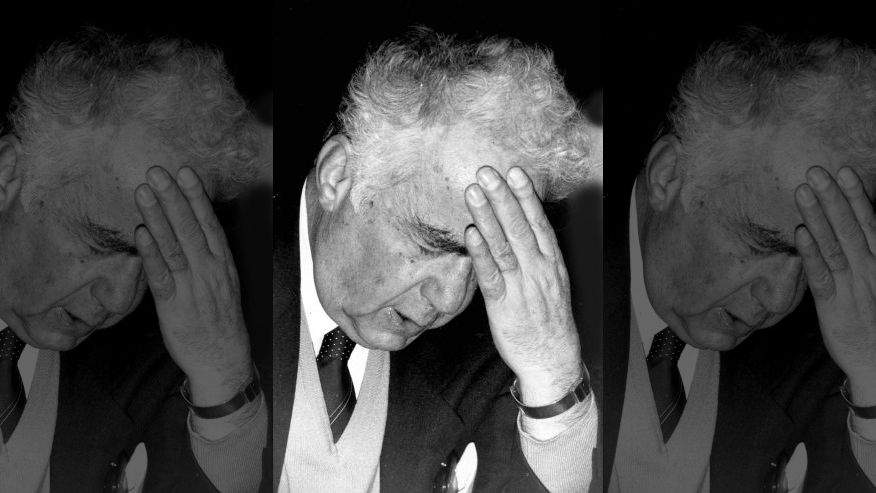
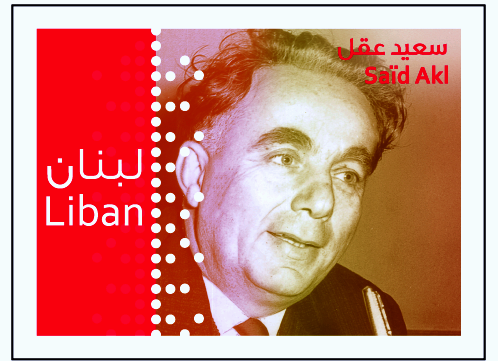
n this September, 1983 photo, Prominent Lebanese poet Saeed Akl gestures at his home, in Beirut, Lebanon. Lebanon’s state-run news agency says Saeed Akl, Lebanon’s leading poet whose fame once spread throughout the Arab world, has died. He was 102. The ultra-nationalist Akl wrote his poems in classical Arabic as well as Lebanese dialect which he used to refer to as “the Lebanese language.” (AP Photo/Stavro Jabra) (The Associated Press)
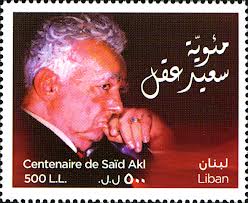
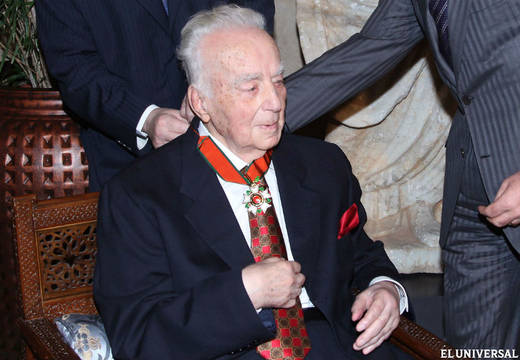
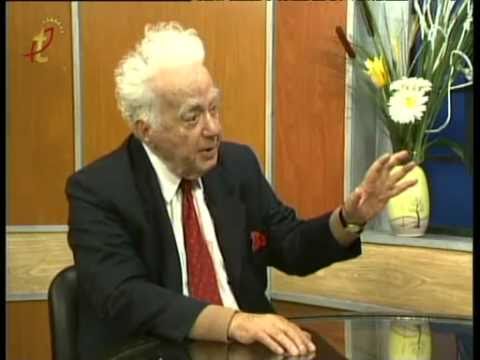
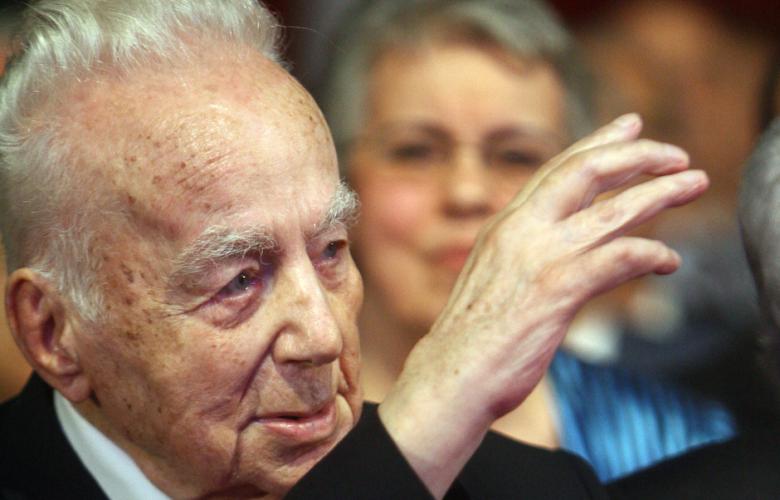
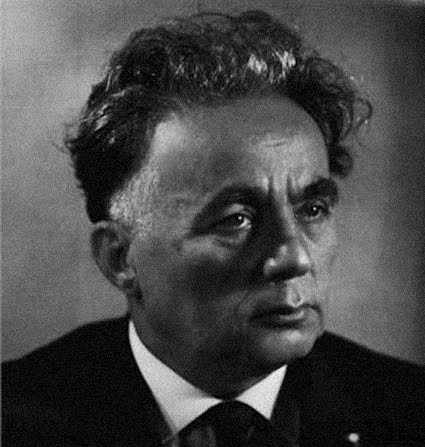
Saeed Akl, Lebanon’s leading poet whose fame spread throughout the Arab world, has died, state media and officials said Friday. He was 102. The ultra-nationalist Akl wrote his poems in classical Arabic as well as the Lebanese dialect, which he referred to as "the Lebanese language." Some of his most famous poems were sung by Lebanon’s top singer, Fayrouz, including the emotional "Take Me Back to My Country," a song that was played endlessly on radios during the country’s 15-year civil war. He also wrote a song about the Palestinian struggle, "Now, and not tomorrow, the bells of return shall ring," written after Israel seized east Jerusalem, the West Bank and the Gaza Strip in 1967.
Famous for his radical Lebanese nationalism, Akl, also known as the "Little Poet," promoted the use of Lebanese dialect written in modified Roman script rather than the modern standard Arabic and alphabet. He was defined by his Phoenician-centered nationalism, which made him popular among many Lebanese and controversial among others. After having left the Syrian Social Nationalist Party, Akl became one of the leaders of the Guardians of the Cedars, a nationalist political party created during the Lebanese Civil War which was part of the Lebanese Front forcing Palestinians miltary factions out of Lebanon.
Although mostly known for his poetry, the deceased writer was also a journalist and wrote for several newspapers such as Al-Jarida, Al-Sayyad, and had a column in Assafir in the 1990s. Considered one of the most notable modern Lebanese poets, Akl wrote in Arabic and French. His poetical works include “The Jasmine Bells,” “Poems from Her Notebook,” “Like Pillars,” and “Carving in Light.” Legendary Lebanese singer Fairouz sang more than a dozen of his poems such as “Roddani Ila Biladi” (Take Me Back to my Country), “Ghanaytu Mekka” (I sang to Mekka), “Ummi ya Malaki” (My Mother, My Angel), and “Kara’tu Majdaka” (I Read your Glory).
Akl wrote three plays in poetic form, “The Daughter of Jephthah,” “The Magdalena” and “Cadmus,” and also published prose that includes “Loubnan in Haka” (If Lebanon Were to Speak).
His funeral will take place on Tuesday, December 2 at the Saint Georges Cathedral in downtown Beirut at 11:30 am, according to Notre Dame University.
But during the 1975-1990 civil war, Akl was known for his anti-Palestinian statements, and once praised the late Israeli Prime Minister Menachem Begin for invading Lebanon.
"The hero Begin should continue cleansing Lebanon to the last Palestinian," he said in an interview in 1982, the year the Jewish State began an 18-year occupation of Lebanon. Akl was born in 1912 to a Maronite Catholic family in Lebanon’s eastern city of Zahle. After the death of his father, Akl dropped out of school at the age of 15 to help his family. He later wrote for leading Lebanese newspapers and magazines, and penned some plays. "Lebanon and the Arabs lost one of the giants of poetry," wrote former Prime Minister Saad Hariri on his Twitter account.