Lebanon was ranked in 127th place in a survey carried by graft watchdog Transparency International on corruption in the public sector in 177 countries. TI collates expert views on the problem from bodies such as the World Bank, African Development Bank, Economist Intelligence Unit, Bertelsmann Foundation, Freedom House and other groups. It then ranks […]
Lebanese may have enjoyed celebrating 70 years of independence last week. But they will also have been fully aware of something much less welcome – nine months of political gridlock. Since March, Lebanon has been unable to form a new government, parliamentary elections held in June were postponed for 18 months, and the current […]
President Michel Suleiman, caretaker Prime Minister Najib Miqati, and Army Commander General Jean Qahwaji held a meeting on Monday to tackle the latest unrest in the northern city of Tripoli between the rival Bab al-Tabbaneh and Jabal Mohsen neighborhoods, reported LBCI television, Miqati told LBCI that the gatherers agreed to “turn Tripoli into […]
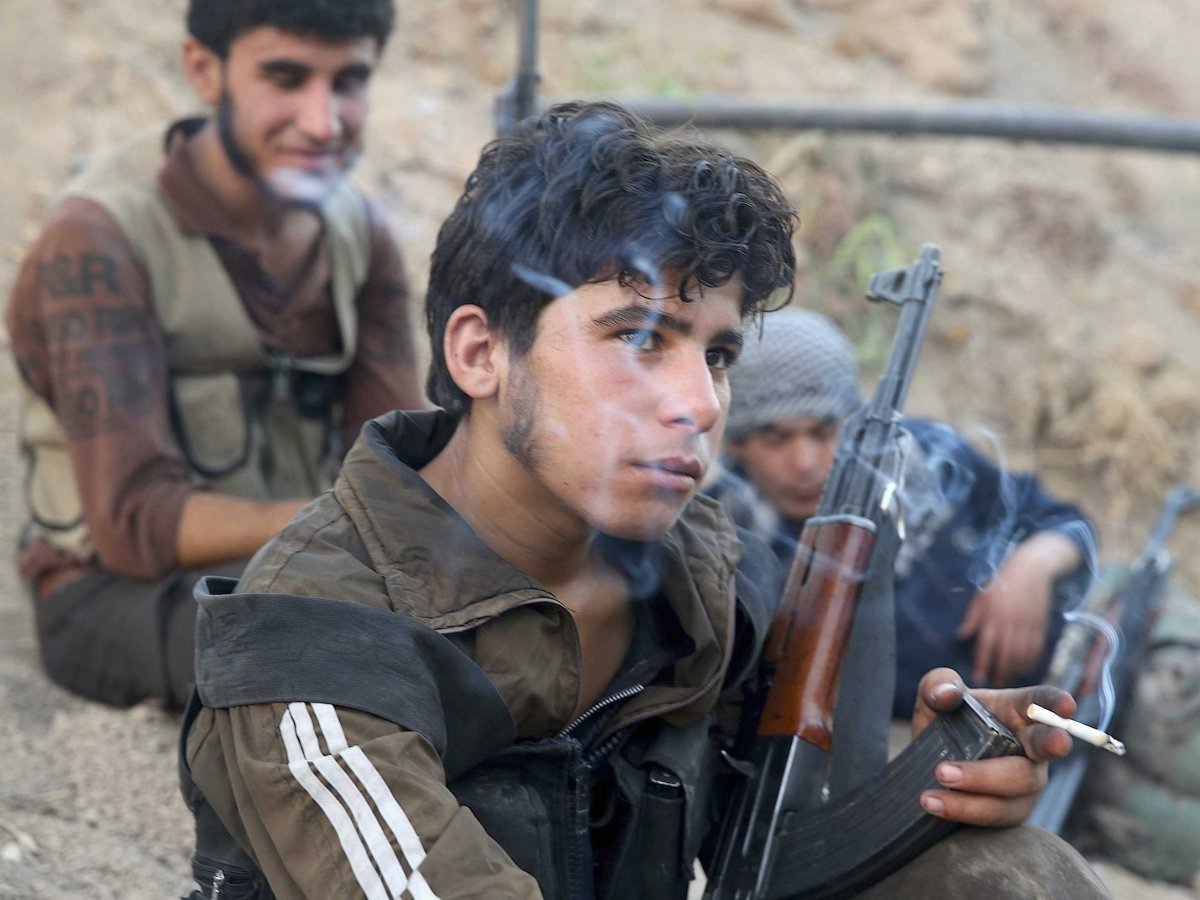
The Free Syrian Army began as a simple group of fighters battling Assad. But Ruth Sherlock, in Antakya, finds their mission is now making millions from bribery and extortion
The Free Syrian Army commander leant against the door of his four-wheel drive BMW X5 with tinted windows and watched as his men waded through the river on the Syrian border moving the barrels of smuggled petroleum to Turkey.
Feeling the smooth wedge of American bank notes he had just been given in exchange, he was suddenly proud of everything he had become.
In three short years he had risen from peasant to war lord: from a seller of cigarettes on the street of a provincial village to the ruler of a province, with a rebel group to man his checkpoints and control these lucrative smuggling routes.
The FSA, a collection of tenuously coordinated, moderately Islamic, rebel groups was long the focus of the West’s hopes for ousting President Bashar al-Assad.
But in northern Syria, the FSA has now become a largely criminal enterprise, with commanders more concerned about profits from corruption, kidnapping and theft than fighting the regime, according to a series of interviews with The Sunday Telegraph.
Researchers of criminal theory have often argued that the true objectives of terrorist attacks are not related to those who die, but to those who survive, including far from the target. This explains why their actions are called "TERRORism." The literal and conceptual senses of the word "terrorism" do not necessarily mean to kill. […]
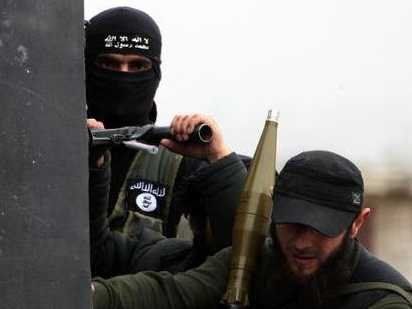
Though numbers are small, US officials concerned about Americans fighting in Syrian civil war
RALEIGH, North Carolina (AP) — Federal officials say Americans are joining the bloody civil war in Syria, raising the chances they could become radicalized by al-Qaida-linked militant groups and return to the U.S. as battle-hardened security risks.
The State Department says it has no estimates of how many Americans have taken up weapons to fight military units loyal to Syrian President Bashar Assad in the conflict that has killed more than 100,000 people over 2 ½ years. Other estimates — from an arm of the British defense consultant IHS Jane’s and from experts at a nonprofit think tank in London — put the number of Americans at a couple of dozen. The IHS group says al-Qaida-linked fighters number about 15,000, with total anti-Assad forces at 100,000 or more.
This year, at least three Americans have been charged with planning to fight beside Jabhat al-Nusrah — a radical Islamic organization that the U.S. considers a foreign terrorist group — against Assad. The most recent case involves a Pakistani-born North Carolina man arrested on his way to Lebanon.
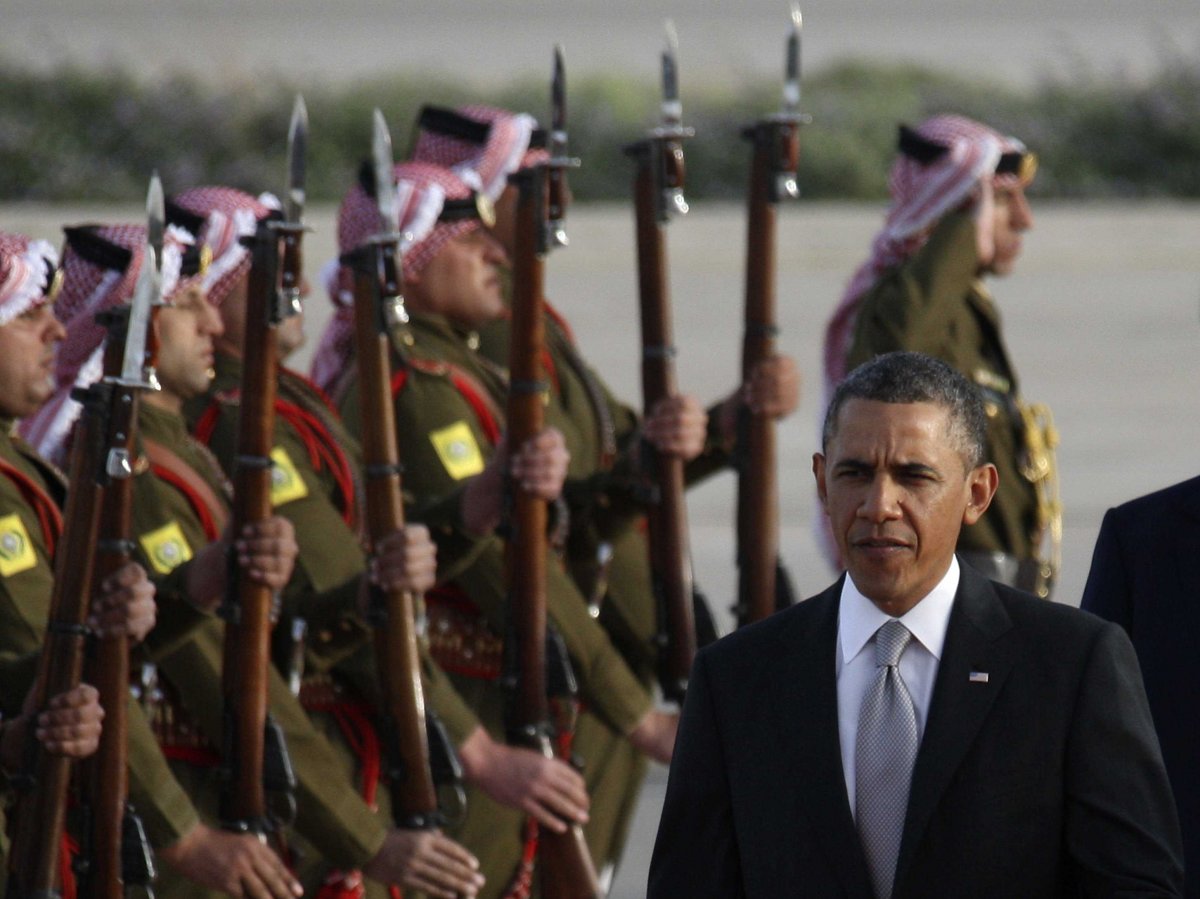
Politicians and pundits from Riyadh to Washington have castigated recent American foreign policy in the Middle East for being unfocused, misguided or harmful to national interests.
Contrary to these accusations however, the Obama policy is none of the above: It is a pragmatic approach that takes into account a progressive decline in the political and economic importance of the Middle East.
This policy change is currently making headlines in Syria where the United States, despite accusations of hypocrisy and strategic blundering, remains skittish about engaging in a conflict that is drawing in almost every other regional player, many of whom are long time American allies.
This policy change is also reflected in other recent developments in the region, such as Turkey’s courting of CPMIEC, a Chinese weapons manufacturer under US sanction, Saudi Arabia’s de-coupling from America’s intelligence networks and renewed dialogue with Iran. These diplomatic changes already reflect a very different Middle East than the one most politicians acknowledge.
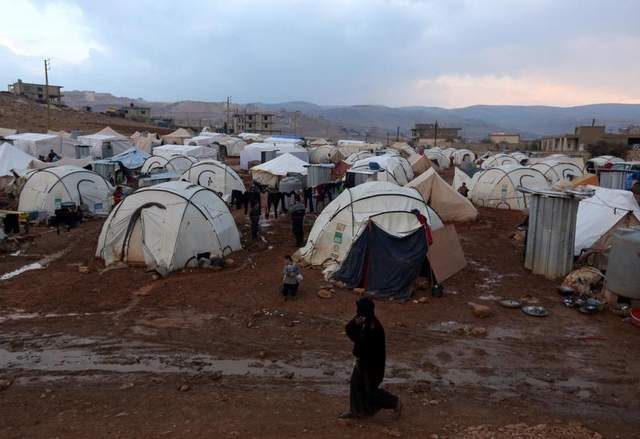
Lebanon is in danger of becoming a casualty of the war raging in neighboring Syria. It is not the fear of renewed civil war that has created this imminent crisis for Lebanon. More threatening is the flood of Syrian refugees that has overwhelmed the country, threatening it with economic collapse and challenging its capacity to survive as a nation.
It is only right that the world has focused on the terrible plight of the Syrian people. But the enormous effect on Lebanon of this continuing human tidal wave must also be considered. There are already more than 821,000 Syrian refugees in Lebanon, according to the Office of the United Nations High Commissioner for Refugees (UNHCR).
The UN agency estimates that if the Syrian war continues apace, by the end of this calendar year, the refugee total will equal a quarter of Lebanon’s normal population of 4 million.
The crisis has affected Lebanon on many levels. Because Lebanon has not built refugee camps, the Syrian exiles have moved into communities across the country. Many have crowded into low-income apartments, resulting in a housing shortage and a spike in rental rates, which have gone up by more than 40% in some areas. This has pushed some poorer Lebanese citizens out of the housing market, forcing them to become “internally displaced persons.”
A leading hotelier warned Thursday of grave consequences to Lebanon’s hotel industry if the crisis in Syria persists. “If the situation in Syria remains the same, the hotel industry will be in real danger because many hotels witnessed a sharp drop in their business this year, [with] many of them indebted to banks,” co-owner […]
The Lebanese are wondering what the recent interim deal over Iran’s nuclear program means for them. There is a proverb that says, “If you sit by the river long enough, you will see the body of your enemy float by.” In Lebanon, sit by the river long enough, and you will see the region’s […]




Population Movements to Keserwan - The Khazens and The Maans
ما جاء عن الثورة في المقاطعة الكسروانية
ثورة أهالي كسروان على المشايخ الخوازنة وأسبابها
Origins of the "Prince of Maronite" Title
Growing diversity: the Khazin sheiks and the clergy in the first decades of the 18th century
Historical Members:
Barbar Beik El Khazen [English]
Patriach Toubia Kaiss El Khazen(Biography & Life Part1 Part2) (Arabic)
Patriach Youssef Dargham El Khazen (Cont'd)
Cheikh Bishara Jafal El Khazen
Patriarch Youssef Raji El Khazen
The Martyrs Cheikh Philippe & Cheikh Farid El Khazen
Cheikh Nawfal El Khazen (Consul De France)
Cheikh Hossun El Khazen (Consul De France)
Cheikh Abou-Nawfal El Khazen (Consul De France)
Cheikh Francis Abee Nader & his son Yousef
Cheikh Abou-Kanso El Khazen (Consul De France)
Cheikh Abou Nader El Khazen
Cheikh Chafic El Khazen
Cheikh Keserwan El Khazen
Cheikh Serhal El Khazen [English]
Cheikh Rafiq El Khazen [English]
Cheikh Hanna El Khazen
Cheikha Arzi El Khazen
Marie El Khazen