By John Bell.
There was once a Turkish tradition of shadow puppets that children and adults would watch throughout the Ottoman Empire. The characters were called Karagoz and Hacivat, the former meaning "Black Eye" in Turkish after the character's dark and haunting look. Over time, in Lebanon and elsewhere, the term went on to mean a clown or joker, or Karagoz.
Today, politics in Lebanon reflect both meanings of that term: the clown and the puppet show. Every evening, Lebanese are entertained on the TV news by the splendiferous view of their politicians meeting and greeting each other.
Nothing much gets done - there is no president and only a transitional government. But, there they are, the well known cast trading deals and whispers that, like the unrequited love of Victorian novels, never transpire. It may be harsh to call them clowns, but the charade, the endless soap opera, does go on and on.

For a lot of people who do not know Beirut, it is a city of chaos. But for those who have had a taste of it, the city can be described as a rebellious beauty with an eclectic mix that continues to inspire and attract its people and those who have seen her. Evidence of that is the upcoming Beirut Art Fair, which will take place on September 15 to 18 with 18 countries participating in the event.
This is only just the beginning because Beirut's art scene is alive and kicking. At the end of September, Beit Beirut, a center that holds memories of conflict and chaos in the country, will open its doors to the public. And there's more to Beirut that would make any art enthusiast cry out with glee. Here are a few places to go to and a few things to do in Beirut:
Sursock Museum is the headliner of the art scene in Beirut. This contemporary art gallery has a very colorful past being a sniper outpost during the civil war. Headed by French architect Jean-Michel Wilmotte, the building has been beautifully preserved together with the bullet pockmarks that serve as a reminder to the city's past turmoil.
By Tarek Ali Ahmad
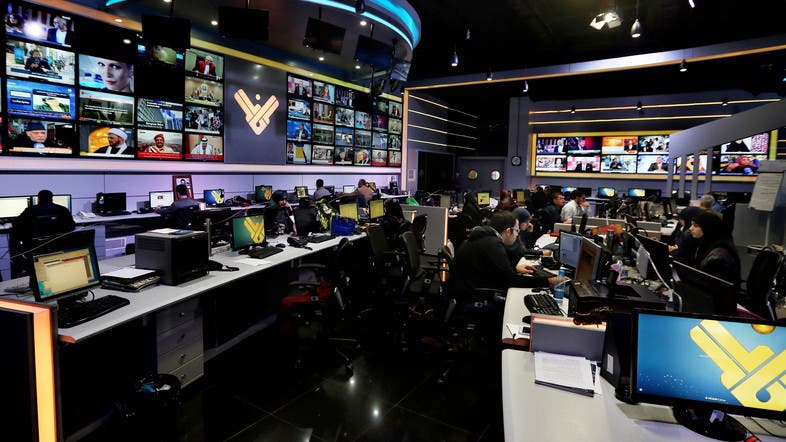
What has been a growing fear in the minds of those who work in Lebanon’s media industry is slowly becoming a reality. Journalists and news presenters are being sent to the chopping block due to budget cuts, the rise of online journalism and political factors.

By Joseph A. Kechichian, Gulf news Senior Writer
Beirut: “There are no channels of communication or any exchange of words or greetings,” declared former commander of the Internal Security Forces (ISF) Ashraf Rifi to the MTV television network as he confirmed that ties with Future Movement leader, the former Prime Minister Sa‘ad Hariri, had been “totally severed”.
“Hariri is finished,” said Rifi in what was an unprecedented political bombshell, adding that Lebanese Sunnis were “awaiting for a new Hariri”. These sharp words from Rifi, who joined the March 14 coalition after he retired from the powerful ISF and even accepted one of the most critical government portfolios in the Tammam Salam Cabinet, shook the political establishment.
Although accustomed to polarisation, the winner of the early June 2016 Tripoli municipality elections — when he formed an alternative list that defeated Lebanon’s three Sunni billionaires (Hariri, Mohammad Safadi and Najib Mikati) — helped dejected Sunnis open a new page in politics, and permitted him to claim that Hariri had lost his influence in the community.
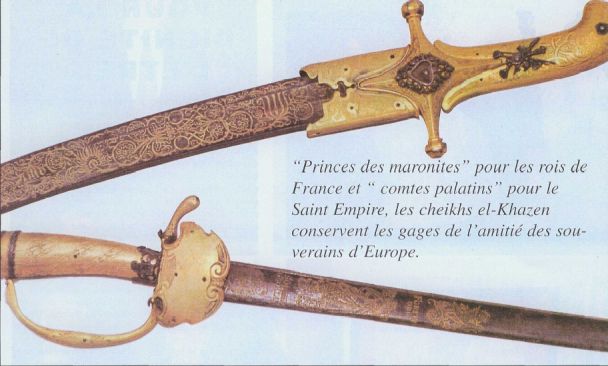
Population Movements to Keserwan - The Khazens and The Maans
ما جاء عن الثورة في المقاطعة الكسروانية
ثورة أهالي كسروان على المشايخ الخوازنة وأسبابها
Origins of the "Prince of Maronite" Title
Growing diversity: the Khazin sheiks and the clergy in the first decades of the 18th century
Historical Members:
Barbar Beik El Khazen [English]
Patriach Toubia Kaiss El Khazen(Biography & Life Part1 Part2) (Arabic)
Patriach Youssef Dargham El Khazen (Cont'd)
Cheikh Bishara Jafal El Khazen
Patriarch Youssef Raji El Khazen
The Martyrs Cheikh Philippe & Cheikh Farid El Khazen
Cheikh Nawfal El Khazen (Consul De France)
Cheikh Hossun El Khazen (Consul De France)
Cheikh Abou-Nawfal El Khazen (Consul De France)
Cheikh Francis Abee Nader & his son Yousef
Cheikh Abou-Kanso El Khazen (Consul De France)
Cheikh Abou Nader El Khazen
Cheikh Chafic El Khazen
Cheikh Keserwan El Khazen
Cheikh Serhal El Khazen [English]
Cheikh Rafiq El Khazen [English]
Cheikh Hanna El Khazen
Cheikha Arzi El Khazen
Marie El Khazen