by Michael Karam Twenty years ago, I was the editor-in-chief of Visitor, a quarterly magazine published on behalf of the Lebanese ministry of tourism. I can’t remember how I got the job, but I recall the previous editor was leaving and he suggested my name to a rather desperate owner (affectionately known as "the chief"), who had won the government contract after decades of doing business in West Africa. The idea was he would create the content and print the magazine and make money from advertising sales.
It seemed like a good idea. The chief presumed the ministry’s backing would convince advertisers to place full-page ads, especially given that it had been hinted the magazine would be placed on Middle East Airlines, whose in-flight magazine – the perennially poor Cedarwings – charged top dollar for a full-page advertisement. Hotels, car hire companies, shops and the like were also in his cross hairs.
The first reality check was when Cedarwings pulled some serious strings to ensure Visitor never saw the inside of an Airbus. We didn’t really take it too seriously and the feeling was this was just a misunderstanding that would eventually be resolved. To soften the blow, the chief was awarded another contract, for a business magazine that promoted Lebanon as a financial hub with mouthwatering investment opportunities, and the chief was assured all the top banks would advertise.

Daily Star.com.lb BEIRUT: Around 10,000 Lebanese nationals have been forced from their jobs over the past year to be replaced with "foreigners," Labor Minister Sejaan Azzi said Saturday, using a euphemism for Syrian refugees. In an interview with LBCI, Azzi blamed the replacement of Lebanese workers by a less expensive workforce for the increasing unemployment rates.
“There is a case of firing and replacing Lebanese workers in the country that is big and scary. The main reason [for their firing] is not because of the economic situation, but because the Lebanese employees are being replaced by foreigners,” Azzi said. He said that some companies were creating “situations” for the employees to force them to resign from their jobs.
He warned that his ministry will be referring companies that are replacing Lebanese workers with foreigners to the judiciary. This comes one day after the ministry issued a statement warning of a crackdown against unlicensed companies and cautioning company bosses against replacing Lebanese workers with Syrians.
by Business Insider – This weekend, as Olympian Usain Bolt attempts to win all three gold medals in sprinting, it’s not just about what …

by Mimi Kirk
It’s been a little over a year since the beginning of Beirut’s garbage crisis, which saw piles and piles of trash—indeed, an entire river of the stuff—flooding the Lebanese capital and its suburbs. When the government closed the city’s main landfill in July 2015, it had 15 million tons of garbage in it—13 million more than it was meant to. Because the government had not secured a new landfill, trash collection stopped. Mounds of rubbish accumulated in the streets.
The stench and sight of the trash spurred a protest movement, aptly dubbed You Stink. Hassan Chamoun, the movement’s photographer and videographer, tells CityLab that he and his fellow activists would collect garbage around the city—from, say, the teeming Beirut River—and pass it to NGOs to dispose of. “We were saying to the government that we don’t need you, we can take care of things ourselves,” he says.
The crisis, while not resolved, has calmed since the spring of 2016, when the government started using temporary landfills. At the same time, there’s been a shift among Beirut’s residents in their approach to garbage. Some who didn't give their trash a second thought before the crisis are now recycling and even spearheading sorting and disposal initiatives. “Even I began to separate my garbage for recycling after the crisis started,” says Chamoun.

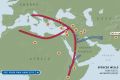


Population Movements to Keserwan - The Khazens and The Maans
ما جاء عن الثورة في المقاطعة الكسروانية
ثورة أهالي كسروان على المشايخ الخوازنة وأسبابها
Origins of the "Prince of Maronite" Title
Growing diversity: the Khazin sheiks and the clergy in the first decades of the 18th century
Historical Members:
Barbar Beik El Khazen [English]
Patriach Toubia Kaiss El Khazen(Biography & Life Part1 Part2) (Arabic)
Patriach Youssef Dargham El Khazen (Cont'd)
Cheikh Bishara Jafal El Khazen
Patriarch Youssef Raji El Khazen
The Martyrs Cheikh Philippe & Cheikh Farid El Khazen
Cheikh Nawfal El Khazen (Consul De France)
Cheikh Hossun El Khazen (Consul De France)
Cheikh Abou-Nawfal El Khazen (Consul De France)
Cheikh Francis Abee Nader & his son Yousef
Cheikh Abou-Kanso El Khazen (Consul De France)
Cheikh Abou Nader El Khazen
Cheikh Chafic El Khazen
Cheikh Keserwan El Khazen
Cheikh Serhal El Khazen [English]
Cheikh Rafiq El Khazen [English]
Cheikh Hanna El Khazen
Cheikha Arzi El Khazen
Marie El Khazen