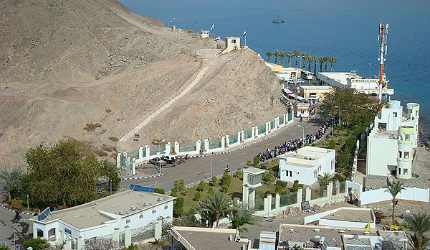
by reuters -- BEIRUT — Lebanese and Israeli leaders finalized a U.S.-brokered maritime demarcation deal on Thursday, bringing a measure of accommodation between the enemy states as they eye offshore energy exploration. Leaders from Lebanon, Israel and the U.S. have all hailed the deal as “historic” but the possibility of a wider diplomatic breakthrough remains slim. As a result, there was no joint signing ceremony. Lebanese President Michel Aoun signed a letter approving the deal at his palace in Baabda in the presence of the U.S. official who mediated the accord, Amos Hochstein. “We have heard about the Abraham Accords,” said top Lebanese negotiator and deputy parliament speaker Elias Bou Saab, referring to the 2020 U.S.-brokered normalization of ties between Israel and the UAE and Bahrain. “Today there is a new era. It could be the Amos Hochstein accord.” Israeli Prime Minister Yair Lapid signed separately in Jerusalem, saying the deal was a “tremendous achievement” that had produced Lebanon’s de facto recognition of Israel. “It is not every day that an enemy country recognizes the state of Israel, in a written agreement, in view of the international community,” Lapid told his cabinet in broadcast remarks.
In a pre-recorded interview aired later on Thursday, Aoun said delineating the boundary would prevent war with Israel and that the full status of the southern border would be resolved later through “dialogue.” But he insisted the accord did not constitute a peace agreement with Israel, after having earlier said the deal was purely “technical” and would have “no political dimensions or impacts that contradict Lebanon’s foreign policy.” Lebanon does not recognize Israel’s right to exist and still considers itself at war with its neighbor, with laws barring contact with Israeli officials. It is not every day that an enemy country recognizes the state of Israel, in a written agreement, in view of the international community. — Israeli Prime Minister Yair Lapid “Confidence-building measure” Lower-level delegations from each country headed to the United Nations’ peacekeeping base at Naqoura along their contested land border, which has yet to be delineated.
by famagusta-gazette.com — In the midst of a protracted economic crisis, Lebanese wineries are eyeing the lucrative Chinese market, calling for a …
By David Sadler — Today, an official Lebanese delegation is heading to the border area of Naqoura, to deliver the American mediator, …
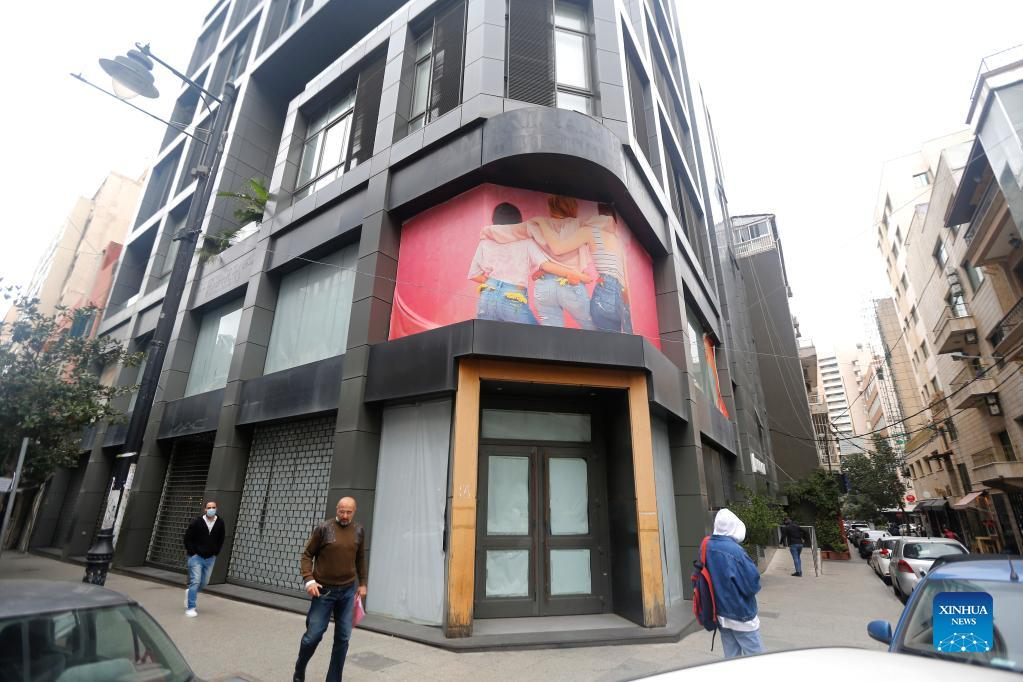
by business-standard.com -- Zara owner Inditex has reached an agreement to sell its Russian business to a Lebanese retail and real estate conglomerate, the Spanish fashion giant said on Tuesday in a statement to the country's competition authorities. The buyer is Daher Group and the potential purchase is pending approval from Russian authorities, Inditex said, without disclosing financial details.
Inditex halted its business in Russia on March 5, shortly after Russian President Vladimir Putin ordered the invasion of Ukraine at the end of February. Following other western brands, the fashion retailer closed its 502 shops and stopped online sales. Tuesday's announcement marks the end of Inditex's business in Russia, although the retailer said it would consider returning through a franchise collaboration with Daher if market circumstances changed. The statement to CNMC, the commission that oversees competition in Spain, made no direct reference to the war in Ukraine. The sale agreement includes the transfer of most of the lease contracts of its existing stores, which Inditex says will enable the preservation of a substantial number of jobs generated by the group. Founded in 1975 by Amancio Ortega, Inditex' rapid success hinged on the ability to serve new fashion collections in record time. It currently operates several brands globally, including Massimo Dutti, Bershka, Pull & Bear and Oysho.
About Daher Group
The Lebanese Daher family have become billionaires by opening 55 fashion and lifestyle brands in 14 countries in the Middle East and North Africa. The Daher brothers — Wassim, Said, and Hasan — own Azadea Group, a Beirut-based company that own and manage 600 retail outlets, including Max Mara, Sunglass Hut, Massimo Dutti, and Zara, among others. Azadea’s largest collection of stores are in mega malls in the United Arab Emirates, which is the company’s most profitable country, according to a former Azadea senior executive. The company employs 11,000 people and the brothers are estimated to have a fortune of at least $1.4 billion, according to the Bloomberg Billionaires Index. Wassim Daher founded the company in 1978 as a multi-brand clothing store in Hamra Beirut. His brother Hasan and Said later joined the company as managing director and chief executive, respectively.




Population Movements to Keserwan - The Khazens and The Maans
ما جاء عن الثورة في المقاطعة الكسروانية
ثورة أهالي كسروان على المشايخ الخوازنة وأسبابها
Origins of the "Prince of Maronite" Title
Growing diversity: the Khazin sheiks and the clergy in the first decades of the 18th century
Historical Members:
Barbar Beik El Khazen [English]
Patriach Toubia Kaiss El Khazen(Biography & Life Part1 Part2) (Arabic)
Patriach Youssef Dargham El Khazen (Cont'd)
Cheikh Bishara Jafal El Khazen
Patriarch Youssef Raji El Khazen
The Martyrs Cheikh Philippe & Cheikh Farid El Khazen
Cheikh Nawfal El Khazen (Consul De France)
Cheikh Hossun El Khazen (Consul De France)
Cheikh Abou-Nawfal El Khazen (Consul De France)
Cheikh Francis Abee Nader & his son Yousef
Cheikh Abou-Kanso El Khazen (Consul De France)
Cheikh Abou Nader El Khazen
Cheikh Chafic El Khazen
Cheikh Keserwan El Khazen
Cheikh Serhal El Khazen [English]
Cheikh Rafiq El Khazen [English]
Cheikh Hanna El Khazen
Cheikha Arzi El Khazen
Marie El Khazen