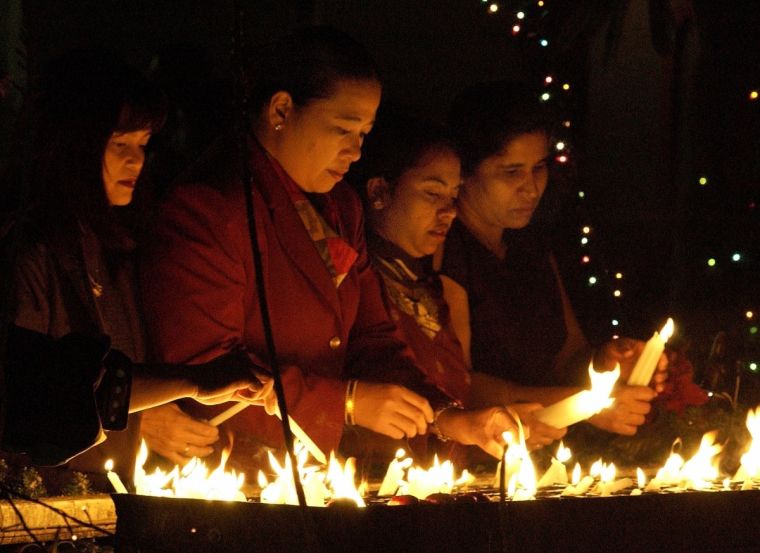
As millions of Christians flee the Middle East and Christianity's original homeland becomes increasingly bereft of Christians, an odd anomaly is occurring.
Christianity in the Gulf states is surging. Amid a shocking exodus in neighbouring countries, this strictly Islamic region has seen a jump in its Christian population.
Figures show that in both Saudi Arabia and the United Arab Emirates, Christianity was practically non existent just over a hundred years ago. There were only 80 Christians in the UAE in 1910 (0.1 per cent of the population) and 50 in Saudi Arabia, even less than 0.1 per cent, according to a recent study.
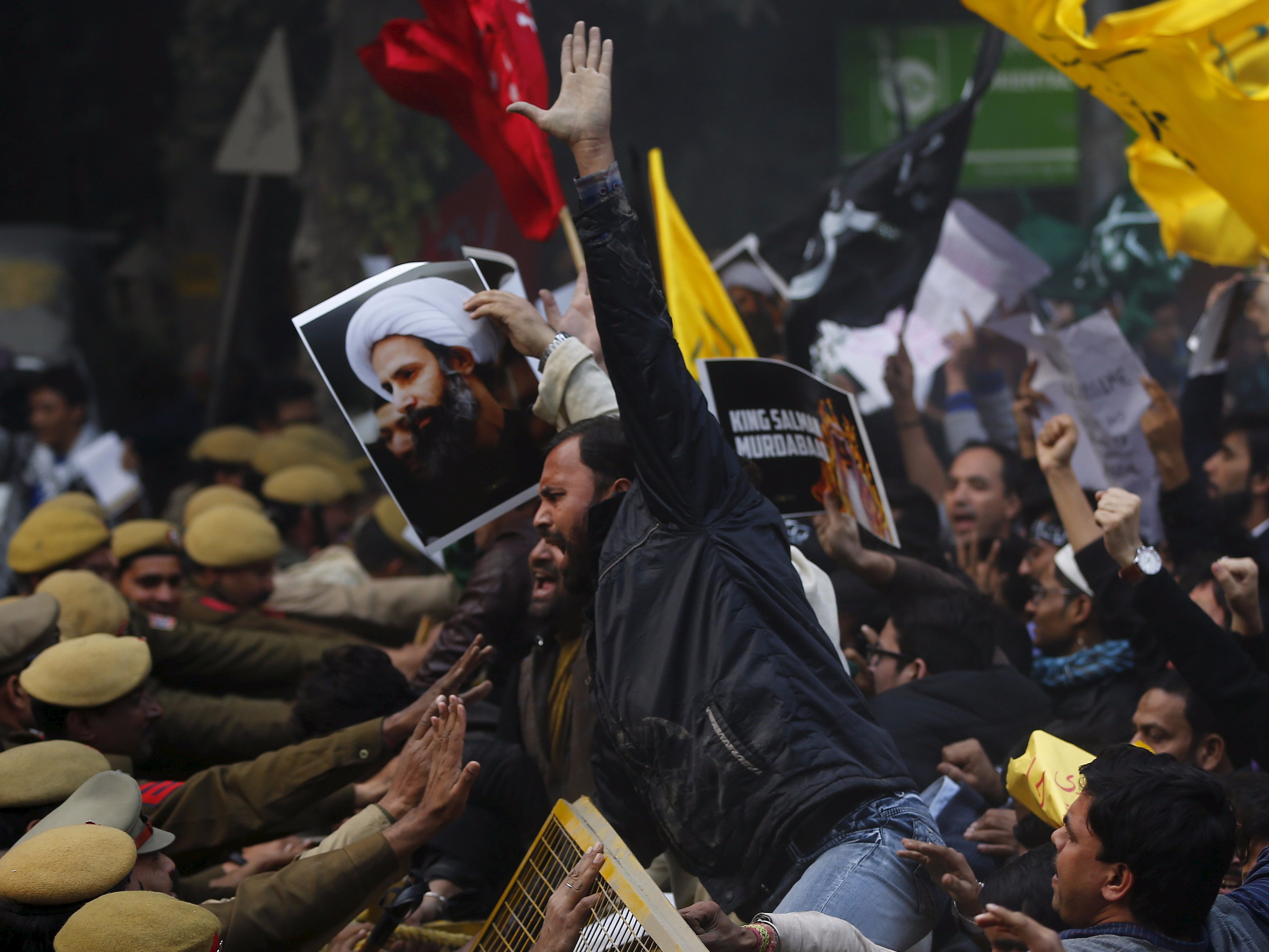
Sectarian divisions in the Middle East are only getting worse, and there's little sign that tensions in the region will abate before they explode into war, experts say.
The Soufan Group, a New-York based strategic security firm, said in a note on Friday that the "weaponization of sectarianism," fueled by the divide between Sunni and Shia Muslims, is the "greatest threat facing the Middle East."
"In a region beset with chronic and widespread problems, ranging from poor governance, war, violent extremism, and resource scarcity, one threat stands above the rest in terms of potential for destruction and cost in opportunity: the use of sectarianism as a geopolitical weapon," the firm wrote.
catholicHerald.co.uk
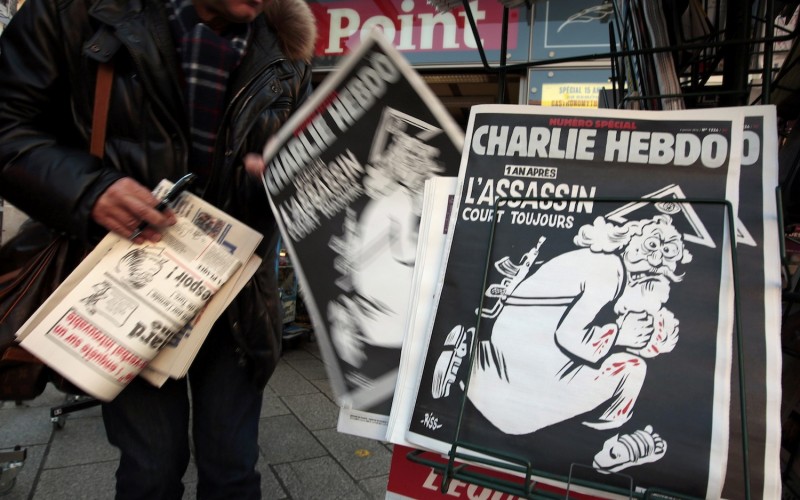
One year after the attack on the French satirical magazine Charlie Hebdo, the nation’s bishops asked what people learned and emphasised that religions must live and work together in society.
“Have these tragic events provoked some genuine awakening, and have we offered perspectives for the society of tomorrow by learning lessons from the past?” asked a January 6 statement from the French bishops’ conference.
“It is certainly urgent to listen to our youth and offer them prospects for fulfilment and success. But the Church stresses that we must imagine and build our country’s future together in mutual respect, recognising everyone’s contribution to the collectivity. Every suspicious glance at religions injures believers and serves to exclude them from the national community.”
By Thanassis Cambanis
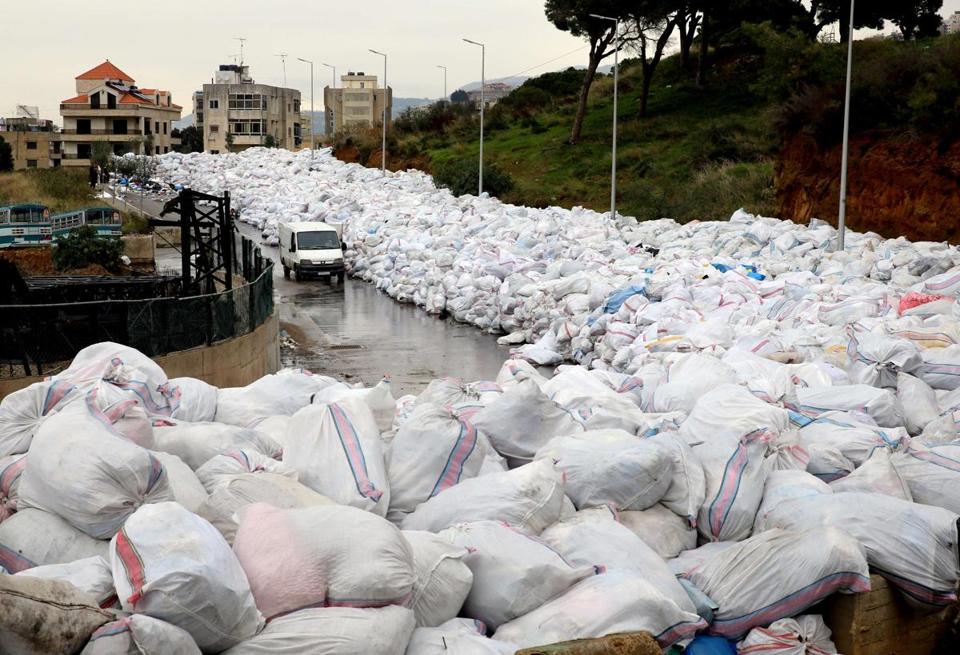
I used to feel smug about Lebanon’s dysfunction when I moved here from New York three years ago. I knew the country well as a frequent long-term visitor. I had reported the 2006 war from the battlefields in Lebanon’s south and subsequently criss-crossed it while researching a book. However familiar and modern Lebanon seemed, I was convinced that it lay in the category of failed states, its problems of an entirely different nature than those facing the United States.
hen two critical things changed, evaporating my smugness and leaving in its place a sort of dread that I fear might never leave me. I began to really live here, raising my family and establishing a home. Soon after, I realized the paralysis and failures that mar Lebanon are not so far removed from the pathologies of the United States.

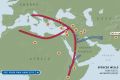

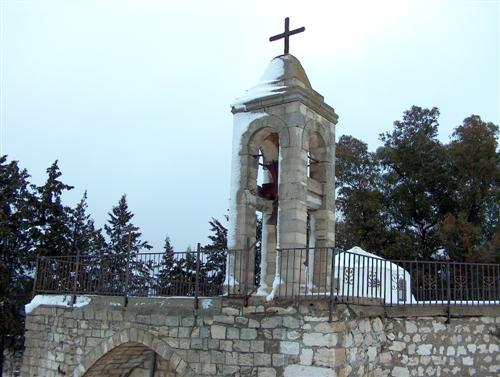
Population Movements to Keserwan - The Khazens and The Maans
ما جاء عن الثورة في المقاطعة الكسروانية
ثورة أهالي كسروان على المشايخ الخوازنة وأسبابها
Origins of the "Prince of Maronite" Title
Growing diversity: the Khazin sheiks and the clergy in the first decades of the 18th century
Historical Members:
Barbar Beik El Khazen [English]
Patriach Toubia Kaiss El Khazen(Biography & Life Part1 Part2) (Arabic)
Patriach Youssef Dargham El Khazen (Cont'd)
Cheikh Bishara Jafal El Khazen
Patriarch Youssef Raji El Khazen
The Martyrs Cheikh Philippe & Cheikh Farid El Khazen
Cheikh Nawfal El Khazen (Consul De France)
Cheikh Hossun El Khazen (Consul De France)
Cheikh Abou-Nawfal El Khazen (Consul De France)
Cheikh Francis Abee Nader & his son Yousef
Cheikh Abou-Kanso El Khazen (Consul De France)
Cheikh Abou Nader El Khazen
Cheikh Chafic El Khazen
Cheikh Keserwan El Khazen
Cheikh Serhal El Khazen [English]
Cheikh Rafiq El Khazen [English]
Cheikh Hanna El Khazen
Cheikha Arzi El Khazen
Marie El Khazen