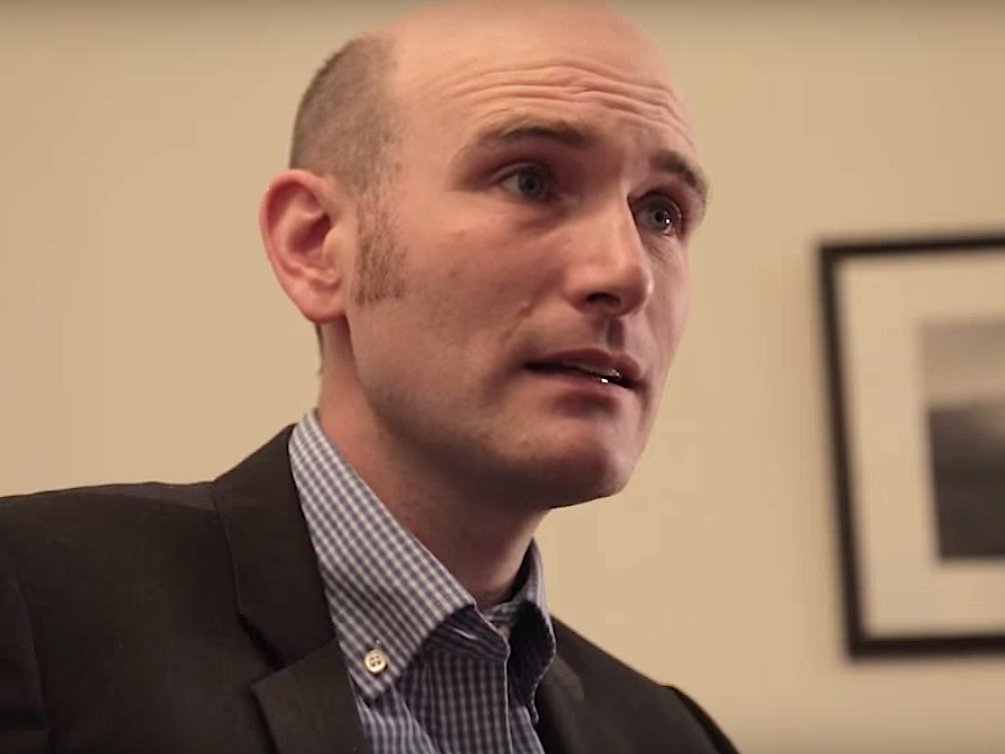
A French journalist who was held hostage by Isis for 10 months has spoken out against air strikes in Syria, saying they represent “a trap” for Britain and other members of the international community.
Speaking in an interview with The Syria Campaign, Nicolas Henin put forward his strategy for combatting the militant group – a no-fly zone in opposition-held areas of Syria.
Mr Henin has previously spoken about how he was held for seven months in Syria itself, and how British national Mohammed Emwazi – known as Jihadi John – was among the jailors who subjected him to physical and psychological torture.
"Strikes on Isis are a trap,” he said.
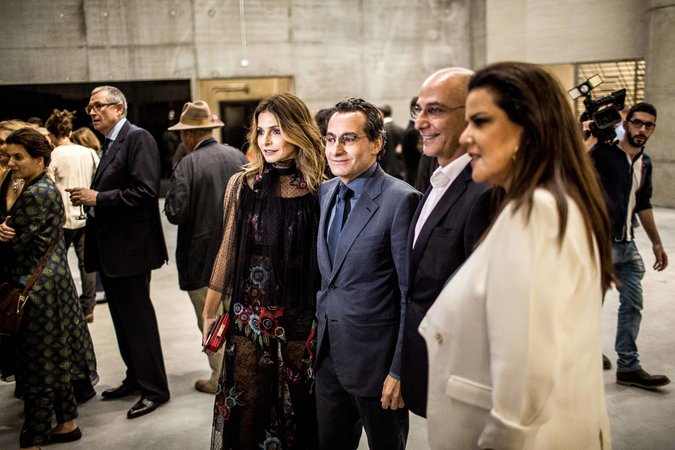
Tony Salamé, center, and his wife, Elham, left, at the opening of the Aishti Foundation in Beirut
BEIRUT — On a warm evening this fall, the cultural scene here was in full bloom. Members of the international art world, Lebanese government ministers and fashion executives had gathered to celebrate the grand opening of the Aishti Foundation, a private museum showcasing the growing contemporary art collection of Tony Salamé, the founder of Aishti, a Lebanese luxury retailer.
The star power burned bright. The architect David Adjaye had designed a $100 million building with a facade of red ceramic tiles, combining a high-end mall and a separate exhibition space. Massimiliano Gioni, the artistic director of New York’s New Museum, curated the inaugural show of abstract art. Mr. Salamé, 48, in a soft blue suit, mingled while his elegant wife, Elham, glided across the mall’s black-and-white zigzag marble floors in a revealing black-and-red dress with a long train.
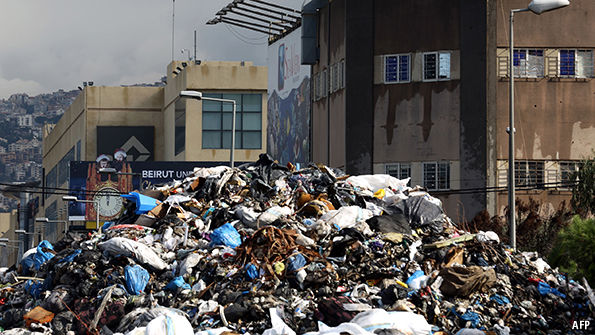
WHEN is a crisis really a crisis in Lebanon? It can be hard to tell. With the country’s vibrant commerce, entrepreneurial buzz and relatively liberal social scene, it can be easy to overlook the rot underneath. The tiny nation of 4m regularly goes for stretches without a functioning government. Since the civil war ended 25 years ago residents have endured power shortages and woeful public services. And things are getting worse.
On the country’s Independence Day on November 22nd, marking 72 years since French rule ended, protests, which had just about ground to a halt after a summer high, drowned out the celebrations. Lebanon broke its own record for longest period without a president—546 days. Local papers now use the plural, writing of the country’s “crises” rather than “crisis”.
By Jenny Gustafssonthe Guardian.com
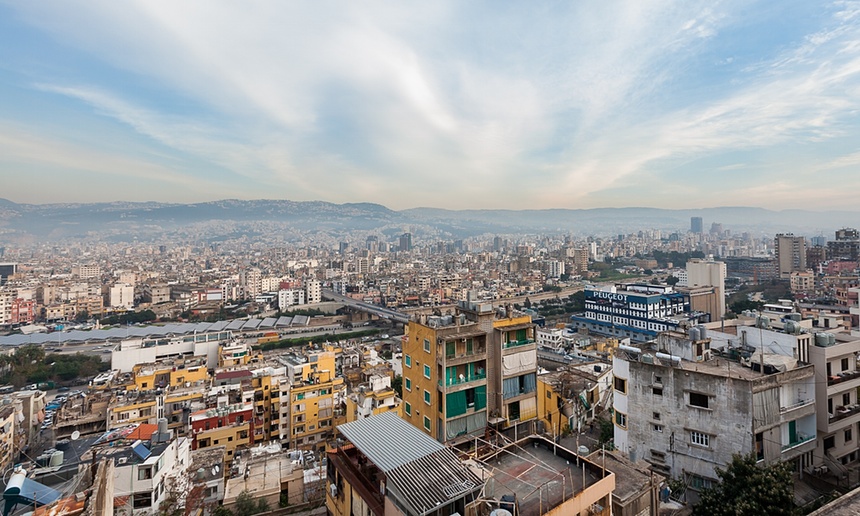
It’s Saturday afternoon in Beirut and the streets are unusually crowded. A street art event has invited people to one of the city’s old stairways, and a girl at the bottom of the stairs is giving directions over the phone: “You know that small corner shop with the sleeping dog outside? That’s it, I’m here.”
She hangs up her phone, sits down and waits beside an old golden retriever that is, indeed, asleep in the sun; her simple directions, a short reference to a neighbourhood shop, apparently more than sufficient.
Try to locate any place in the Lebanese capital and this, typically, is what you will hear: details and places, not the names of streets or their numbers. Whether visiting a friend for the first time or trying to find someone’s office, the best bet is always to find landmarks, not official addresses – they may exist, but probably won’t be of much help anyway, because no one really uses them.
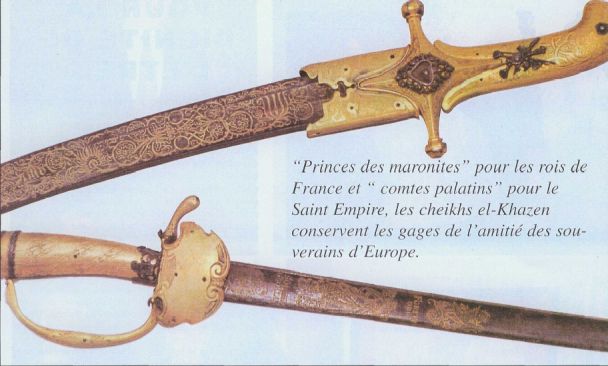
Population Movements to Keserwan - The Khazens and The Maans
ما جاء عن الثورة في المقاطعة الكسروانية
ثورة أهالي كسروان على المشايخ الخوازنة وأسبابها
Origins of the "Prince of Maronite" Title
Growing diversity: the Khazin sheiks and the clergy in the first decades of the 18th century
Historical Members:
Barbar Beik El Khazen [English]
Patriach Toubia Kaiss El Khazen(Biography & Life Part1 Part2) (Arabic)
Patriach Youssef Dargham El Khazen (Cont'd)
Cheikh Bishara Jafal El Khazen
Patriarch Youssef Raji El Khazen
The Martyrs Cheikh Philippe & Cheikh Farid El Khazen
Cheikh Nawfal El Khazen (Consul De France)
Cheikh Hossun El Khazen (Consul De France)
Cheikh Abou-Nawfal El Khazen (Consul De France)
Cheikh Francis Abee Nader & his son Yousef
Cheikh Abou-Kanso El Khazen (Consul De France)
Cheikh Abou Nader El Khazen
Cheikh Chafic El Khazen
Cheikh Keserwan El Khazen
Cheikh Serhal El Khazen [English]
Cheikh Rafiq El Khazen [English]
Cheikh Hanna El Khazen
Cheikha Arzi El Khazen
Marie El Khazen