Azza El Masri – Buzzfeed In the Arab world, traditions and customs have taught us that young people have a responsibility to …
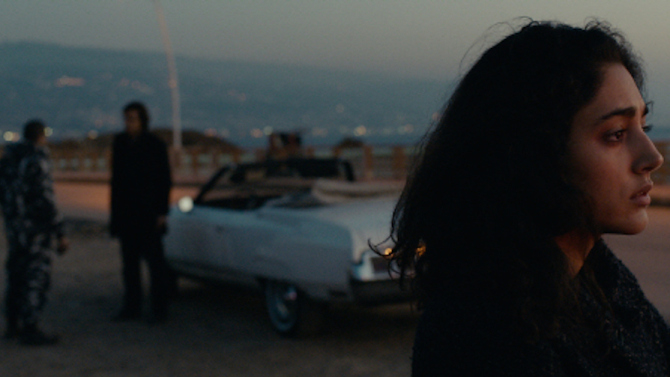
Lebanese director Jihane Chouaib’s half-personal, half-fictionalized debut stumbles as it tries to manufacture mystery where emotion belongs.
“Go Home,” reads the angry grease-paint message scrawled on the wall of the now-ransacked villa Nada (Golshifteh Farahani) finds upon her return to the Lebanese village where she grew up. Alas, Nada can’t really go home, not now, not ever, in Jihane Chouaib’s slow and overly obvious account of this now-Westernized young woman’s attempts to put certain family secrets to rest. As three distractingly gorgeous actors mope about its otherwise-grubby Lebanon locations, this trilingual yet not especially talky debut (whose cast speaks French, English and Arabic) seeks profundity in introspective silences. For some it may well achieve that, though technically speaking, it’s a shame everything hinges on a childhood memory that, once fully revealed, isn’t nearly as shocking for us as it must be for Nada, ultimately eliciting respect but not much excitement as it travels fest and arthouse venues far from home.
By Nicholas Blanford
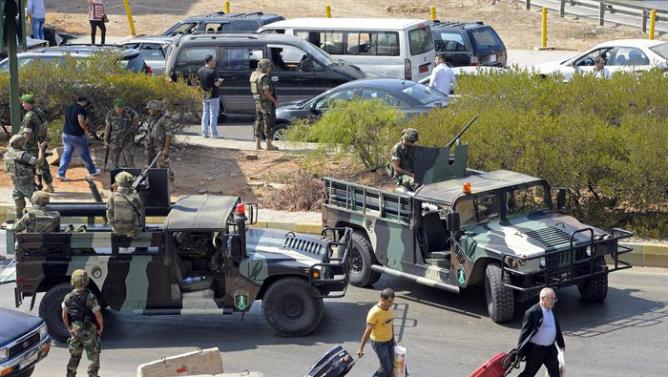
A huge roar erupted from the 100,000 cheering Hezbollah supporters as the Shiite organization’s beaming leader, Sheikh Hassan Nasrallah, dressed in a customary brown cloak and black turban, stepped onto a stage decorated in the red, white, and green Lebanese national flag and yellow party banners.
It was May 26, 2000, and Sheikh Nasrallah was in the southern Lebanese town of Bint Jbeil, a few miles north of the Israeli border, to mark a stunning and unprecedented military achievement. His group of several hundred lightly armed resistance fighters had pushed the Israeli army out of south Lebanon, ending an occupation that had begun 22 years earlier.
The last Israeli troops had left their posts in south Lebanon just two days before.
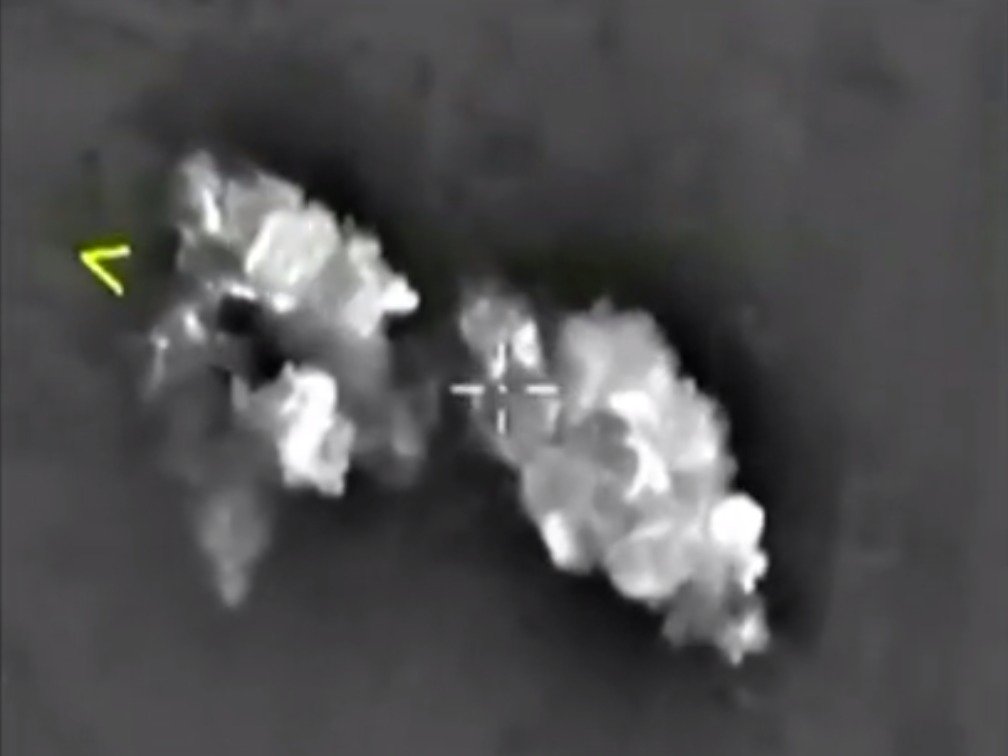
On September 30, the long-expected Russian military intervention in Syria rolled into action.
According to Russia’s Ministry of Defense, more than 50 airplanes and helicopters took part in a first wave of strikes against anti-Assad insurgents.
Russia’s TASS news agency quoted Major-General Igor Konashenkov’s announcement:
In accordance with a decision by the Supreme Commander-in-Chief Vladimir Putin Russian Aerospace Forces planes on Wednesday started an operation to deal pinpoint strikes against ground targets of the [Islamic State] terrorist group in the territory of the Syrian Arab Republic.

Population Movements to Keserwan - The Khazens and The Maans
ما جاء عن الثورة في المقاطعة الكسروانية
ثورة أهالي كسروان على المشايخ الخوازنة وأسبابها
Origins of the "Prince of Maronite" Title
Growing diversity: the Khazin sheiks and the clergy in the first decades of the 18th century
Historical Members:
Barbar Beik El Khazen [English]
Patriach Toubia Kaiss El Khazen(Biography & Life Part1 Part2) (Arabic)
Patriach Youssef Dargham El Khazen (Cont'd)
Cheikh Bishara Jafal El Khazen
Patriarch Youssef Raji El Khazen
The Martyrs Cheikh Philippe & Cheikh Farid El Khazen
Cheikh Nawfal El Khazen (Consul De France)
Cheikh Hossun El Khazen (Consul De France)
Cheikh Abou-Nawfal El Khazen (Consul De France)
Cheikh Francis Abee Nader & his son Yousef
Cheikh Abou-Kanso El Khazen (Consul De France)
Cheikh Abou Nader El Khazen
Cheikh Chafic El Khazen
Cheikh Keserwan El Khazen
Cheikh Serhal El Khazen [English]
Cheikh Rafiq El Khazen [English]
Cheikh Hanna El Khazen
Cheikha Arzi El Khazen
Marie El Khazen