
By Patrick Huston -- bollyinside.com -- On September 22, the Association of Banks in Lebanon (ABL) stated that all banks in the nation will close permanently due to aggressive depositor withdrawals. The government limited access to the depository accounts and shut down all banks on September 16 for a week due to the economic crisis. Young people in Lebanon are using cryptocurrencies to get away from the financial turmoil, which has increased usage since 2021. Changpeng Zhao, the CEO of Binance, also tweeted the news. In response to Zhao’s tweet, hundreds of people expressed their support for the ownership and decentralisation of cryptocurrencies, which keep them from going out of business like the banks in Lebanon. Reuters reports that by September 2021, the Lebanese pound, which was pegged at roughly $1,500 at the time, had dropped to $15,000 on the black market. Due to this, banks had to halt withdrawals because depositors continued to take money out despite large losses.
financial emergency
Since August 2019, the nation has been experiencing a financial crisis, which got worse in 2020 with the explosion in Beirut and the epidemic. In 2020, the IMF predicted that Lebanon would suffer a loss of about $83 million and put up a recovery strategy for the country.
Bitcoin in Lebanon
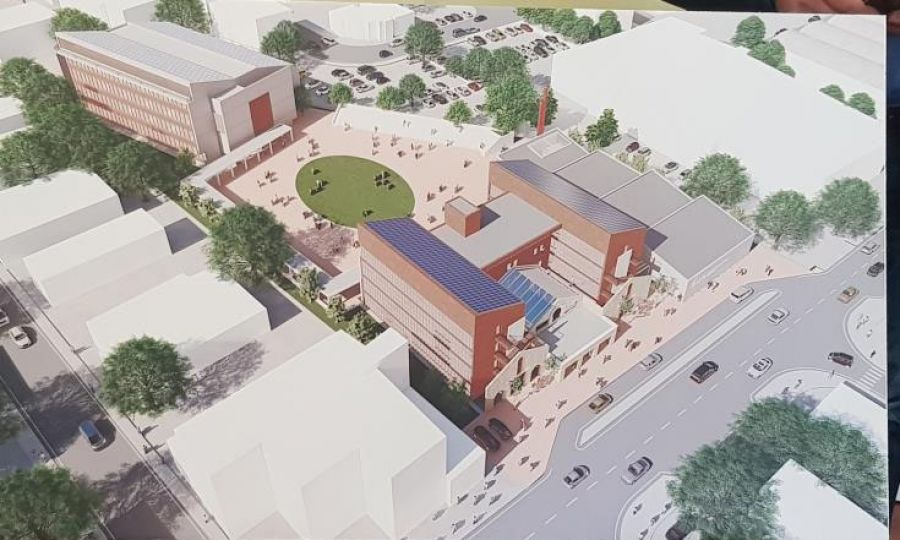
by nna-leb.gov.lb -- The American University of Beirut that JV MAN Enterprise and Atlas Pantou has been selected to construct the American University of Beirut – Mediterraneo campus in Pafos, Cyprus. JV MAN Enterprise and Atlas Pantou, which was selected after a rigorous tender process, will begin work immediately. “This is an important milestone in the establishment of our new twin campus in Pafos, Cyprus, where we will be welcoming students in fall 2023,” said American University of Beirut President Fadlo Khuri.
The American University of Beirut – Mediterraneo, a twin campus of the American University of Beirut in Beirut, Lebanon, is being established through an agreement with the Municipality of Pafos, Cyprus, which was signed on April 8, 2022. The signing ceremony was attended by the President of the Republic of Cyprus Nicos Anastasiades; US Assistant Secretary of State for Educational and Cultural Affairs Lee Satterfield; Ambassador, American University of Beirut Trustee, and Chairman of the American University of Beirut International Advisory Council Frank G. Wisner; Mayor of the Municipality of Pafos Phedonas Phedonos; American University of Beirut President Fadlo Khuri; in addition to ambassadors and officials as well as other members of the American University of Beirut Board of Trustees. “The new university, capitalizing on the long and successful experience of the mother American University of Beirut to manage issues of coexistence and cooperation of groups with different religions and cultural backgrounds, is in a position to convincingly convey the messages of brotherhood, solidarity, mutual respect, and equality, which are the foundations for any honest compromise and for the establishment and development of a democratic and prosperous society,” stated the Mayor of Pafos Phedonas Phedonos.
by state.gov — Secretary of State Antony J. Blinken met yesterday with Lebanese Caretaker Prime Minister Najib Mikati in New York City. …
@AzziSejean
الجميلُ أن تجدَ الأزماتُ حلولًا. السيِّئُ ألّا تجدَ الأزماتُ حلولًا. الأسوأ أن تَجدَ الأزماتُ حلولًا ولا تُطَــبّقُ. والكارثةُ أن تُغتالَ عَمدًا جميعُ الحلولِ ما إِن تلوحُ في الأفْقِ. لبنان اجتاز الحالاتِ الثلاثَ الأولى واستقرَّ للأسفِ في الحالةِ الرابعةِ. أصبح اللبنانيّون مُنتِجي أزَماتٍ وقنّاصِي حلول. تَعايشَ اللبنانيّون مع الأزَماتِ ووَجدوا لها الحلولَ أو التسوياتِ حين كانت فئاتٌ لبنانيّةٌ تسعى إلى تحسينِ مواقعِها في الدولة. أما حين قرّرت فئاتٌ لبنانيّةٌ أخرى تغييرَ موقِعِ لبنان وهُويّتِه واستملاكَه وبناءَه على صورةِ الأنظمةِ الدينيّةِ والاستبداديّة، أصبَحنا نَتعايش مع الأزَماتِ من دونِ الحلول. إنَّ المشاريعَ الدينيّةَ الأجنبيّةَ التي تَحمِلُها قِوى سياسيّةٌ لبنانيّةٌ، لا تتآلفُ مع الدستورِ اللبنانيِّ نصًّا وروحًا، ولا مع الميثاقِ الوطنيِّ فلسفةً وعُرفًا، لأنَّ مشاريعَها تَستدعي فِقهًا وفتاوى وتكاليفَ شرعيّةً لا دساتيرَ ومواثيق.
الإشكاليّةُ التي نُعاني منها في لبنان هي استحالةُ تطبيقِ حلٍّ سِلميٍّ أو حلٍّ عسكريّ كأنَّما لا بدّ من الجُرعتَين. ما عاد البَحثُ عن حلِّ أزْمةِ لبنان، بل عن حلِّ أزمةِ لبنان مع دولةِ حزبِ الله المنتشِرةِ على أراضيه وفي مجتمعِه ومؤسّساتِه وفي مجلسَي النواب والوزراء وتَمتلِكُ جيشًا بموازاةِ الجيشِ اللبناني. استحالةُ الحلِّ السياسيِّ ناتجةٌ عن قرارِ حزبِ الله بالإبقاءِ على جيشِه أيًّا يَكن الحلُّ السياسيّ، ما يؤدي إلى نشوءِ شعبَين: أحدُهما مسلَّحٌ مع مشروعٍ توسعيٍّ، والآخَرُ بدونِ سلاحٍ في كَنفِ الدولةِ اللبنانيّة. واستحالةُ الحلِّ العسكريِّ ناجمةٌ عن تحوّلِ أيِّ مواجَهةٍ عسكريّةٍ إلى حربٍ أهليّةٍ تُقسِّمُ البلدَ أو تُفتِّتهُ. ويُخشى أن تَقتصِرَ الحربُ على حزبِ الله والقِوى المسيحيّةِ السياديّة، فيما يَكتفي الآخَرون بِعدِّ الضحايا وإسداءِ النصائح. في الحالتين يبقى سؤالان أساسيّان: ما هو دورُ الجيشِ اللبنانيِّ تجاه استحالةِ الحلِّ السياسيِّ؟ وما هو دورُه في وقفِ المواجهةِ العسكرية؟
بين الأسباب التي تُعقِّدُ حلَّ القضيّةِ اللبنانيّةِ سَببان: 1) عدمُ ثقةِ الأطرافِ اللبنانيّة بمعادلةِ الحلِّ السياسيِّ ونتائِجه، إذ هناك أطرافٌ تَميل إلى حلٍّ يكون فيه غالِبٌ ومغلوبٌ بحكمِ وجودِ عنصرِ السلاحِ على طاولةِ المفاوضات السلمية. 2) اتّجاهُ أطرافٍ لبنانيّةٍ إلى ربطِ الحلِّ الداخليِّ بالتطوّراتِ الإقليميّةِ والدُولية، إذ يَظنُّ كلُّ طرفٍ لبنانيٍّ أنَّ "حليفَه" الخارجيَّ سيربَحُ إقليميًّا ودُوليًّا، وبالتالي سيربَحُ هو معه في لبنان. هكذا حَصَل سنواتِ 1920 و1943 و1982 و1989، إلخ... لكنَّ الثمارَ الإيجابيّةَ الـمُوَقّتةَ التي أعْطتها هذه الرهاناتُ سُرعان ما يَبِسَت وكانت وِزْرًا على أصحابِـها وأخصامِها معًا.




Population Movements to Keserwan - The Khazens and The Maans
ما جاء عن الثورة في المقاطعة الكسروانية
ثورة أهالي كسروان على المشايخ الخوازنة وأسبابها
Origins of the "Prince of Maronite" Title
Growing diversity: the Khazin sheiks and the clergy in the first decades of the 18th century
Historical Members:
Barbar Beik El Khazen [English]
Patriach Toubia Kaiss El Khazen(Biography & Life Part1 Part2) (Arabic)
Patriach Youssef Dargham El Khazen (Cont'd)
Cheikh Bishara Jafal El Khazen
Patriarch Youssef Raji El Khazen
The Martyrs Cheikh Philippe & Cheikh Farid El Khazen
Cheikh Nawfal El Khazen (Consul De France)
Cheikh Hossun El Khazen (Consul De France)
Cheikh Abou-Nawfal El Khazen (Consul De France)
Cheikh Francis Abee Nader & his son Yousef
Cheikh Abou-Kanso El Khazen (Consul De France)
Cheikh Abou Nader El Khazen
Cheikh Chafic El Khazen
Cheikh Keserwan El Khazen
Cheikh Serhal El Khazen [English]
Cheikh Rafiq El Khazen [English]
Cheikh Hanna El Khazen
Cheikha Arzi El Khazen
Marie El Khazen