Cody C. Delistraty, The Atlantic
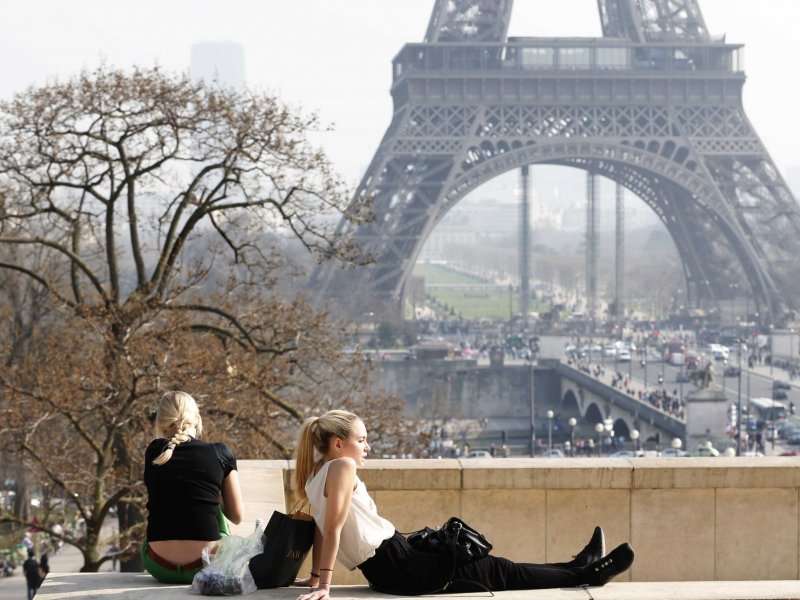
Between 1853 and 1870, Baron Haussmann ordered much of Paris to be destroyed. Slums were razed and converted to bourgeois neighborhoods, and the formerly labyrinthine city became a place of order, full of wide boulevards (think Saint-Germain) and angular avenues (the Champs-Élysées). Poor Parisians tried to put up a fight but were eventually forced to flee, their homes knocked down with minimal notice and little or no recompense. The city underwent a full transformation—from working class and medieval to bourgeois and modern—in less than two decades' time.
By Nick Ames

By Nick Ames
Celebrating its 20th anniversary this month is one of the most unusual structures in the Middle East – the Monument for Peace in Beirut.
Constructed from concrete with Soviet-era T55 tanks, mortars, heavy artillery and armoured personel carriers embedded into its 30 metre high form it is the work of French based architect Armand Fernandez.
Officially called Hope for Peace it is also known as the Tank Monument and is situated in Yarse, close to the Lebanese defence ministry buildings.
albawaba.com
The Large inflow of remittance of o Lebanon are one of the main reasons the country was spared the fate of Greece, Bank Audi said in a report issued Thursday.“Lebanon’s remittances to GDP ratio stands at 18 percent today, one of the highest worldwide, against a mere 0.3 percent for Greece,” the report said.It added that these inflows have allowed Lebanon to weather the financial crisis, although the country still needs structural reforms and fiscal adjustments to reduce the public debt.
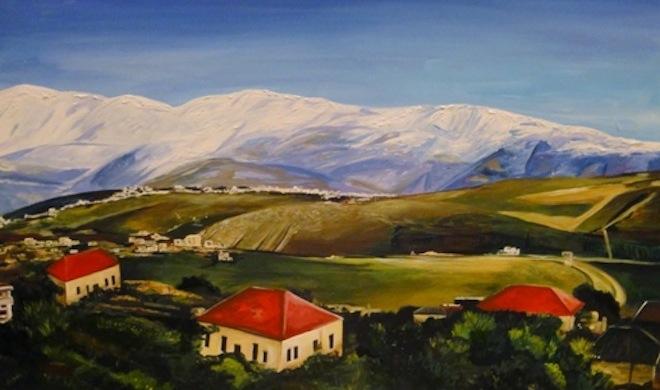
We met up with the Hamra brothers, hoteliers and self-made entrepreneurs in the best of Lebanese tradition, at a place where old ways of peaceful coexistence stand firm in the face of great outside pressure.
“Settled by my forebears,” Pulitzer prize winning reporter Anthony Shadid wrote in his book ‘House of Stone’, “Marjayoun was once an entrepôt perched along routes of trade plied by Christians, Muslims and Jews which stitched together the tapestry of an older Middle East. It was, in essence, a gateway - to Sidon, on the Mediterranean, and Damascus, beyond Mount Hermon; to Jerusalem, in historic Palestine; and to Baalbek, the site of an ancient Roman town. This was a place as cosmopolitan as the countryside offered.”




Population Movements to Keserwan - The Khazens and The Maans
ما جاء عن الثورة في المقاطعة الكسروانية
ثورة أهالي كسروان على المشايخ الخوازنة وأسبابها
Origins of the "Prince of Maronite" Title
Growing diversity: the Khazin sheiks and the clergy in the first decades of the 18th century
Historical Members:
Barbar Beik El Khazen [English]
Patriach Toubia Kaiss El Khazen(Biography & Life Part1 Part2) (Arabic)
Patriach Youssef Dargham El Khazen (Cont'd)
Cheikh Bishara Jafal El Khazen
Patriarch Youssef Raji El Khazen
The Martyrs Cheikh Philippe & Cheikh Farid El Khazen
Cheikh Nawfal El Khazen (Consul De France)
Cheikh Hossun El Khazen (Consul De France)
Cheikh Abou-Nawfal El Khazen (Consul De France)
Cheikh Francis Abee Nader & his son Yousef
Cheikh Abou-Kanso El Khazen (Consul De France)
Cheikh Abou Nader El Khazen
Cheikh Chafic El Khazen
Cheikh Keserwan El Khazen
Cheikh Serhal El Khazen [English]
Cheikh Rafiq El Khazen [English]
Cheikh Hanna El Khazen
Cheikha Arzi El Khazen
Marie El Khazen