By Joseph Kechichian, Senior Writer
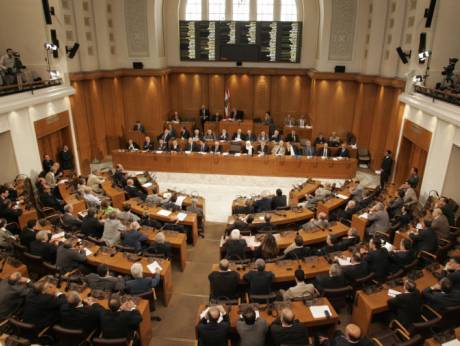
Beirut: The Lebanese government failed to agree on how best to move along after a difficult two-hour long meeting although the Prime Minister upheld the constitution and embarked on fresh negotiations to settle lingering disputes. He did not resign and pledged to call a new meeting on Friday after he and the Speaker, Nabih Berri, return from their visit to Cairo.
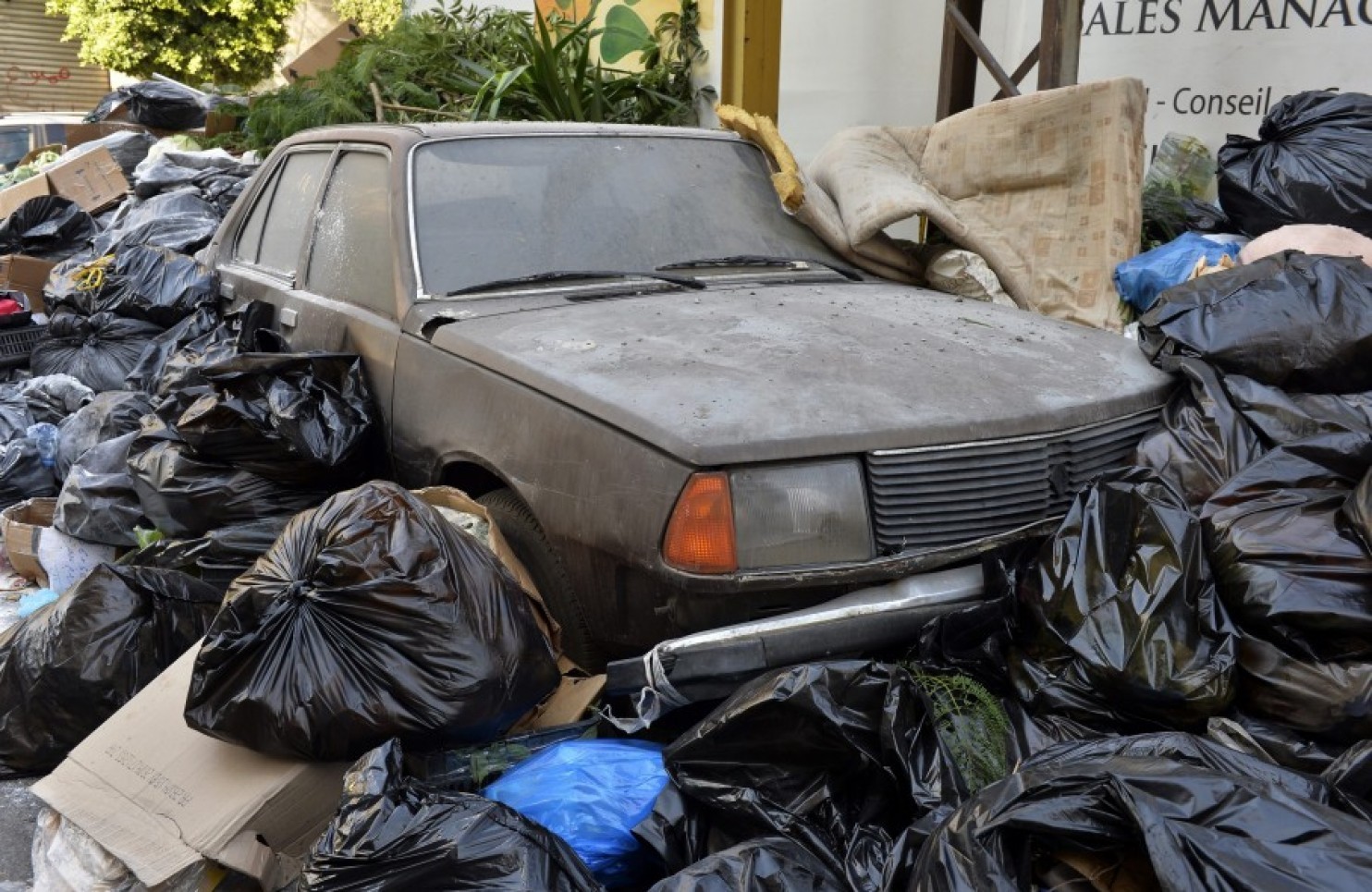
During the past two weeks, Lebanon has been mired in a garbage crisis. The landfill used by Beirut since the mid-1990s has entirely overflowed, and local residents have forced the government to close it. Meanwhile, due to internal squabbling, the government has failed to extend its contract with the garbage company Sukleen and to find suitable alternative landfills. Civil society has attempted to step in to compensate for the lawmakers’ dereliction of duty, and Uber drivers have been called upon to help remove trash from the streets of the city.
This trash crisis mirrors and compounds 14 months of system-wide gridlock that has prevented the election of a new Lebanese president. Indeed, as one lawmaker from Beirut pointed out, “the [trash] issue is being used by politicians as a proxy for broader struggles.” The country is currently being managed by a caretaker government headed by Tammam Salam, the scion of a notable Sunni family that traces its origins back to the ranks of the Ottoman bureaucracy.
Ali Akbar Dareini, Associated Press
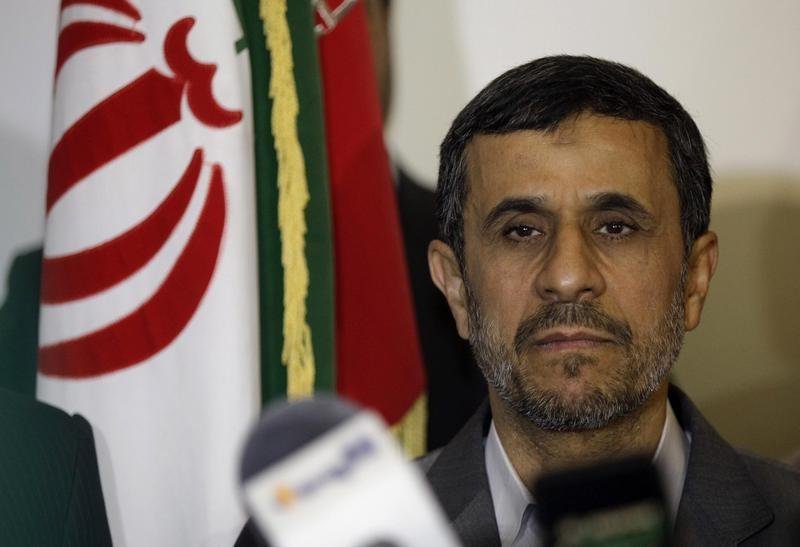
TEHRAN, Iran (AP) — Iran's former President Mahmoud Ahmadinejad has launched a political campaign ahead of February's parliamentary elections in what could prove a challenge to the moderates behind a landmark nuclear agreement reached last month.
Few expect a rerun of Ahmadinejad's surprise victory in the 2005 elections, which kicked off an eight-year presidency marked by confrontation with the West, incendiary rhetoric toward Israel and refusal to compromise on the disputed nuclear program. Many former allies have turned on Ahmadinejad, and two of his former vice presidents have been jailed for corruption.
Kareem Shaheen, The Guardian
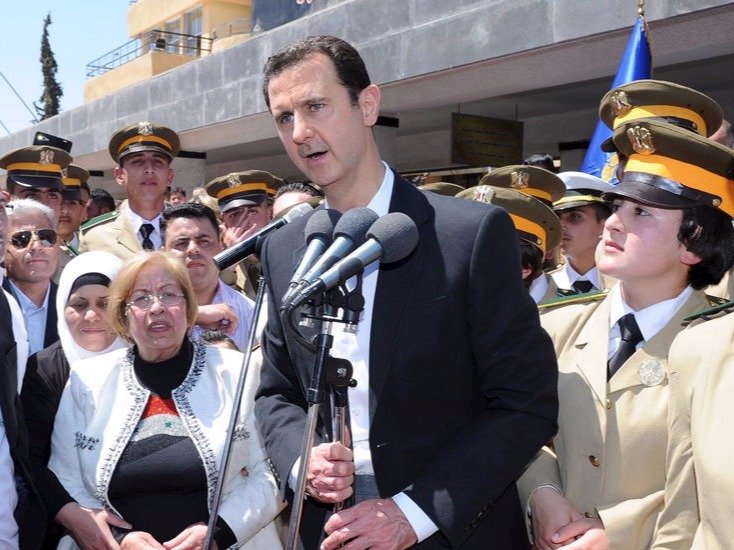
The growing anarchy and stalemate in Syria has brought the country closer to de facto partition, as the overstretched and exhausted army of the president, Bashar al-Assad, retreats in the face of a war of attrition that has sapped its manpower.
The regime’s military has sought to retain a footprint in far-flung areas of the country, from Deir Ezzor in Syria’s eastern desert to Aleppo in the north and Deraa in the south, attempting to consolidate its hold over state institutions and protect its officer corps by retreating in the face of overwhelming offensives and subjecting lost territory to relentless and indiscriminate aerial campaigns.
But, facing a manpower shortage as tens of thousands of young men desert, the military has had to rely largely on local militias as enforcers for the regime. It is ceding territory to rebel fighters and the terror group Islamic State in favour of regrouping in its strongholds to the west, slowly paving the way for partition.

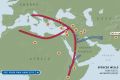


Population Movements to Keserwan - The Khazens and The Maans
ما جاء عن الثورة في المقاطعة الكسروانية
ثورة أهالي كسروان على المشايخ الخوازنة وأسبابها
Origins of the "Prince of Maronite" Title
Growing diversity: the Khazin sheiks and the clergy in the first decades of the 18th century
Historical Members:
Barbar Beik El Khazen [English]
Patriach Toubia Kaiss El Khazen(Biography & Life Part1 Part2) (Arabic)
Patriach Youssef Dargham El Khazen (Cont'd)
Cheikh Bishara Jafal El Khazen
Patriarch Youssef Raji El Khazen
The Martyrs Cheikh Philippe & Cheikh Farid El Khazen
Cheikh Nawfal El Khazen (Consul De France)
Cheikh Hossun El Khazen (Consul De France)
Cheikh Abou-Nawfal El Khazen (Consul De France)
Cheikh Francis Abee Nader & his son Yousef
Cheikh Abou-Kanso El Khazen (Consul De France)
Cheikh Abou Nader El Khazen
Cheikh Chafic El Khazen
Cheikh Keserwan El Khazen
Cheikh Serhal El Khazen [English]
Cheikh Rafiq El Khazen [English]
Cheikh Hanna El Khazen
Cheikha Arzi El Khazen
Marie El Khazen