Jesse Rosenfeld
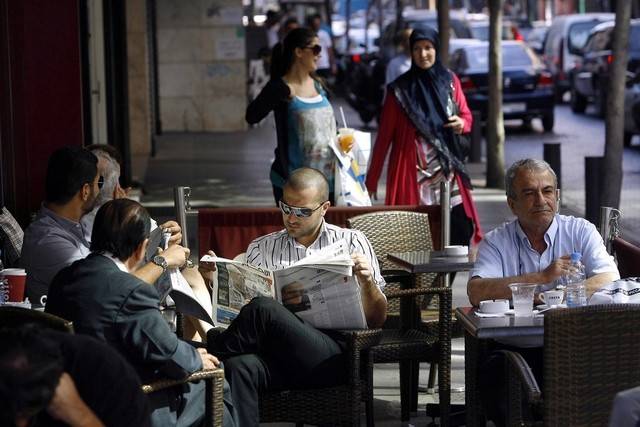
Lebanon used to be a magnet for regional and global powers to fight out their proxy wars, reducing the country to rubble and scarring its people. Now the coastal capital of Beirut is a business hub. Its cafes and bars bustle while, politically, the city is a soap box for a war of words about battles that are fought elsewhere.
From conflicts in Yemen to Syria, major players make their positions known through their local Lebanese allies. Speeches by Hizbollah leader Hassan Nasrallah that blame Saudi Arabia for aggression in Yemen routinely face retorts by former prime minister Saad Hariri citing Iranian backing of the Houthis as the cause of the violence.
Yet the miracle of Lebanon is that despite the spillover from the Syrian civil war, it has continued to stay above the fray. There is mutual interest in the country’s capital being a place for back channel negotiations and for business from all sides to make a profit. The weak central government, unable to decide on a president for the past year, levels the playing field and the strong factional divides give a voice to competing powers.
Raphael Satter, Maggie Michael, Associated Press
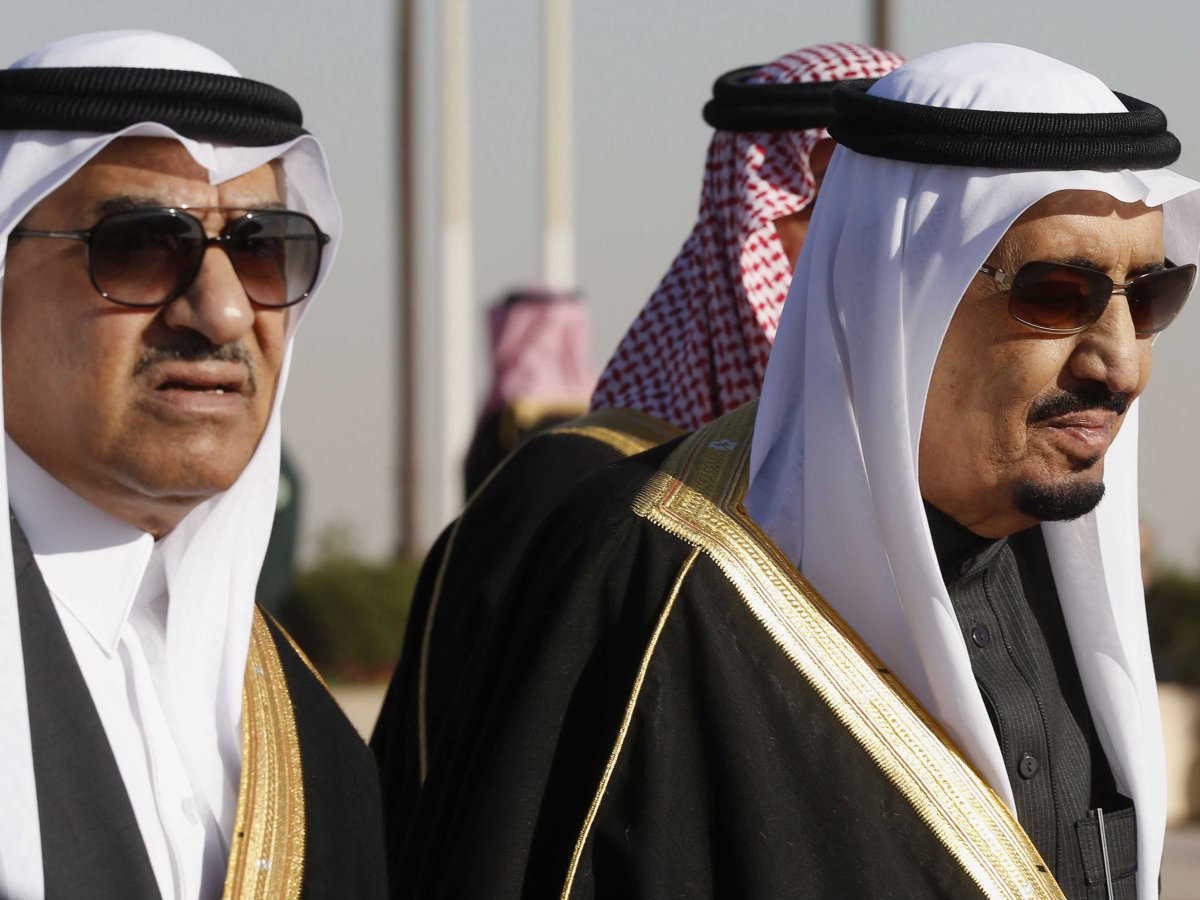
At the Saudi Embassy in Tehran, diplomats talked about airing the grievances of disenchanted local youth using Facebook and Twitter. At the embassy in Khartoum, they reported anxiously on Iran's military aid to Sudan.
Meanwhile, the Saudi mission in Geneva got stuck dealing with a multi-million dollar limo bill racked up by a Saudi princess and her entourage.
The incidents are mentioned in diplomatic documents published Friday by WikiLeaks, only the first batch of what the transparency group says will be a much larger release. But they've already provided an unusual level of insight into day-to-day Saudi diplomacy — giving a snapshot of the lavish spending habits of senior royals and the political intrigue percolating across the Middle East.
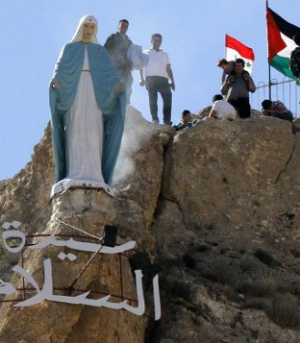
MUNTINLUPA, PHILIPPINES (Catholic Online) - The 10-foot high statue overlooks the town of Maaloula, one of the world's oldest Christian communities. A video where a statue of the Virgin Mary was demolished by a Muslim sheik went viral over the Internet in 2013, raising concern among Christian communities.
The former statue stood tall on the cliff until the war between the loyal forces of President Bashar Assad and the Nusra Front, an affiliate of Al Qaeda in Syria. With the battling forces finally out of the community, the new statue promises to bring peace to the people.
Now, the community, whose residents speak Aramaic, are trying to restore the religious artifacts previously taken down and destroyed, including some images of Jesus Christ.
It is confirmed: Egyptian leader Abdel Fattah al-Sisi has officially invited Pope Francis to visit Egypt. On a related note, deposed president …
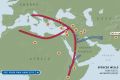
Population Movements to Keserwan - The Khazens and The Maans
ما جاء عن الثورة في المقاطعة الكسروانية
ثورة أهالي كسروان على المشايخ الخوازنة وأسبابها
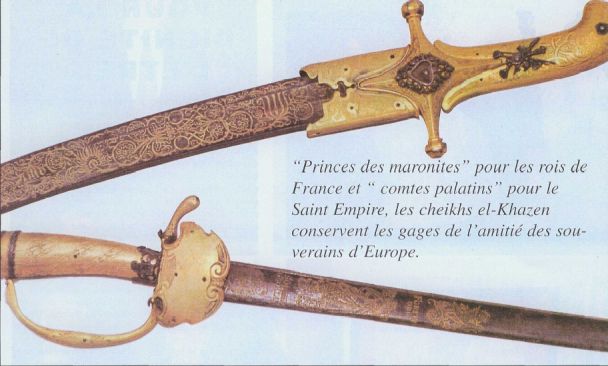
Origins of the "Prince of Maronite" Title
Growing diversity: the Khazin sheiks and the clergy in the first decades of the 18th century
Historical Members:
Barbar Beik El Khazen [English]
Patriach Toubia Kaiss El Khazen(Biography & Life Part1 Part2) (Arabic)
Patriach Youssef Dargham El Khazen (Cont'd)
Cheikh Bishara Jafal El Khazen
Patriarch Youssef Raji El Khazen
The Martyrs Cheikh Philippe & Cheikh Farid El Khazen
Cheikh Nawfal El Khazen (Consul De France)
Cheikh Hossun El Khazen (Consul De France)
Cheikh Abou-Nawfal El Khazen (Consul De France)
Cheikh Francis Abee Nader & his son Yousef
Cheikh Abou-Kanso El Khazen (Consul De France)
Cheikh Abou Nader El Khazen
Cheikh Chafic El Khazen
Cheikh Keserwan El Khazen
Cheikh Serhal El Khazen [English]
Cheikh Rafiq El Khazen [English]
Cheikh Hanna El Khazen
Cheikha Arzi El Khazen
Marie El Khazen