Sami Aboudi and Mohammed Mukhashaf, Reuters
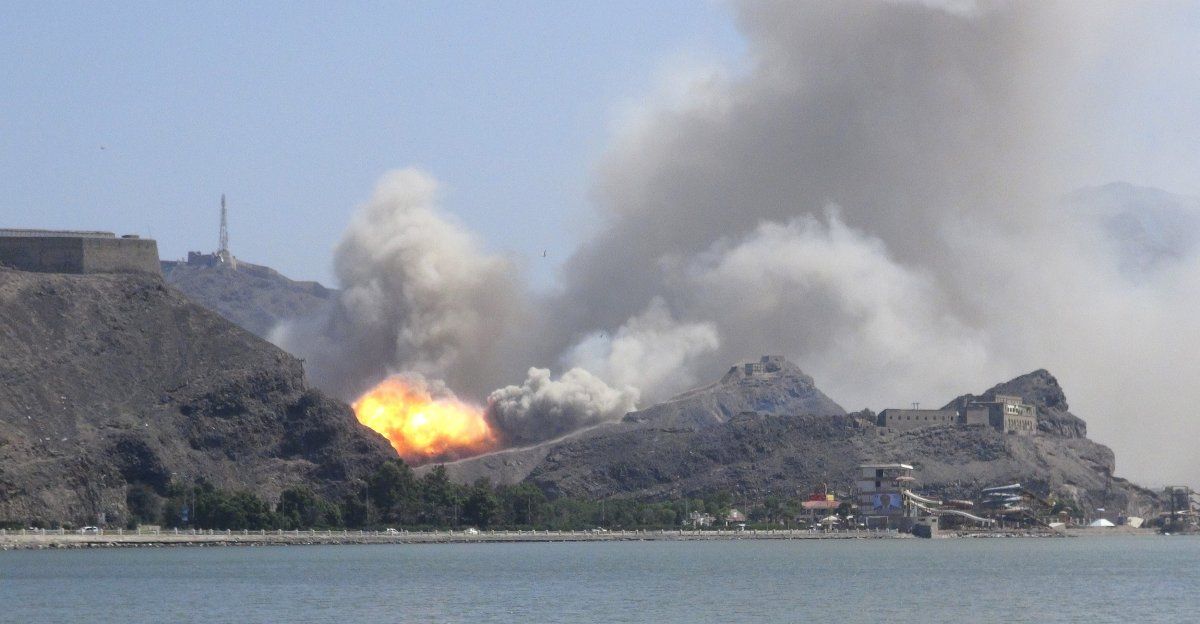
An arms depot explodes at the Jabal Hadeed military compound in Yemen's southern port city of Aden March 28, 2015.
Saudi Arabia's navy evacuated dozens of diplomats from Yemen on Saturday and the United Nations pulled out international staff after a third night of Saudi-led air strikes trying to stem advances by Iranian-allied Houthi fighters.
Residents reported heavy clashes between the Houthis and mainly Sunni tribal fighters in the south of the country, while the air campaign sought to stall a fresh offensive by the Shi'ite Muslim group on Aden from the east.
Riyadh's intervention, a surprise move from a conservative monarchy better known for flexing its muscle in oil markets than through military might, is planned to last a month but could extend for five or six, a Gulf diplomatic source said.
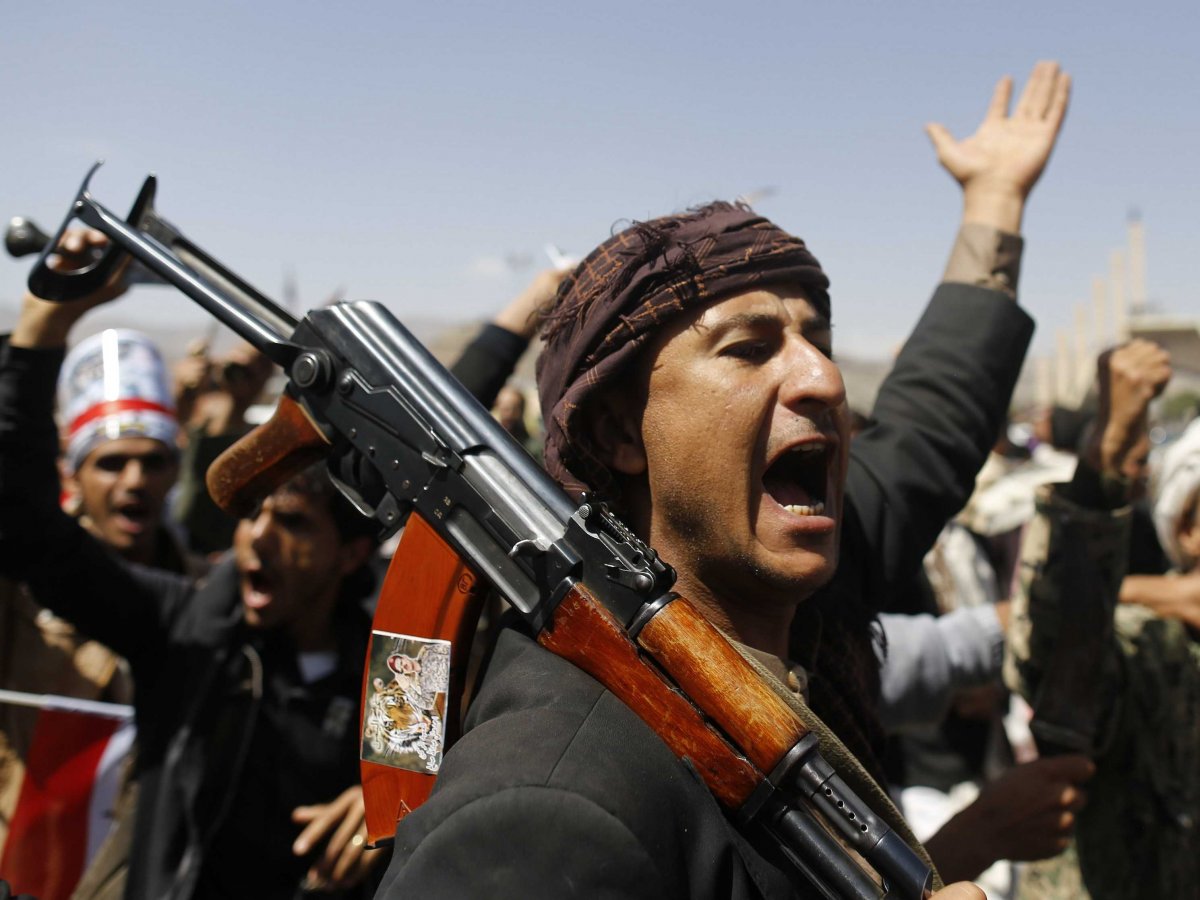
On March 26, Egypt announced that it would join the Saudi-led military campaign against the Iranian-backed Houthi takeover of Yemen.
While the extent of Egypt's involvement is still to be determined, Cairo's decision reflects two considerations: addressing the theoretical threat that the Houthis pose to maritime security in the Red Sea, and helping its Persian Gulf allies resist Iran's hegemonic ambitions.
Egypt was not eager to enter the conflict because its prior military intervention in Yemen was extremely costly. Approximately 26,000 Egyptian soldiers died fighting Saudi-backed royalists during the 1962-1970 Yemeni civil war. Moreover, by entering the current conflict, Egypt risks stretching its military thin, since it is already fighting ISIS-affiliated jihadists in Libya and the Sinai — without much success on either front.
The Houthi seizure of Aden on March 25, however, seemingly forced Cairo's hand. From Egypt's perspective, Houthi control of the southwestern coastal city threatens maritime traffic in Bab al-Mandab, the strait that connects the Red Sea to the Gulf of Aden. Cairo worries that the Houthis might threaten Suez Canal traffic, which has been one of the Egyptian government's most reliable revenue streams. Over $5.4 billion in canal tolls were collected in 2014 alone, and Egypt is currently digging a second canal that it anticipates will increase revenues to $13.5 billion in 2023.
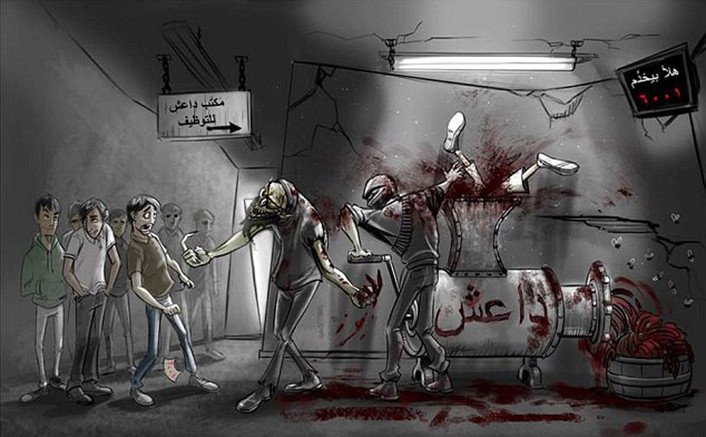
On Mar. 26, a US F-15E Strike Eagle fighter jet deployed in the Gulf region conducted an unusual mission, dropping some 60,000 leaflets over Raqqa region, the ISIS stronghold and de-facto capital in Syria.The leaflet includes a gruesome cartoon drawing, showing 7 men being lined up for a meat grinder (labeled “Daesh”) by a “Daesh Recruiting Office.” Daesh is the Arabic acronym for ISIS that members of the jihadist group find offensive.
The leaflets were released by means of a PDU-5B leaflet canister.
The purpose of the leaflet is to support Psychological Operations or PSYOPS against ISIS in Syria. The message of the leaflet is clear: those recruited by ISIS will find themselves in a figurative meat grinder and could actually turn into the group's next victims. The aim is to both dissuade individuals from joining ISIS while highlighting the group's paranoia and disunity.
BEIRUT: Seven suspects attempting illegal entry into Lebanon led soldiers into a wild pursuit Thursday night, resulting in the death of …


Population Movements to Keserwan - The Khazens and The Maans
ما جاء عن الثورة في المقاطعة الكسروانية
ثورة أهالي كسروان على المشايخ الخوازنة وأسبابها
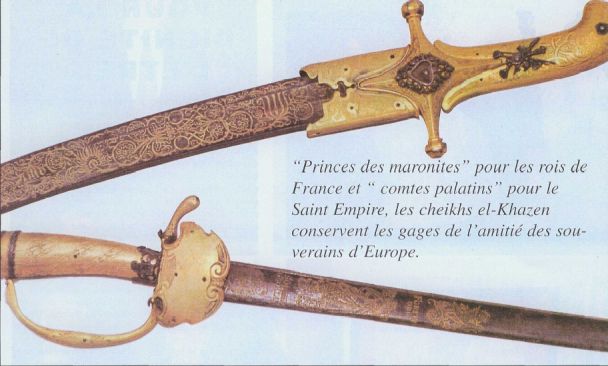
Origins of the "Prince of Maronite" Title
Growing diversity: the Khazin sheiks and the clergy in the first decades of the 18th century
Historical Members:
Barbar Beik El Khazen [English]
Patriach Toubia Kaiss El Khazen(Biography & Life Part1 Part2) (Arabic)
Patriach Youssef Dargham El Khazen (Cont'd)
Cheikh Bishara Jafal El Khazen
Patriarch Youssef Raji El Khazen
The Martyrs Cheikh Philippe & Cheikh Farid El Khazen
Cheikh Nawfal El Khazen (Consul De France)
Cheikh Hossun El Khazen (Consul De France)
Cheikh Abou-Nawfal El Khazen (Consul De France)
Cheikh Francis Abee Nader & his son Yousef
Cheikh Abou-Kanso El Khazen (Consul De France)
Cheikh Abou Nader El Khazen
Cheikh Chafic El Khazen
Cheikh Keserwan El Khazen
Cheikh Serhal El Khazen [English]
Cheikh Rafiq El Khazen [English]
Cheikh Hanna El Khazen
Cheikha Arzi El Khazen
Marie El Khazen