A message to ISIS – We are Christians and Proud from the Middle-East here to stay
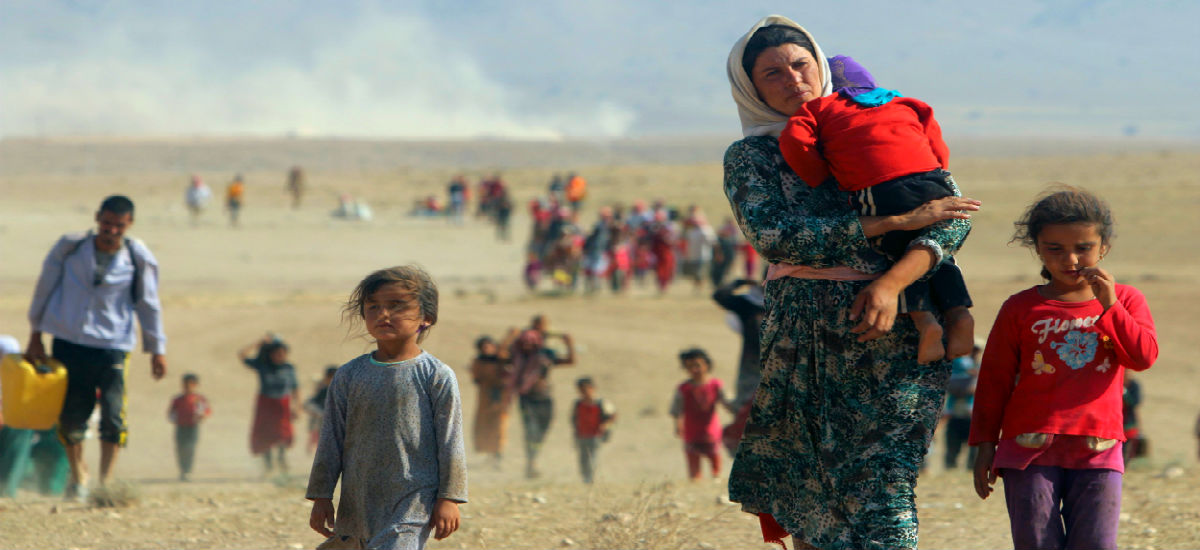
LOS ANGELES, CA (Catholic Online) - The ancient region of Nineveh in Iraq, one of the world's first Christian enclaves, has been emptied of its Christians. Islamic State terrorists have driven off or murdered the entire city's population of Christians. Across Iraq other Christians have fled en masse. Canon Andrew White, the only Anglican Vicar in Iraq told the Telegraph "Last week there was no communion in Nineveh for the first time in 2,000 years. All are closed, all their people have run away."
Despite the extreme dangers, Christians are permitted to live in the Islamic State, but only if they pay a punishing tax. All who could flee did so. Christians in other parts of Iraq have also fled, lacking confidence in that nation's security forces. According to Canon White, only the poor remain, without the means to flee or pay any taxes. Should the Islamic State resume its advance, these people will simply have to choose between conversion and martyrdom. Canon White expressed skepticism to The Telegraph that airstrikes would stop the Islamic State, and that he, along with many others, thought that troops would have to be on the ground to defeat the terrorists. He also acknowledged that nobody would want casualties, so he understands why no troops have been sent.
It isn't just Canon White who is pessimistic about the future of Christianity in Iraq. A priest named "Father Nawar" was on record in the Christian Post as saying "Christianity is finished in Iraq."
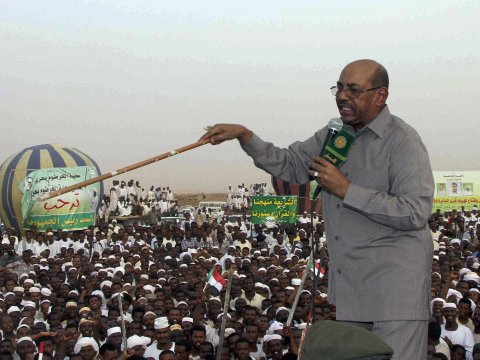
Autocratic regimes in the Middle East are black boxes, and experts constantly disagree over who really moves the levers of power in opaque or compartmentalized authoritarian systems.
Observers can give very different answers to this question — and the answer is sometimes known by only a small handful of regime insiders. When few people really know who's making the decisions within a place like Iran or Syria, it becomes harder for outside actors to formulate a response to those decisions.
A 30-page internal document obtained and published by researcher, activist, Smith College English professor and Enough Project senior fellow Eric Reeves gives a partial answer to these questions, in one country at least. The minutes of a high-level meeting among security officials in Sudan offers a glimpse into how the sausage is made within one notoriously opaque and deeply problematic Middle Eastern regime.
(On his website, Reeves claims the source of the document is unimpeachable and is firmly standing behind its authenticity. One Sudanese expert contacted by Business Insider said he believes the document is real, although another expressed skepticism about its veracity.)
The document captures the positions of major regime players on various important strategic issues, giving an idea of whose opinion counts — and whose doesn't. And it places some obscure and shadowy regime figures at the center of the decision-making process, including operatives whose names likely wouldn't be known to a majority of people inside Sudan itself.
BEIRUT: What Cameron Silver, fashion historian and philanthropist, does not know about fashion is not worth knowing. Named one of Time …
Population Movements to Keserwan - The Khazens and The Maans
ما جاء عن الثورة في المقاطعة الكسروانية
ثورة أهالي كسروان على المشايخ الخوازنة وأسبابها
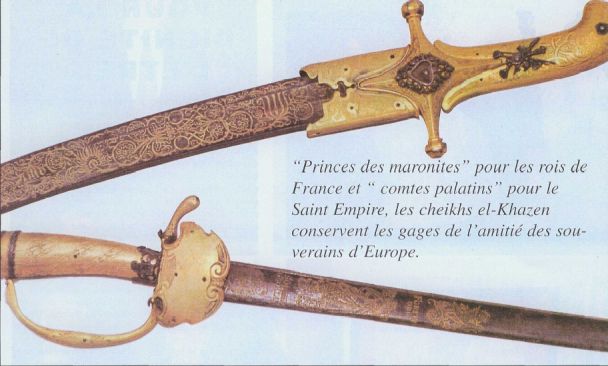
Origins of the "Prince of Maronite" Title
Growing diversity: the Khazin sheiks and the clergy in the first decades of the 18th century
Historical Members:
Barbar Beik El Khazen [English]
Patriach Toubia Kaiss El Khazen(Biography & Life Part1 Part2) (Arabic)
Patriach Youssef Dargham El Khazen (Cont'd)
Cheikh Bishara Jafal El Khazen
Patriarch Youssef Raji El Khazen
The Martyrs Cheikh Philippe & Cheikh Farid El Khazen
Cheikh Nawfal El Khazen (Consul De France)
Cheikh Hossun El Khazen (Consul De France)
Cheikh Abou-Nawfal El Khazen (Consul De France)
Cheikh Francis Abee Nader & his son Yousef
Cheikh Abou-Kanso El Khazen (Consul De France)
Cheikh Abou Nader El Khazen
Cheikh Chafic El Khazen
Cheikh Keserwan El Khazen
Cheikh Serhal El Khazen [English]
Cheikh Rafiq El Khazen [English]
Cheikh Hanna El Khazen
Cheikha Arzi El Khazen
Marie El Khazen