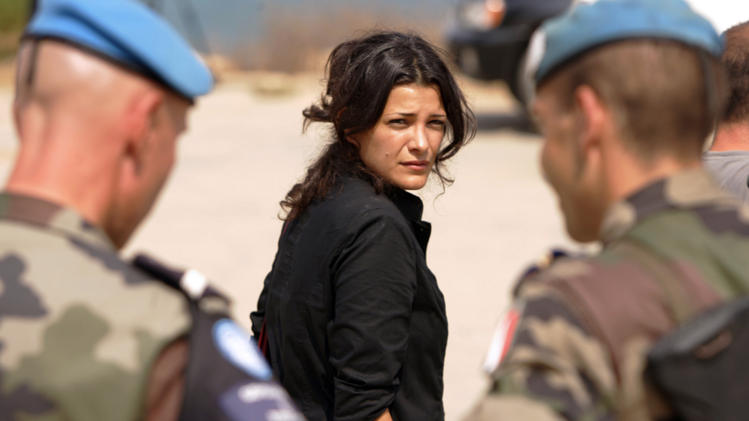
File picture of Lebanese actress Nada Abu Farhat in Sidiqin, during the shooting of "Summer Rain" by Director Philippe Aractingi
Lebanon's civil war ended a quarter of a century ago but its filmmakers remain fixated on this dark period, seeing their movies as a kind of catharsis to help heal collective trauma.
The industry's focus contrasts sharply with a society that has yet to come to terms with its devastating past, where war has marked the last five generations -- and each community, be it Christian or Muslim, looks back through a different lens.
The latest example to hit the screens is "Mirath" ("Heritages") by French-Lebanese filmmaker Philippe Aractingi.
Mingling fact and fiction, Aractingi shares with his children memories of the 1975-1990 war, his exile and his return home, a story to which most Lebanese can relate.
"The Lebanese tend to deny the past and the war" that pitted Christian militias against Palestinian groups and their Lebanese Muslim and leftist allies, Aractingi told AFP.
"So discussing the war through cinema is kind of cathartic. In 'Mirath', I talk about how we need to communicate with our children, so that (war) never returns."
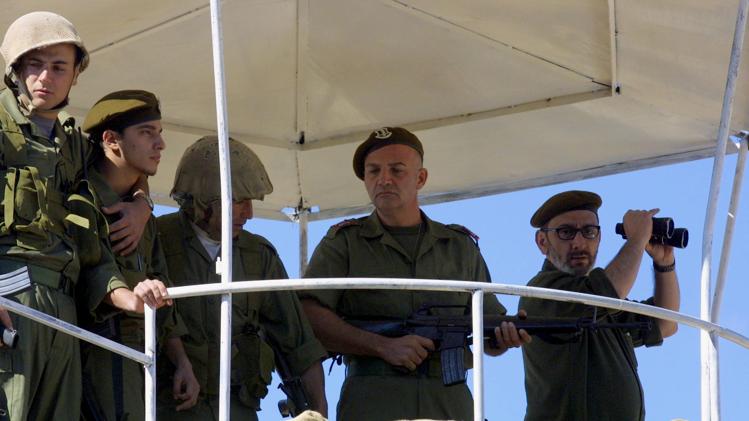
AFP / Ramzi Haidar
File photo of Lebanese musician and actor Ziad Rahbani (R)during shooting of late Lebanese director Randa Chahal's film "Cerf Volant"
Among Aractingi's other films are the 2005 "Bosta" (The Autobus) and the 2007 "Under the Bombs", which both represented Lebanon at the Academy Awards.
File picture of Lebanese actress Nada Abu Farhat in Sidiqin, during the shooting of "Summer Rain" by Director Philippe Aractingi
Lebanon's civil war ended a quarter of a century ago but its filmmakers remain fixated on this dark period, seeing their movies as a kind of catharsis to help heal collective trauma.
The industry's focus contrasts sharply with a society that has yet to come to terms with its devastating past, where war has marked the last five generations -- and each community, be it Christian or Muslim, looks back through a different lens.
The latest example to hit the screens is "Mirath" ("Heritages") by French-Lebanese filmmaker Philippe Aractingi.
Mingling fact and fiction, Aractingi shares with his children memories of the 1975-1990 war, his exile and his return home, a story to which most Lebanese can relate.
"The Lebanese tend to deny the past and the war" that pitted Christian militias against Palestinian groups and their Lebanese Muslim and leftist allies, Aractingi told AFP.
"So discussing the war through cinema is kind of cathartic. In 'Mirath', I talk about how we need to communicate with our children, so that (war) never returns."
AFP / Ramzi Haidar
File photo of Lebanese musician and actor Ziad Rahbani (R)during shooting of late Lebanese director Randa Chahal's film "Cerf Volant"
Among Aractingi's other films are the 2005 "Bosta" (The Autobus) and the 2007 "Under the Bombs", which both represented Lebanon at the Academy Awards.
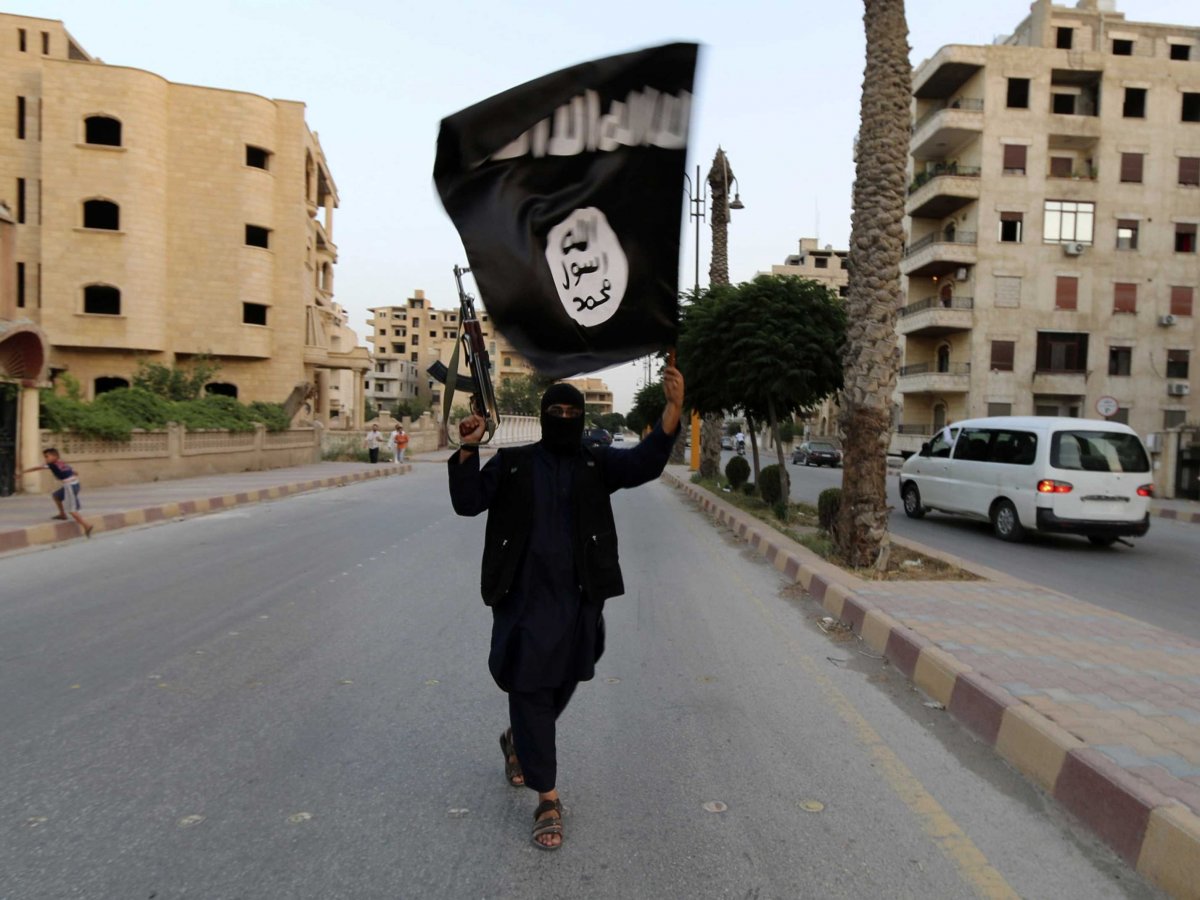
Residents of Iraq's second-largest city, which has been under the control of ISIS since early June, have reportedly started clashing with militants, Tim Arango reports for The New York Times. They're chafing under the brutal rule of an organization too extreme for Al Qaeda, even. But ISIS's assault on the region's cultural heritage has been particular cause for local alienation from the group.
The inhabitants of Mosul started to react negatively to ISIS' rule in the city after the militants razed a tomb that was thought to have contained the remains of the prophet Jonah. Jonah is revered in the Jewish, Christian, and Muslim faiths, and the tomb was one of the city's icons.
So far, resistance to ISIS's drive to destroy historic sites in the city — with almost 24 marked for demolition — has been patchy but nevertheless noticeable. A mass of citizens confronted ISIS fighters as they attempted to destroy the city's famed leaning minaret. According to witnesses, the landmark was saved.
Inhabitants of Mosul have claimed that residents of the city have formed armed gangs to counter ISIS. Bashar al-Kiki, the chairman of the Nineveh Provincial Council, of which Mosul is a part, told the Times that armed citizens had killed four ISIS militants.
“The people of Mosul are intensely angry at ISIS,” al-Kiki told The New York Times. “They can’t bear them anymore. This volcano of anger will explode soon.”
BEIRUT: Authorities will begin implementing the security plan for Beirut and the Bekaa next month, Interior Minister Nouhad Machnouk announced in …
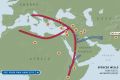
Population Movements to Keserwan - The Khazens and The Maans
ما جاء عن الثورة في المقاطعة الكسروانية
ثورة أهالي كسروان على المشايخ الخوازنة وأسبابها
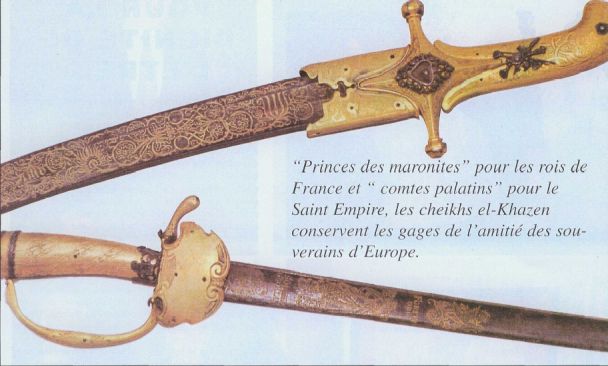
Origins of the "Prince of Maronite" Title
Growing diversity: the Khazin sheiks and the clergy in the first decades of the 18th century
Historical Members:
Barbar Beik El Khazen [English]
Patriach Toubia Kaiss El Khazen(Biography & Life Part1 Part2) (Arabic)
Patriach Youssef Dargham El Khazen (Cont'd)
Cheikh Bishara Jafal El Khazen
Patriarch Youssef Raji El Khazen
The Martyrs Cheikh Philippe & Cheikh Farid El Khazen
Cheikh Nawfal El Khazen (Consul De France)
Cheikh Hossun El Khazen (Consul De France)
Cheikh Abou-Nawfal El Khazen (Consul De France)
Cheikh Francis Abee Nader & his son Yousef
Cheikh Abou-Kanso El Khazen (Consul De France)
Cheikh Abou Nader El Khazen
Cheikh Chafic El Khazen
Cheikh Keserwan El Khazen
Cheikh Serhal El Khazen [English]
Cheikh Rafiq El Khazen [English]
Cheikh Hanna El Khazen
Cheikha Arzi El Khazen
Marie El Khazen