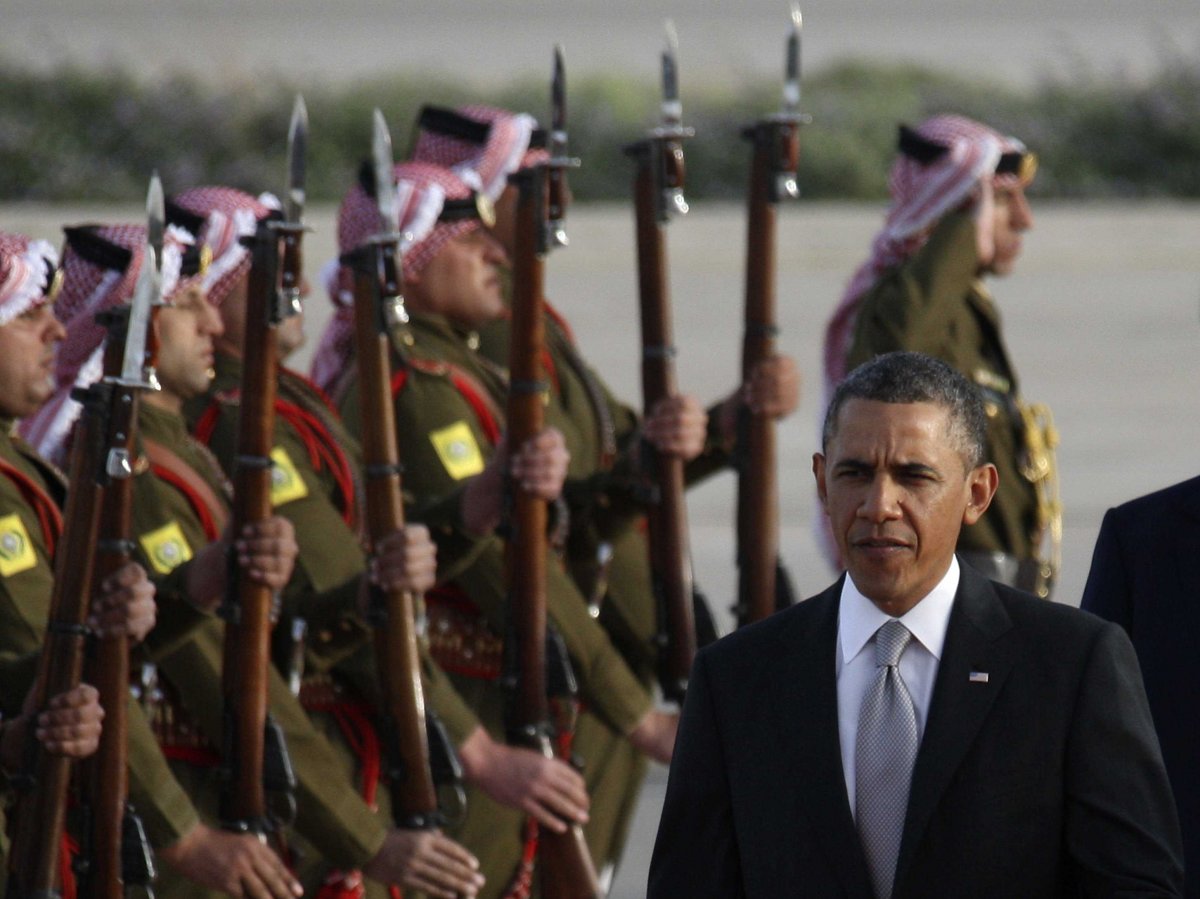
Politicians and pundits from Riyadh to Washington have castigated recent American foreign policy in the Middle East for being unfocused, misguided or harmful to national interests.
Contrary to these accusations however, the Obama policy is none of the above: It is a pragmatic approach that takes into account a progressive decline in the political and economic importance of the Middle East.
This policy change is currently making headlines in Syria where the United States, despite accusations of hypocrisy and strategic blundering, remains skittish about engaging in a conflict that is drawing in almost every other regional player, many of whom are long time American allies.
This policy change is also reflected in other recent developments in the region, such as Turkey’s courting of CPMIEC, a Chinese weapons manufacturer under US sanction, Saudi Arabia’s de-coupling from America’s intelligence networks and renewed dialogue with Iran. These diplomatic changes already reflect a very different Middle East than the one most politicians acknowledge.
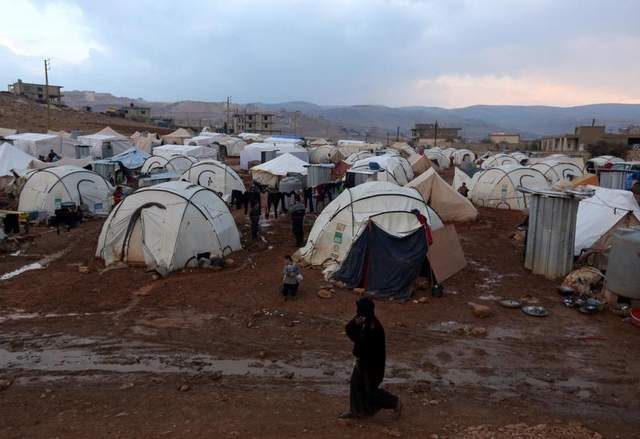
Lebanon is in danger of becoming a casualty of the war raging in neighboring Syria. It is not the fear of renewed civil war that has created this imminent crisis for Lebanon. More threatening is the flood of Syrian refugees that has overwhelmed the country, threatening it with economic collapse and challenging its capacity to survive as a nation.
It is only right that the world has focused on the terrible plight of the Syrian people. But the enormous effect on Lebanon of this continuing human tidal wave must also be considered. There are already more than 821,000 Syrian refugees in Lebanon, according to the Office of the United Nations High Commissioner for Refugees (UNHCR).
The UN agency estimates that if the Syrian war continues apace, by the end of this calendar year, the refugee total will equal a quarter of Lebanon’s normal population of 4 million.
The crisis has affected Lebanon on many levels. Because Lebanon has not built refugee camps, the Syrian exiles have moved into communities across the country. Many have crowded into low-income apartments, resulting in a housing shortage and a spike in rental rates, which have gone up by more than 40% in some areas. This has pushed some poorer Lebanese citizens out of the housing market, forcing them to become “internally displaced persons.”
A leading hotelier warned Thursday of grave consequences to Lebanon’s hotel industry if the crisis in Syria persists. “If the situation …
The Lebanese are wondering what the recent interim deal over Iran’s nuclear program means for them. There is a proverb that …



Population Movements to Keserwan - The Khazens and The Maans
ما جاء عن الثورة في المقاطعة الكسروانية
ثورة أهالي كسروان على المشايخ الخوازنة وأسبابها
Origins of the "Prince of Maronite" Title
Growing diversity: the Khazin sheiks and the clergy in the first decades of the 18th century
Historical Members:
Barbar Beik El Khazen [English]
Patriach Toubia Kaiss El Khazen(Biography & Life Part1 Part2) (Arabic)
Patriach Youssef Dargham El Khazen (Cont'd)
Cheikh Bishara Jafal El Khazen
Patriarch Youssef Raji El Khazen
The Martyrs Cheikh Philippe & Cheikh Farid El Khazen
Cheikh Nawfal El Khazen (Consul De France)
Cheikh Hossun El Khazen (Consul De France)
Cheikh Abou-Nawfal El Khazen (Consul De France)
Cheikh Francis Abee Nader & his son Yousef
Cheikh Abou-Kanso El Khazen (Consul De France)
Cheikh Abou Nader El Khazen
Cheikh Chafic El Khazen
Cheikh Keserwan El Khazen
Cheikh Serhal El Khazen [English]
Cheikh Rafiq El Khazen [English]
Cheikh Hanna El Khazen
Cheikha Arzi El Khazen
Marie El Khazen