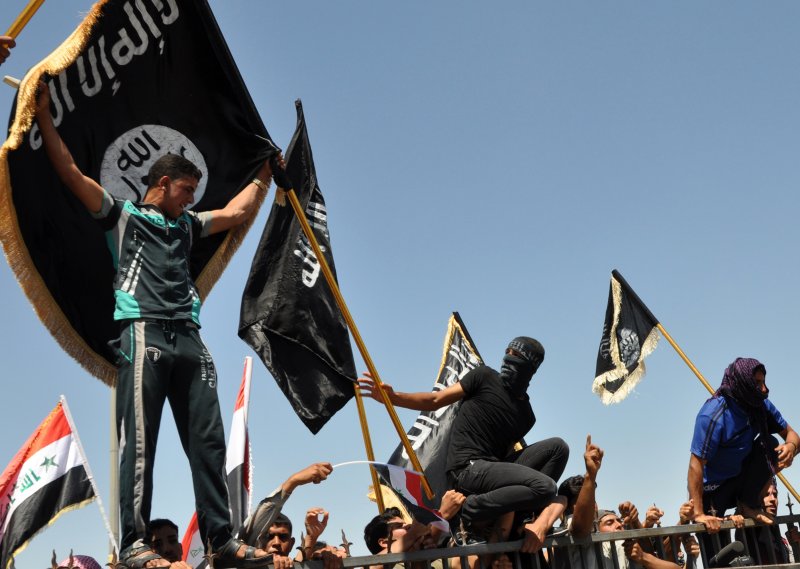
An extremist group is ruffling feathers, including those of its Islamist peers.
THE civil war in Syria, a nightmare for most Syrians, is a dream come true for the Islamic State of Iraq and al-Sham (ISIS), the latter name being variously translated as "Greater Syria" or "the Levant". The extremist group, formed in Iraq in 2006 as a broad jihadist front that includes al-Qaeda in Iraq, has had its best year to date for expansion. In Syria it runs a clutch of towns, taking it a step closer to its goal of creating a limitless Islamic caliphate. In Iraq its campaign of bombing against Shia Muslims, whom it considers heretics, and of assassinations of its opponents, has reached a new pitch of fury.
Syria's power vacuum has given it an ideal base. Since expanding into the country in April, ISIS has spread across the northern and eastern provinces abutting Iraq and Turkey to include thousands of fighters on both sides of the border. Its foreign leadership is experienced, its footmen, foreign and Syrian, well-trained and disciplined. Its control of Syria's oilfields has added wealth to the funds it gets from donors in the Gulf. It has sought to increase its popularity by providing services, such as supplying bread, and activities including Koranic classes for children.
But the group has ruffled feathers by becoming increasingly aggressive. It is fighting to control the border between Syria and Turkey. Last month it kicked out Northern Storm, a local rebel force, from Azaz, a staging post north of the Syrian city of Aleppo. Another border town under its control has been renamed the "emirate of Jarablus", complete with a religious school and posters extolling the virtue of the full veil for women.
On Saturday afternoon, members of the veteran community gathered at Litchfield’s Every War Memorial for a chance to honor the soldiers killed …
The family of Monsignor Mansour Labaki urged on Saturday Christian figures in the country to intervene with high authorities at the Vatican …




Population Movements to Keserwan - The Khazens and The Maans
ما جاء عن الثورة في المقاطعة الكسروانية
ثورة أهالي كسروان على المشايخ الخوازنة وأسبابها
Origins of the "Prince of Maronite" Title
Growing diversity: the Khazin sheiks and the clergy in the first decades of the 18th century
Historical Members:
Barbar Beik El Khazen [English]
Patriach Toubia Kaiss El Khazen(Biography & Life Part1 Part2) (Arabic)
Patriach Youssef Dargham El Khazen (Cont'd)
Cheikh Bishara Jafal El Khazen
Patriarch Youssef Raji El Khazen
The Martyrs Cheikh Philippe & Cheikh Farid El Khazen
Cheikh Nawfal El Khazen (Consul De France)
Cheikh Hossun El Khazen (Consul De France)
Cheikh Abou-Nawfal El Khazen (Consul De France)
Cheikh Francis Abee Nader & his son Yousef
Cheikh Abou-Kanso El Khazen (Consul De France)
Cheikh Abou Nader El Khazen
Cheikh Chafic El Khazen
Cheikh Keserwan El Khazen
Cheikh Serhal El Khazen [English]
Cheikh Rafiq El Khazen [English]
Cheikh Hanna El Khazen
Cheikha Arzi El Khazen
Marie El Khazen