President Michel Suleiman’s repeated denials that he is seeking the extension of his term does not mean that this possibility has been …
By Brooke Anderson The Daily Star
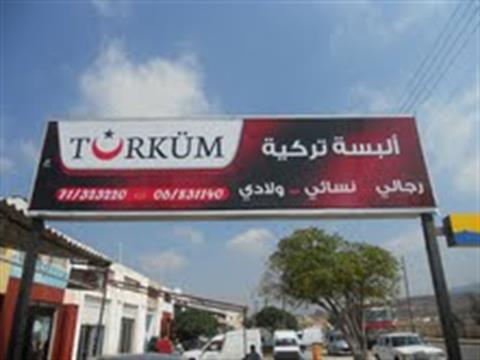
KAWEISHRA, Lebanon: The Turkish-language signs and red flags bearing white crescents and stars in this small mountainous village might make you think you’ve made a wrong turn. In fact, you’ve just entered the town of Kaweishra – Kavashra in Turkish – one of Lebanon’s few Turkmen villages.
“We’re the last Turkmen village where everyone still speaks Turkish,” Kaweishra mayor Mustafa Khodar says, sitting at the local Turkish restaurant Yildizlar, one of several local businesses inspired by his ancestral homeland.
BEIRUT: The Beirut Municipal Council’s first public hearing to discuss urban planning Wednesday ended in a heated debate over a controversial plan …
The State Department says all non-emergency workers who were ordered out of the U.S. Embassy in Beirut last month are being allowed …
Population Movements to Keserwan - The Khazens and The Maans
ما جاء عن الثورة في المقاطعة الكسروانية
ثورة أهالي كسروان على المشايخ الخوازنة وأسبابها
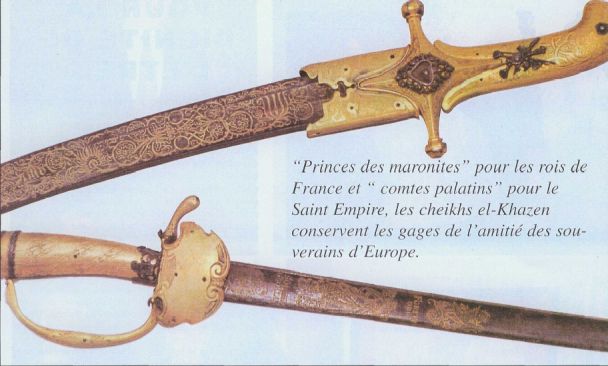
Origins of the "Prince of Maronite" Title
Growing diversity: the Khazin sheiks and the clergy in the first decades of the 18th century
Historical Members:
Barbar Beik El Khazen [English]
Patriach Toubia Kaiss El Khazen(Biography & Life Part1 Part2) (Arabic)
Patriach Youssef Dargham El Khazen (Cont'd)
Cheikh Bishara Jafal El Khazen
Patriarch Youssef Raji El Khazen
The Martyrs Cheikh Philippe & Cheikh Farid El Khazen
Cheikh Nawfal El Khazen (Consul De France)
Cheikh Hossun El Khazen (Consul De France)
Cheikh Abou-Nawfal El Khazen (Consul De France)
Cheikh Francis Abee Nader & his son Yousef
Cheikh Abou-Kanso El Khazen (Consul De France)
Cheikh Abou Nader El Khazen
Cheikh Chafic El Khazen
Cheikh Keserwan El Khazen
Cheikh Serhal El Khazen [English]
Cheikh Rafiq El Khazen [English]
Cheikh Hanna El Khazen
Cheikha Arzi El Khazen
Marie El Khazen