Cheikh Chafic El Khazen (1905-1977) Cheikh Chafic El Khazen was the son of Barbar Beik El Khazen, (أمير آلاي الجند اللبناني), and …
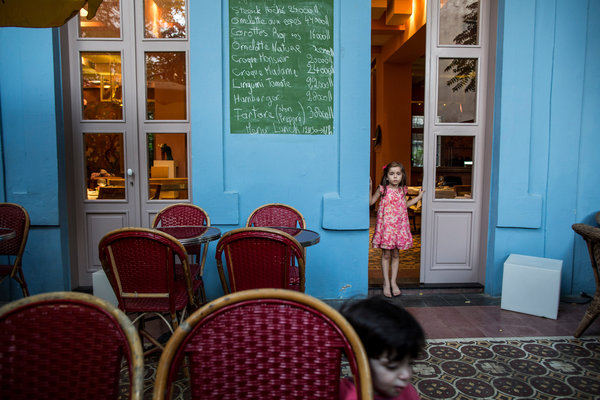
By JAY CHESHES NYTimes traveler - I was finishing an aperitif on the porch at Villa Clara while other guests tossed pétanque balls in the nearby yard. The hotel’s 4-year-old namesake cozied up to her papa, showing off her latest crayon creation. “Oh, c’est magnifique,” said Olivier Gougeon, a French chef and an owner of the property with his wife, Marie-Hélène, an editor of a French-language home décor magazine.
The tiny boutique hotel, its restaurant and guest rooms stocked with Parisian antiques, opened last year around the corner from an Asterix chicken shack and across the street from its neighborhood boucherie. But this was not Marseille or Lyon, it was the eastern edge of Beirut.
“A Frenchman can easily live in Beirut without feeling displaced,” said Mr. Gougeon, who moved to the Lebanese capital from Paris in 1999, as he sipped local wine in Villa Clara’s leafy backyard after cooking a dinner of crispy-skinned duck confit and old-fashioned île flottante.
For more than a century, through all manner of turmoil, including a 15-year civil war and, more recently, ongoing conflict in neighboring Syria, a distinctly French character has pervaded the city. Much of it is the legacy of the French colonial period — the mandate that lasted from 1920 to 1943 — but a cultural kinship goes back much further than that.
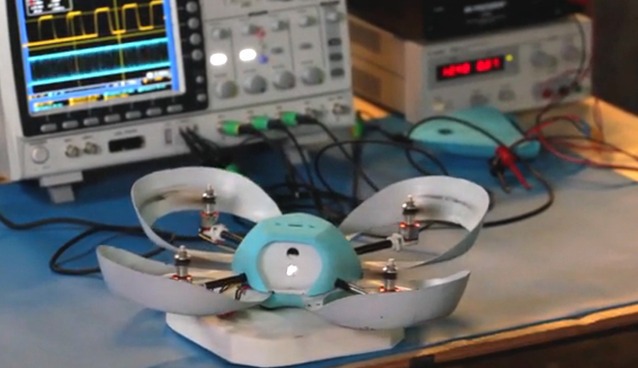
The Internet is a decentralized global network, designed to be resilient and hard to take down. But it's still possible to black out a certain area, or even an entire country, disconnecting it from the rest of the world.
That's what happened in Egypt in 2011 and three times in Syria in just the last year.
Were these waves of blackouts the result of technical failures? Or does Syrian President Bashar al-Assad's regime have stronghold over the country's Internet access? Most likely yes, according to experts.
"This is only possible if the government has complete control over the telecommunications infrastructure," said John Shier, of the security firm Sophos.
Even if Syria doesn't have complete control, it has a stranglehold over the network's single point of failure: the state-controlled Syrian Telecommunications Establishment (STE), which maintains "the primary flow of Internet traffic in and out of the country," according to David Belson, the editor of network security firm Akamai's State of the Internet quarterly report.
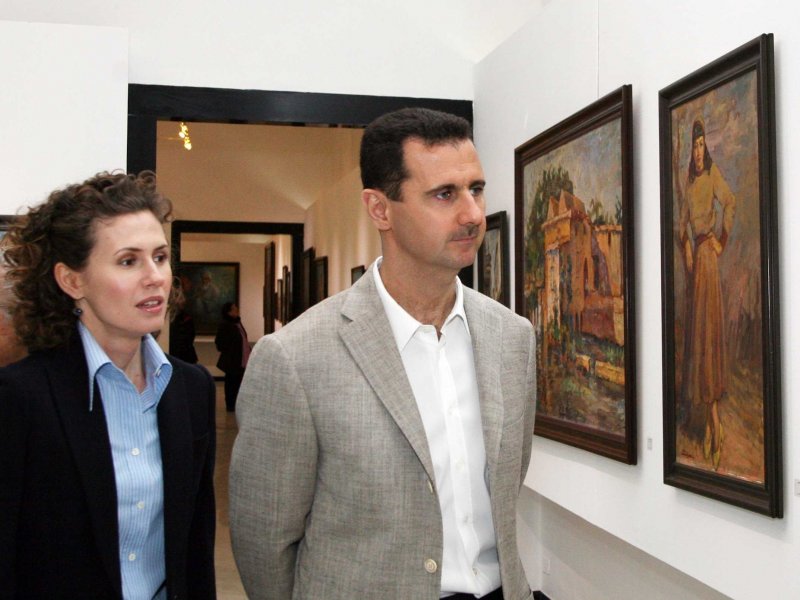
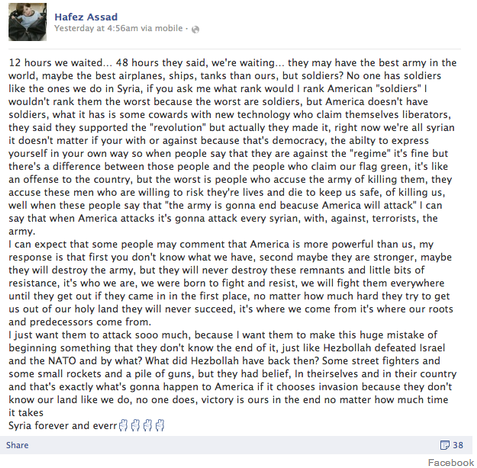
The 11-year-old son of Syrian president Bashar al-Assad is suspected of posting a diatribe on Facebook that calls American soldiers "cowards with new technology" and dared the U.S. to attack, Liam Stack of The New York Times reports.
Stack writes that if the post is a hoax, "it is either a highly elaborate one involving dozens of fake accounts purporting to belong to the children of other regime insiders, or a forgery so impressive that some of those children themselves — including the boy’s cousins — have been fooled."

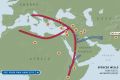
Population Movements to Keserwan - The Khazens and The Maans
ما جاء عن الثورة في المقاطعة الكسروانية
ثورة أهالي كسروان على المشايخ الخوازنة وأسبابها
Origins of the "Prince of Maronite" Title
Growing diversity: the Khazin sheiks and the clergy in the first decades of the 18th century
Historical Members:
Barbar Beik El Khazen [English]
Patriach Toubia Kaiss El Khazen(Biography & Life Part1 Part2) (Arabic)
Patriach Youssef Dargham El Khazen (Cont'd)
Cheikh Bishara Jafal El Khazen
Patriarch Youssef Raji El Khazen
The Martyrs Cheikh Philippe & Cheikh Farid El Khazen
Cheikh Nawfal El Khazen (Consul De France)
Cheikh Hossun El Khazen (Consul De France)
Cheikh Abou-Nawfal El Khazen (Consul De France)
Cheikh Francis Abee Nader & his son Yousef
Cheikh Abou-Kanso El Khazen (Consul De France)
Cheikh Abou Nader El Khazen
Cheikh Chafic El Khazen
Cheikh Keserwan El Khazen
Cheikh Serhal El Khazen [English]
Cheikh Rafiq El Khazen [English]
Cheikh Hanna El Khazen
Cheikha Arzi El Khazen
Marie El Khazen