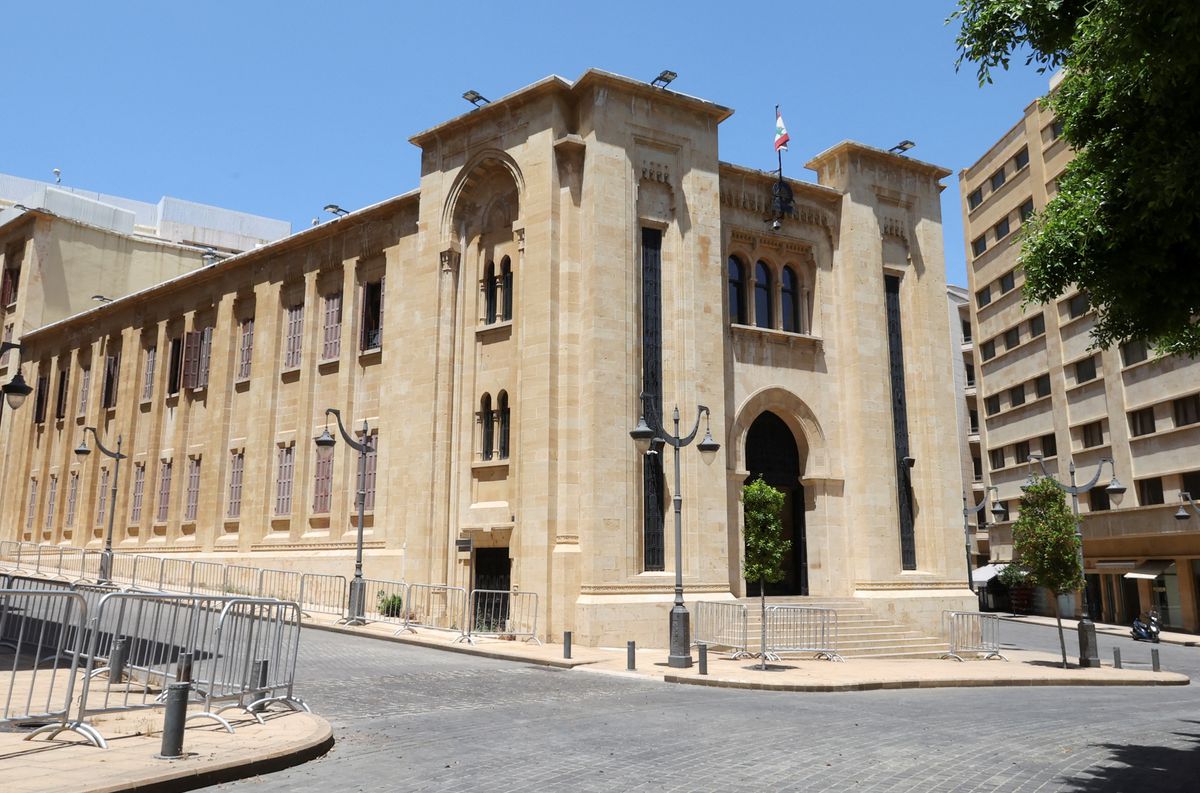
By AJ Naddaff -- middleeasteye.net -- Lebanon's first elections since the country was devastated by its worst-ever economic crisis have unseated household names in Lebanese politics, shifted majority blocs, and yielded a surprising breakthrough for independents. Middle East Eye takes a look at some of the elections' most notable winners and losers.
Hezbollah-Amal's prominent allies
While Hezbollah and their Amal Movement ally retained their dominance of Shia representation in parliament, some of their longtime Christian, Sunni and Druze allies lost their seats. The most prominent among the Hezbollah-allied unseated MPs is Talal Arslan. The Druze politician, hailing from one of Lebanon’s oldest political dynasties, was first elected in 1992. The prince of Druze Feudalism, known as the emir in Arabic, lost his seat in the Mount Lebanon IV constituency to Mark Daou, a newcomer campaigning on a reform agenda. Elie Ferzli, the longtime Greek Orthodox deputy speaker of parliament, is also a veteran MP who was defeated in the Bekaa II constituency. He lost to one of the more controversial opposition-backed candidates: Yassin Yassin. Scepticism surrounds Yassin, a millionaire who purchased some of former prime minister Saad Hariri’s old businesses yet presents himself as anti-establishment. In the north, Syria-aligned Faisal Karami, the heir of an influential political family in northern Tripoli, failed to get re-elected for a second term in parliament, although his list still won three seats. Karami’s father, Omar, served two terms as premier when Faisal was young.
New Christian majority on the block
By Ben Hubbard — NewYork times — nytimes — BEIRUT, Lebanon — Voters in Lebanon deprived the Hezbollah militant group and its …
by news.middleeast-24.com — The former US Assistant Secretary of State for Near Eastern Affairs, David Schenker, confirmed that “the Free Patriotic Movement …
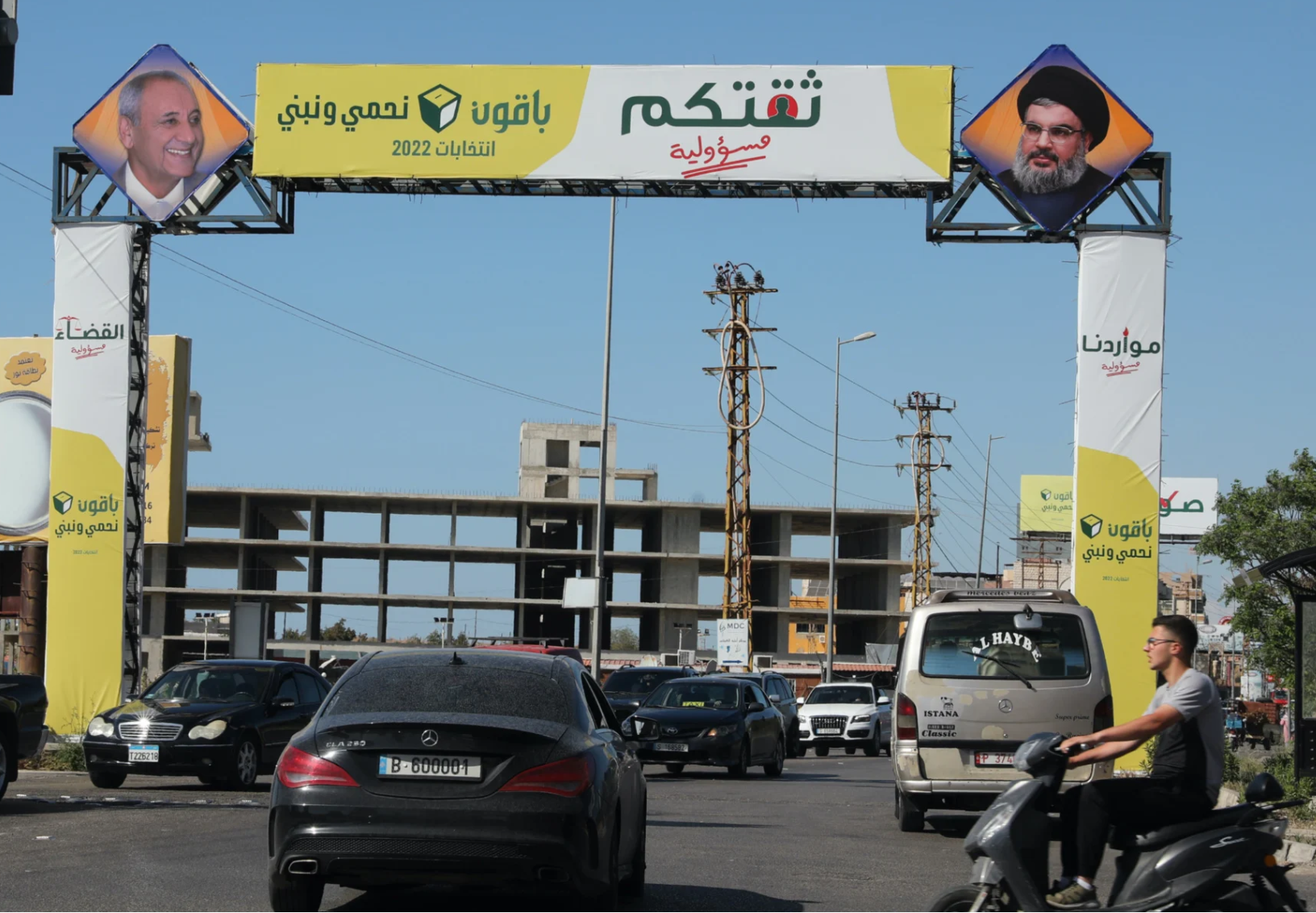
BEIRUT, (Reuters) - Iran-backed Hezbollah and its allies are likely to lose their majority in Lebanon's parliament, three sources allied to the group said on Monday, in a major blow to the heavily armed faction that reflected widespread anger at ruling parties. Sunday's election - the first since Lebanon's financial collapse and the Beirut port blast of 2020 - also produced wins for the Saudi-aligned Lebanese Forces (LF), a Christian party, and reform-minded candidates across sects. Their breakthroughs, however, could fracture parliament into several camps and polarise it more sharply between Hezbollah's allies and opponents. Those opponents are not currently united into a single bloc. The deadlock could derail reforms required to unlock support from the International Monetary Fund to ease Lebanon's economic crisis and delay parliamentary decisions on a speaker, a premier to form a Cabinet, and a new president later this year.
Preliminary results indicate a reversal of Lebanon's last election in 2018, when Hezbollah and its allies won 71 of parliament's 128 seats, pulling Lebanon deeper into the orbit of Shi'ite-led Iran and away from Sunni-led Saudi Arabia. Sunday's result could open the door for Riyadh to exercise greater sway in Beirut, long an arena of its rivalry with Tehran. There was no immediate comment from Saudi Arabia, but Iran on Monday said it respected the vote and had never intervened in Lebanon's internal affairs. The United States, which has imposed sanctions on Hezbollah, welcomed the elections and encouraged politicians to recommit to economic reforms.
'NATIONAL CELEBRATION'




Population Movements to Keserwan - The Khazens and The Maans
ما جاء عن الثورة في المقاطعة الكسروانية
ثورة أهالي كسروان على المشايخ الخوازنة وأسبابها
Origins of the "Prince of Maronite" Title
Growing diversity: the Khazin sheiks and the clergy in the first decades of the 18th century
Historical Members:
Barbar Beik El Khazen [English]
Patriach Toubia Kaiss El Khazen(Biography & Life Part1 Part2) (Arabic)
Patriach Youssef Dargham El Khazen (Cont'd)
Cheikh Bishara Jafal El Khazen
Patriarch Youssef Raji El Khazen
The Martyrs Cheikh Philippe & Cheikh Farid El Khazen
Cheikh Nawfal El Khazen (Consul De France)
Cheikh Hossun El Khazen (Consul De France)
Cheikh Abou-Nawfal El Khazen (Consul De France)
Cheikh Francis Abee Nader & his son Yousef
Cheikh Abou-Kanso El Khazen (Consul De France)
Cheikh Abou Nader El Khazen
Cheikh Chafic El Khazen
Cheikh Keserwan El Khazen
Cheikh Serhal El Khazen [English]
Cheikh Rafiq El Khazen [English]
Cheikh Hanna El Khazen
Cheikha Arzi El Khazen
Marie El Khazen