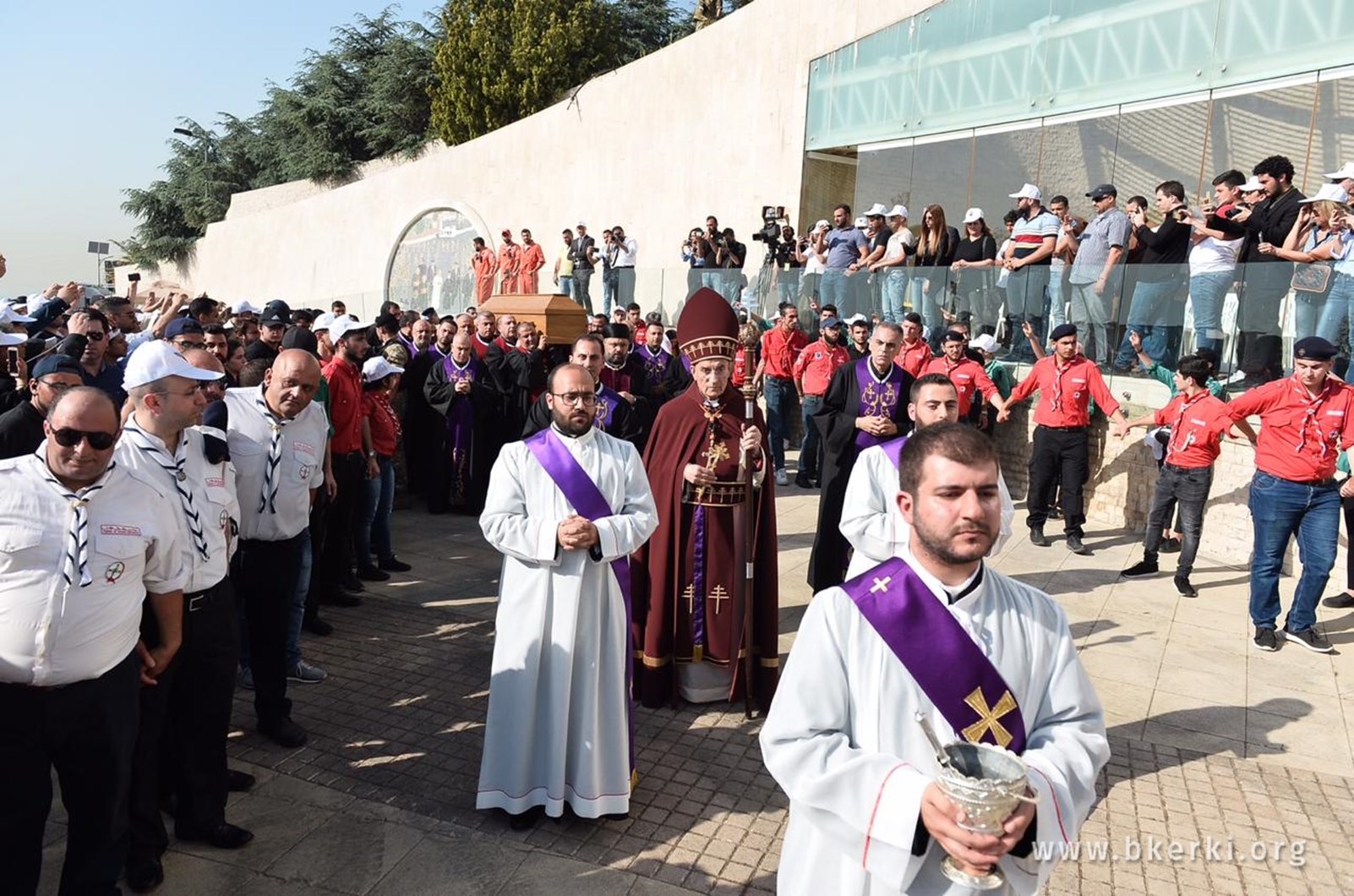
By Sarah Ayoub -- smh.com.au -- Almost 15 years ago, while sitting in a meeting among some church volunteers, a white Roman Catholic priest opined that the Maronites were taking over the Catholic Church in Australia. Despite knowing that I was Maronite, he continued ranting about certain Maronites in church leadership positions, while I, shocked to my core, sat there in silence taking it. Years later, when I began researching racism in Australia as part of my PhD, particularly as it affected teenage girls, I realised how much that encounter had traumatised me. It had been one of the most blatant displays of xenophobia I had ever experienced, and it took more than a decade for me to be ready to process it.
For those unfamiliar, the Maronite Rite is traced back to a 4th century Syrian Christian monk named Maron, who lived a life of austerity as a hermit in the Taurus Mountains. Persecuted for many years, the Maronites now make up a significant number of Arab Christians in the Middle East and the diaspora. It took my Muslim friend to remind me how ridiculous the priest’s accusations were. “Christianity was born in the Middle East,” she told me when I shared the experience. “If there’s anyone who should have a monopoly on it, it’s you.” Back then, I was the youngest in the room and bound by an idea of respect that I’m not sure I still espouse. But now, despite knowing there are an infinite number of good priests in the world, I also recognise that priests are men and therefore prone to flaws, and as we know, occasionally even evil. That priest had rubbished people in my community and led me to believe that my community had to better assimilate, or at least step back from taking up roles in the church in Australia, because we were different.
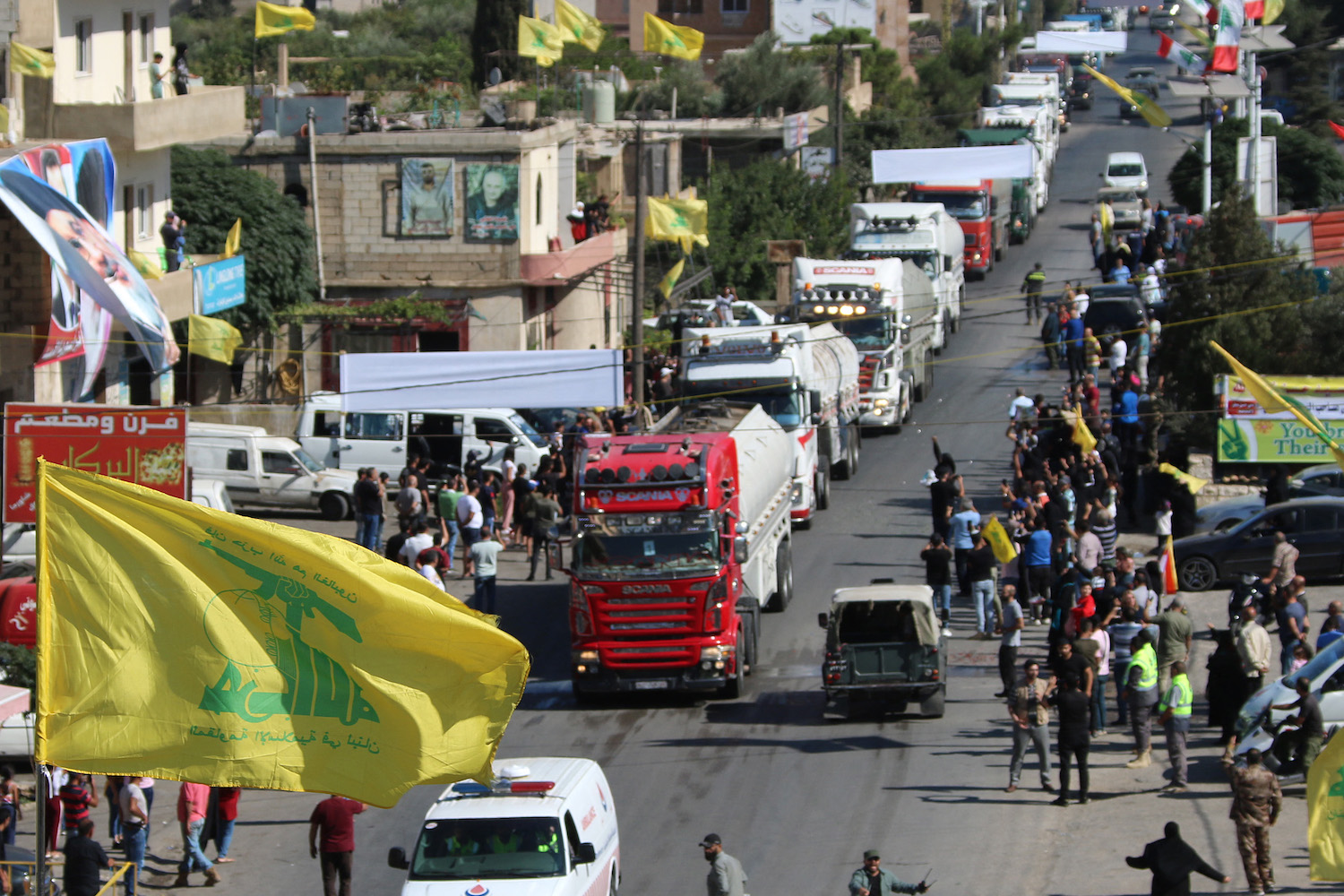
By Najia houssari -- arabnews.com -- BEIRUT: A total of 155 female candidates from different sects are contesting the Lebanese parliamentary elections scheduled for May 15. The only Shiite female candidate on the lists of Hezbollah and the Amal Movement is MP Inaya Ezzeddine. The remaining Shiite female candidates are trying to win seats previously secured by the Shiite duo. Choosing Ezzeddine to represent parliament Speaker Nabih Berri and the Amal Movement four years ago, in the 2018 parliamentary elections, was a deliberate move to establish “the movement’s openness to the importance of women's role in public affairs,” as Berri said at the time. But Hezbollah Secretary-General Hassan Nasrallah was very clear on “not involving women in political life because, in Lebanon, MPs offer condolences, participate in weddings and provide services, and we in Hezbollah do not accept that our women carry out such duties.”
This year might be the first time that Shiite women from Hezbollah’s entourage have stood up to the party. In the Baalbek-Hermel constituency, in northern Bekaa, six electoral lists are competing to win 10 parliamentary seats, including six for the Shiite sect. One list includes Hezbollah and the Amal movement, another includes members of local clans. The others draw candidates from civil society movements that do not seem to be hostile toward Hezbollah as their programs do not have demands related to the fate of the party’s weapons. But Sarah Mansour Zeaiter, a Shiite candidate running in the Baalbek-Hermel constituency under the Qadreen list, was subjected to verbal abuse and defamatory remarks from her family a few days ago.
The Zeaiter clan issued a statement explaining that she did not represent the family and that the clan remained loyal to the current MP and candidate for the upcoming elections Ghazi Zeaiter. The statement does not mention that Ghazi Zeaiter is a defendant in the probe into the Beirut port blast. In the Zahle constituency, in central Bekaa, eight lists are competing to win seven seats, including one Shiite seat. Among the competing lists is the Zahle for Sovereignty list backed by the Lebanese Forces, Hezbollah's arch-rival. The list bears the slogan: “Restoring sovereignty, liberating decision making, and direct confrontation with Hezbollah.”
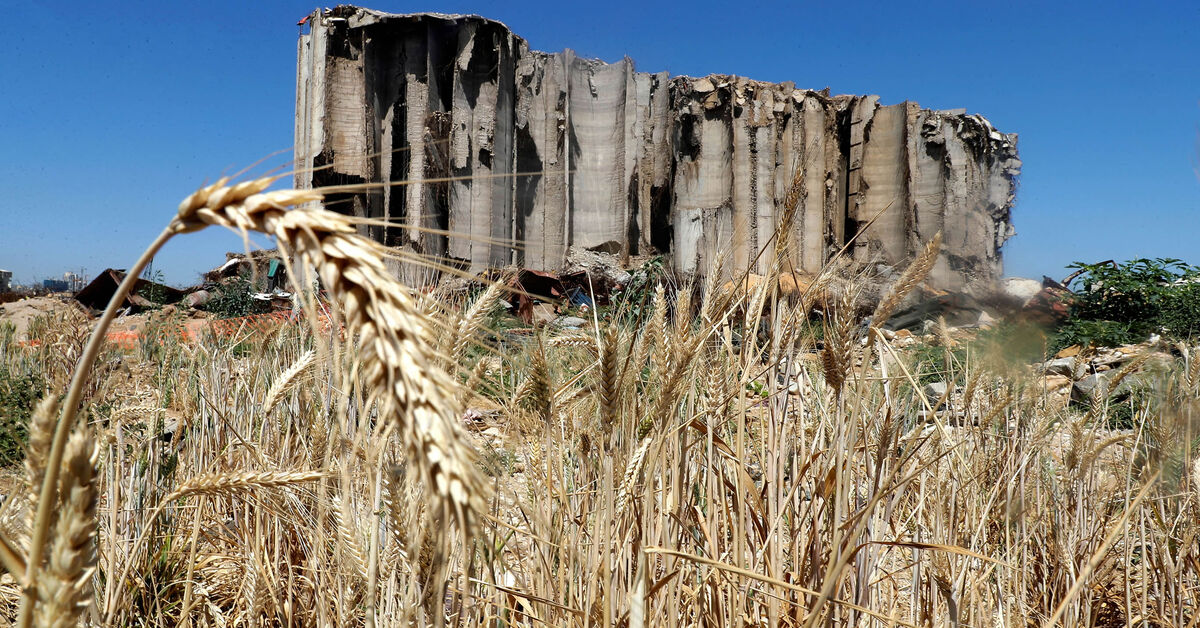
by reuters -- Lebanon's cabinet has approved the demolition of what remains of the grain silos at Beirut port which were at the site of the 2020 blast that destroyed much of the capital. Lebanese Information Minister Ziad Makari said a "technical report" had concluded the silos were likely to collapse in the coming months and said it would be too expensive to renovate them. The 4 August blast, caused by a neglected store of ammonium nitrate, left 215 people dead and wrecked much of the city around the port area. The silos are said to have taken the brunt of the explosion, limiting the spread of the destruction caused by the explosion.
Some families of those killed in the blast had called for the silos to be preserved as a memorial to the incident, which was widely blamed on rampant corruption and negligence within Lebanon's political class. However, Makari, speaking in televised comments after a cabinet session, said the country's interior and culture ministers were instead to be tasked with overseeing the creation of a separate memorial. Investigations into the explosion have been repeatedly delayed, halted and restarted over claims of judicial bias from a number of those under scrutiny. A number of senior officials have refused to be interviewed.
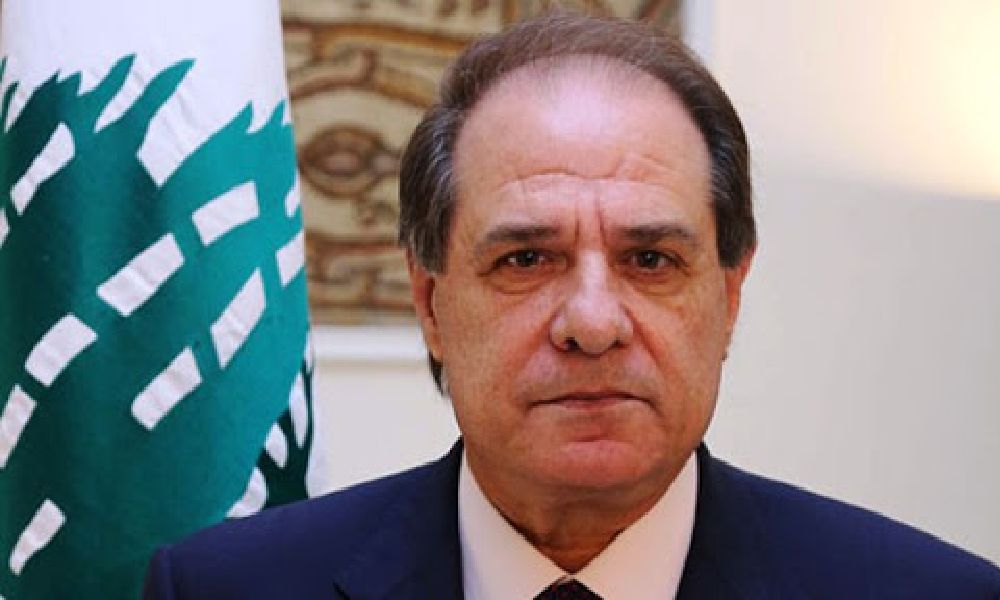
سجعان قزي
@AzziSejean
قبلَ 13 نيسان 1975 وبعدَه، ومحاولاتُ إنشاءِ أوطانٍ على حسابِ كيانِ لبنان تتوالى وتَندَحِرُ الواحدةُ تلو الأخرى. بقي لبنانُ مستقِلًّا ولو بدون سيادةٍ وواحِدًا ولو بدون وِحدة. منذ نشوءِ هذا الوطنِ "الذخيرة" وعيونُ المحيطِ عليه كعيونِ الحاسِدين. لماذا منه انطلَق الحرْف؟ لماذا ذُكِر في الكتبِ المقدّسة، لماذا زاره المسيح؟ لماذا صَمَد عبرَ العصور؟ لماذا أطلقَ النهضةَ العربيّة؟ لماذا تأسّسَت دولتُه سنةَ 1920؟ لماذا سُمِّيَ بـــ"سويسرا الشرق"؟ لماذا كان دَخلُ الفردِ فيه بالنسبةِ للناتجِ القوميِّ في المرتبةِ التاسعة عالميًّا؟ لماذا... لماذا هو وليس نحن؟ تارةً يريدون لبنانَ جُزءًا من وِحدةٍ عربيّةٍ وتارةً أخرى من وِحدةٍ إسلاميّة. طورًا جُزءًا من سوريا الكبرى وطورًا آخَرَ من إسرائيل الكبرى. حينًا من هلالٍ سُنيٍّ وحينًا آخرَ من هلالٍ شيعيّ.
حين يَكثُر أدْعِياءُ الحقوقِ في لبنان تَنتفي حقوقُهم ويَنكَشِفُ زَيْــفُــها ويَتأكّدُ أنَّ لبنانَ للبنانيّين وليس للبيعِ أو للإقراضِ مع أنّه بِيعَ وأُقرِضَ مرارًا من دون أن ينالَ بَدَلًا. المحزنُ أنَّ جميعَ تلك الادِّعاءاتِ وَجدَت صدىً لدى المكوِّناتِ اللبنانيّةِ، لا بل انطلقَ بعضُها من لبنان. والمحزنُ أيضًا أنْ حين تراجَعت ادّعاءاتُ الدولِ الخارجيّةِ بلبنان، بانَت دويلاتُ الداخلُ. وأُضيفَ إلى الصراعِ على لبنان صراعٌ في لبنان، وإلى الصراعِ على الكيانِ صراعٌ على الدولة. وها نحن اليومَ نواجِهُ قيامَ دولةٍ مذهبيّةٍ بموازاة، وأحيانًا مكانَ، دولةِ لبنان الديمقراطيّةِ والتعدّديّة.




Population Movements to Keserwan - The Khazens and The Maans
ما جاء عن الثورة في المقاطعة الكسروانية
ثورة أهالي كسروان على المشايخ الخوازنة وأسبابها
Origins of the "Prince of Maronite" Title
Growing diversity: the Khazin sheiks and the clergy in the first decades of the 18th century
Historical Members:
Barbar Beik El Khazen [English]
Patriach Toubia Kaiss El Khazen(Biography & Life Part1 Part2) (Arabic)
Patriach Youssef Dargham El Khazen (Cont'd)
Cheikh Bishara Jafal El Khazen
Patriarch Youssef Raji El Khazen
The Martyrs Cheikh Philippe & Cheikh Farid El Khazen
Cheikh Nawfal El Khazen (Consul De France)
Cheikh Hossun El Khazen (Consul De France)
Cheikh Abou-Nawfal El Khazen (Consul De France)
Cheikh Francis Abee Nader & his son Yousef
Cheikh Abou-Kanso El Khazen (Consul De France)
Cheikh Abou Nader El Khazen
Cheikh Chafic El Khazen
Cheikh Keserwan El Khazen
Cheikh Serhal El Khazen [English]
Cheikh Rafiq El Khazen [English]
Cheikh Hanna El Khazen
Cheikha Arzi El Khazen
Marie El Khazen