 BEIRUT, 29 January (IRIN) - About 10 years ago, Nadira and Amer Nahhas left the United Stated to settle in Lebanon, not realising that their children would live as foreigners in Nadira's homeland. "I am Lebanese, but my husband is a foreigner, this is why my children are foreigners," said Nadira. According to Article 1 of the Lebanese Domestic Law, only "the child born of a Lebanese father" is deemed Lebanese. While Lebanon acceded to the Convention on the Elimination of All Forms of Discrimination against Women in 1997, it placed a reservation on the article that stipulates that "states parties shall grant women equal rights with respect to the nationality of their children".The reservation exempts the government from having to implement the Article.
 DUBAI, 19 Jan 2006 (IRIN) - 24 May 2000: The Israeli army retreats from southern Lebanon after 22 years of occupation, although Israeli troops remain in the disputed Shebaa Farms region in the foothills of Mount Hermon.
27 August 2000: The first of two rounds of Lebanese legislative elections take place.
7 October 2000: The Shi
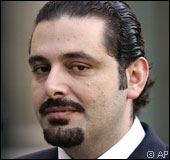 By Stephen Kaufman, Washington File White House Correspondent, Washington -- President Bush welcomed Lebanese member of Parliament Sa
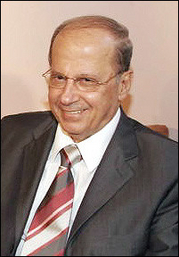 By Lin Noueihed, RABIEH, Lebanon, (Reuters) - Lebanese Christian opposition leader Michel Aoun said on Thursday the government should resign if it was unable to end a political crisis that has paralysed decision-making. Aoun, who heads a major parliamentary bloc but did not join a cabinet formed after Syria withdrew from Lebanon in April, called for early elections as a prelude to replacing pro-Syrian President Emile Lahoud, who has been under pressure to resign.




Population Movements to Keserwan - The Khazens and The Maans
ما جاء عن الثورة في المقاطعة الكسروانية
ثورة أهالي كسروان على المشايخ الخوازنة وأسبابها
Origins of the "Prince of Maronite" Title
Growing diversity: the Khazin sheiks and the clergy in the first decades of the 18th century
Historical Members:
Barbar Beik El Khazen [English]
Patriach Toubia Kaiss El Khazen(Biography & Life Part1 Part2) (Arabic)
Patriach Youssef Dargham El Khazen (Cont'd)
Cheikh Bishara Jafal El Khazen
Patriarch Youssef Raji El Khazen
The Martyrs Cheikh Philippe & Cheikh Farid El Khazen
Cheikh Nawfal El Khazen (Consul De France)
Cheikh Hossun El Khazen (Consul De France)
Cheikh Abou-Nawfal El Khazen (Consul De France)
Cheikh Francis Abee Nader & his son Yousef
Cheikh Abou-Kanso El Khazen (Consul De France)
Cheikh Abou Nader El Khazen
Cheikh Chafic El Khazen
Cheikh Keserwan El Khazen
Cheikh Serhal El Khazen [English]
Cheikh Rafiq El Khazen [English]
Cheikh Hanna El Khazen
Cheikha Arzi El Khazen
Marie El Khazen