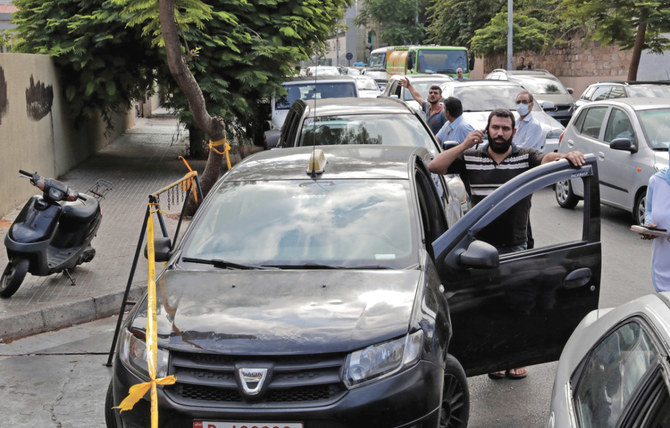
By Bassam Zaazaa -- arabnews.com -- DUBAI: Lebanese expats are angry with the government in Beirut, fearing they could lose touch with their families if the Internet goes down because of the country’s ongoing energy and financial problems. The director general of telecoms company Ogero, Imad Kreidieh, warned on Thursday that Lebanon’s Internet service could go down within 10 days due to a lack of US dollars and insufficient quantities of the diesel needed to keep broadcast stations and backup generators operating. Electricite du Liban has only been able to secure power for a few hours a day for institutions and households since June, especially after a government subsidy on diesel was lifted, and fuel prices have continued to increase. Fuel is being made available only in dollars and at a black market rate. Kreidieh said that Ogero’s budget was in Lebanese pounds, which has been devaluing against the dollar, leaving the company unable to obtain the currency needed to purchase the required quantities of diesel.
The situation has led Lebanese expats in the Gulf and Europe to slam Beirut. UAE-based corporate banker Rana Arbid said that if the Internet collapsed, then so would she. She accused Beirut of being “irresponsible and useless” and blamed the ruling elite for jeopardizing people’s lives and the means of communication. “No Internet means no channels that connect people together, especially for us Lebanese living abroad,” she told Arab News. “Internet and mobile applications are our tools and means to communicate with our relatives and friends.” Najib Youssef, a Germany-based sales manager, blamed an “unproductive government and administration” for disconnecting the diaspora from their families. “This government is just like previous ones, it is an infertile cabinet. By far, it has failed at administering the country. It has participated in killing all service sectors including telecommunications. If this happens, and I guess it will, that means killing us (expats) emotionally and mentally as the Internet is the only means to communicate with people inside,” said Youssef, who feared his two children would miss out on video chats with their grandparents every weekend.
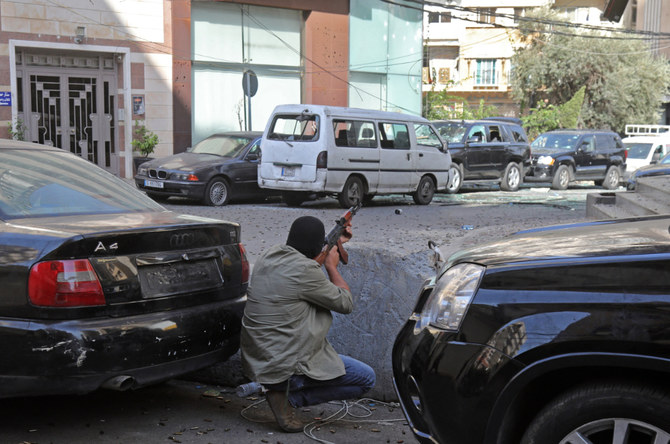
By Najia Houssari -- arabnews.com -- BEIRUT: The families of those arrested in the Tayouneh violence that occurred on Oct. 14, along with the families of those arrested in the Khalde incident that took place in early August, are up in arms over what they allege are the “biased actions” of the judicial authorities. The families have in recent days been reacting angrily about the lack of arrests of anyone associated with Hezbollah regarding either incident, “although the party and its gunmen were clearly involved in both.” The families are questioning whether the Lebanese military judiciary is turning a blind eye on those involved in the violence, or if the institution was shaken by the pressure Hezbollah exerts on every aspect of the state. Clashes had erupted in Khalde, south of Beirut, between Hezbollah members and residents affiliated to Arab tribes known as the “Arabs of Khalde,” during the funeral of Hezbollah official Ali Shibli. Two people died and several civilians were injured as a result.
The first acting military investigative judge, Judge Fadi Sawan, issued an indictment for the Khalde incident two days ago, referring 32 defendants, including 23 detainees from the Arabs of Khalde, to the military court for trial. However, he disregarded all Hezbollah affiliates who were involved in the clashes. Sawan requested that the defendants be tried for “forming an armed group with the intent of committing crimes against people, murder, attempted murder, inciting sectarian strife, vandalism and the use of unlicensed war weapons.” Hezbollah Secretary-General Hassan Nasrallah said that what happened in Khalde was “attempted murder, this massacre was committed by a gang.” He demanded that “all those involved, whose faces and names are well-known, be held accountable.”
كلنا يَعرف أنَّ دولةَ لبنان ما بَلغت مرحلةَ انهيارٍ شاملٍ كهذه التي بَلغَتها في ظلِّ هذا العهد، عهدِ حزب الله. وكُلّنا يَعرِفُ أنَّ دولةَ لبنان ما مرّةً ورَّطَت اللبنانيّين بقطيعةٍ ديبلوماسيّةٍ وسياسيّةٍ واقتصاديّةٍ مع دولِ الخليجِ كهذه التي ورَّطَهُم بها هذا العهد. واليوم زادَت معرِفتُنا ـــ فالثقافةُ نَبعٌ لا يَنضُب ـــ بأن دولةَ لبنان لم تَـنْزوِ في عُزلةٍ تامّةٍ كهذه التي انْتبَذَه فيها هذا العهد. الحقيقةُ ليست تجنيًّا، بل جرسُ إنذارٍ للالتحاقِ بالحقّ.
نَفهمُ أن تَطلُبَ دولةُ لبنان وَساطةَ أميركا مع دولةِ إسرائيل، العدوّ، لترسيمِ الحدودِ وتحديدِ حِصّةِ لبنان في المربَّعاتِ النفطيّة. لكنّه مُستهجَنٌ أنْ تَستجْديَ دولةُ لبنان شَفاعةً فرنسيّةً وأميركيّةً وقطريّةً وعُمانيّةً في أزْمتِها مع السعوديّةِ ودولِ الخليجِ العربيِّ، الشقيقةِ والصديقة، وهي مَن كانت تَتوسّطُ لنا مع الآخَرين لحلِّ أزَماتِ لبنان ووقْفِ حروبِه ومساعدتِه ماليًّا واقتصاديًّا. وغريبٌ بالمقابل، أنَّ الدولتين الوحيدتَين اللتَين لا يحتاجُ لبنانُ إلى وسيطٍ معهما هما: سوريا وإيران، أي الدولتَين اللتَين بسببِ تحالفِ الحكمِ اللبنانيِّ الحاليِّ معهما استراتيجيًّا، خَسِرنا أصدقاءَنا التاريخيّين ووُضِعنا في سجنٍ انْفراديّ.
العُزلةُ اللبنانيّةُ مزدوِجة: عُزلةُ دولةِ لبنان عن شعوبِ العالم، وعُزلةُ شعبِ لبنان عن دولته. وأصلًا إنَّ مُشكلةَ العالمِ مع لبنان هي ذاتُها مُشكلةِ اللبنانيّين مع حزب الله. وقبلَ أن تَسحَبَ دولُ الخليجِ الأربعُ سفراءَها من لبنان، سبَقَها الشعبُ اللبنانيُّ وسَحَبَ ثقتَه من دولتِه وأجْلى أجيالَه عنها وقَطعَ عَلاقاتِه معها. وكانت انتفاضةُ 17 تشرين الأوّل 2019 إحدى مظاهرِ هذه القطيعة.

By Maria Maalouf -- arabnews.com -- While campaigning ahead of last year’s US presidential election, Joe Biden made many suggestions that then-President Donald Trump had made a huge mistake by pulling America out of the Joint Comprehensive Plan of Action nuclear deal signed between the P5+1 world powers and Iran three years after it was concluded in 2015. Biden had doubts that Trump had done the right thing regarding Iran. The irony now is that members of his administration have also expressed doubts over whether Tehran intends to stop itself from gaining possession of nuclear weaponry. In a TV appearance this week, Secretary of State Antony Blinken said: “We still believe diplomacy is the best path forward for putting the nuclear program back in the box that (it) had been in under the agreement, the so-called JCPOA. But we were also looking at, as necessary, other options if Iran is not prepared to engage quickly in good faith to pick up where we left off in June.”
There are many problems with the statements made by Blinken. First, there is a great deal of contradiction between the way the Biden administration has expressed its doubts over Iran’s real intentions regarding its nuclear program and its strong desire to quickly resume the negotiations with Iran in Vienna. Second, the Biden White House seemingly lacks the courage to make clear-cut declarations about Iran cheating on every aspect of its nuclear program. A fair question is: If Biden and members of his national security team are critics of Iran’s nuclear policy, why have they accepted it as a serious negotiating partner? There is little logic to what Biden and his team are saying on Iran — that all difficulties can be overcome by the supposition that engaging Tehran in negotiations will make it more responsible in its foreign policy and defense policy. Dangerously, there is still too much vagueness regarding the Biden administration’s policy toward Iran.




Population Movements to Keserwan - The Khazens and The Maans
ما جاء عن الثورة في المقاطعة الكسروانية
ثورة أهالي كسروان على المشايخ الخوازنة وأسبابها
Origins of the "Prince of Maronite" Title
Growing diversity: the Khazin sheiks and the clergy in the first decades of the 18th century
Historical Members:
Barbar Beik El Khazen [English]
Patriach Toubia Kaiss El Khazen(Biography & Life Part1 Part2) (Arabic)
Patriach Youssef Dargham El Khazen (Cont'd)
Cheikh Bishara Jafal El Khazen
Patriarch Youssef Raji El Khazen
The Martyrs Cheikh Philippe & Cheikh Farid El Khazen
Cheikh Nawfal El Khazen (Consul De France)
Cheikh Hossun El Khazen (Consul De France)
Cheikh Abou-Nawfal El Khazen (Consul De France)
Cheikh Francis Abee Nader & his son Yousef
Cheikh Abou-Kanso El Khazen (Consul De France)
Cheikh Abou Nader El Khazen
Cheikh Chafic El Khazen
Cheikh Keserwan El Khazen
Cheikh Serhal El Khazen [English]
Cheikh Rafiq El Khazen [English]
Cheikh Hanna El Khazen
Cheikha Arzi El Khazen
Marie El Khazen