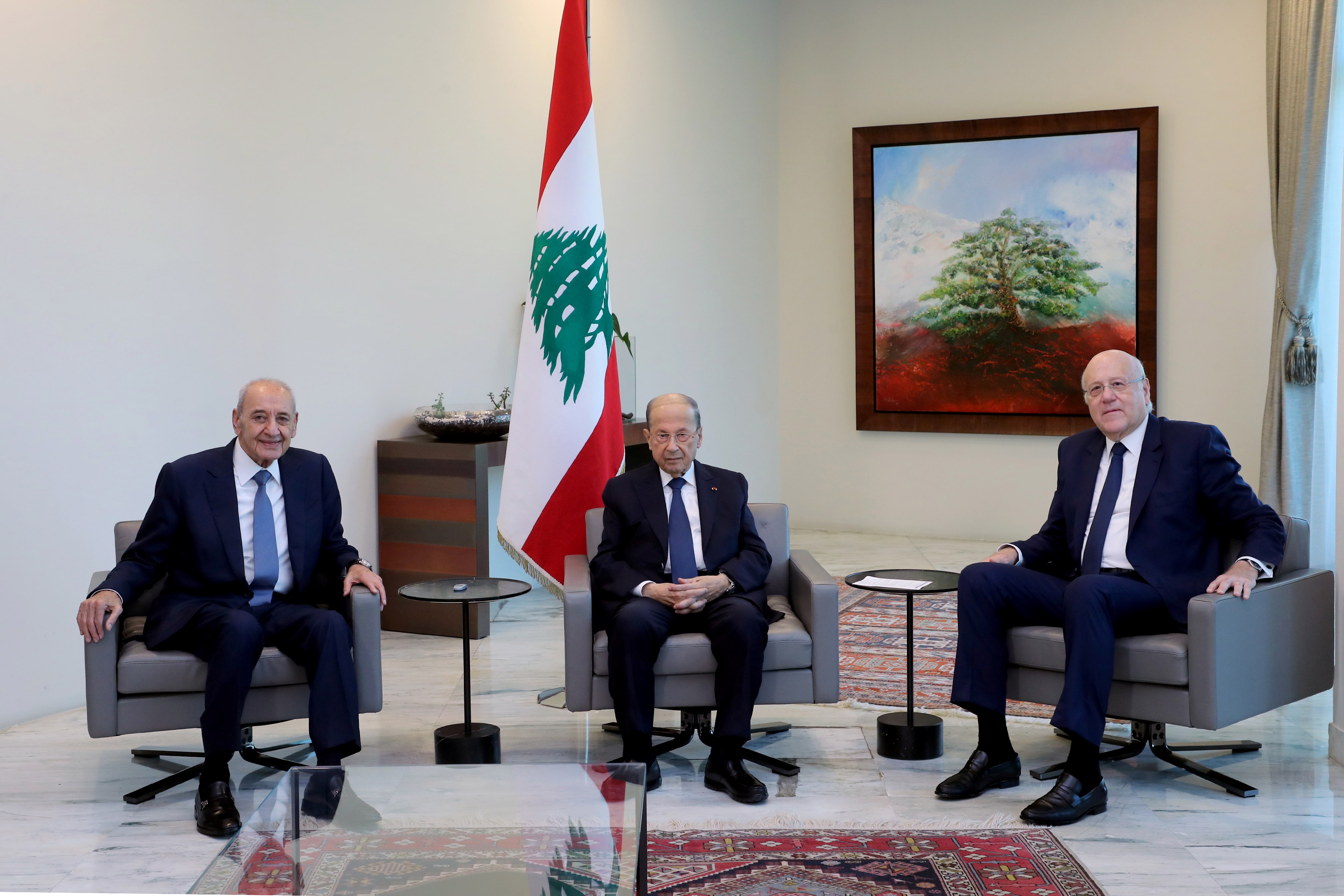
By Maha El Dahan -- reuters -- BEIRUT, (Reuters) - Lebanon's new Prime Minister Najib Mikati, who took office last week promising to revive IMF talks to unlock aid, said on Monday there was no time to lose and no easy path to tackle one of history's worst economic meltdowns. The new government, formed after more than a year of political stalemate, met for the first time on Monday, replacing a caretaker administration that had quit in the aftermath of last year's Beirut port explosion that killed hundreds, injured thousands and left large swathes of the capital destroyed. read more "It is true that we don't have a magic wand. The situation is very difficult," Mikati, a billionaire-turned-politician told the cabinet, according to a statement published after the government's first meeting. Lebanese hope the new administration will plot a path out of a crisis that has sunk the currency by some 90% since late 2019 and forced three quarters of the population into poverty.
Mikati pledged to help resolve shortages of fuel and medicine, supplies of which have dried up as the import-dependent nation's hard currency reserves have run out. State electricity is available for a few hours a day, if at all, and most Lebanese homes and establishments increasingly rely on private generators. A generator at a dentist's clinic in Tyre exploded on Monday leaving seven people injured, a reflection of the safety hazards of relying heavily on the alternative source of power.

وثيقةُ الوفاقِ الوطني، وبكونها العقد الاجتماعي بين ال#لبنانيين، تُشَكّلُ القاعدة المرجعية التي انبثق منها #الدستور اللبناني، والدستور هو قانونُ الدولة السياسيّ ويَتَضَمّنُ مجموعة من القواعد الأساسية التي تنظّمُ العلاقة بين سلطات الدولة كما تحدّد اختصاص كلٍّ منها وطرق ممارسة صلاحياتها بهدف إدارة شؤون الدولة الداخلية والخارجية.
من المُسَلّم بهِ أنّ العقد الاجتماعي يتَّصف بعدم الثبات نظراً الى اتّصاله بالسلوك الانساني والاجتماعي الذي يتّسم هو الآخرُ بالتّحوّل والتَغَيّر، وبخاصة في الدول التعدّدية مثل لبنان، حيث يتعرّض لِلاهتزاز تبعاً للتطور الديموغرافي ولتطور الأوضاع في الدول المحيطة بها، فيؤدي ذلك إلى خلل في تطبيق الدستور وإلى عدم الالتزام بروحه بسبب التباين في فهم وتفسير المفردات والمصطلحات المتعلقة بالاستقلال والحرّية والسيادة والديموقراطية والهوّية والعيش المشترك...لذلك ينبغي العمل على تحصين هذا العقد كي يبقى صالحاً لفترات طويلة ممّا يُرسي استقراراً سياسياً ينعكس نمواً اقتصادياً واستقراراً أمنياً وقانونياً واجتماعياً. إن عملية التحصين لا تَتِمّ إلّا عبر استكمال تطبيق الدستور وسَنّ القوانين وإصدار المراسيم التنظيمية الضرورية للتفسير والتطبيق كما والاجتهاد من ضمن روحية القانون بُغية الوصول إلى تعديلات تشرح بوضوح آليات حسن التنفيذ من دون أن تمسّ بجوهر العقد الاجتماعي أو بصلاحيات وبمسؤوليات مختلف السلطات التشريعية والاجرائية والقضائية.
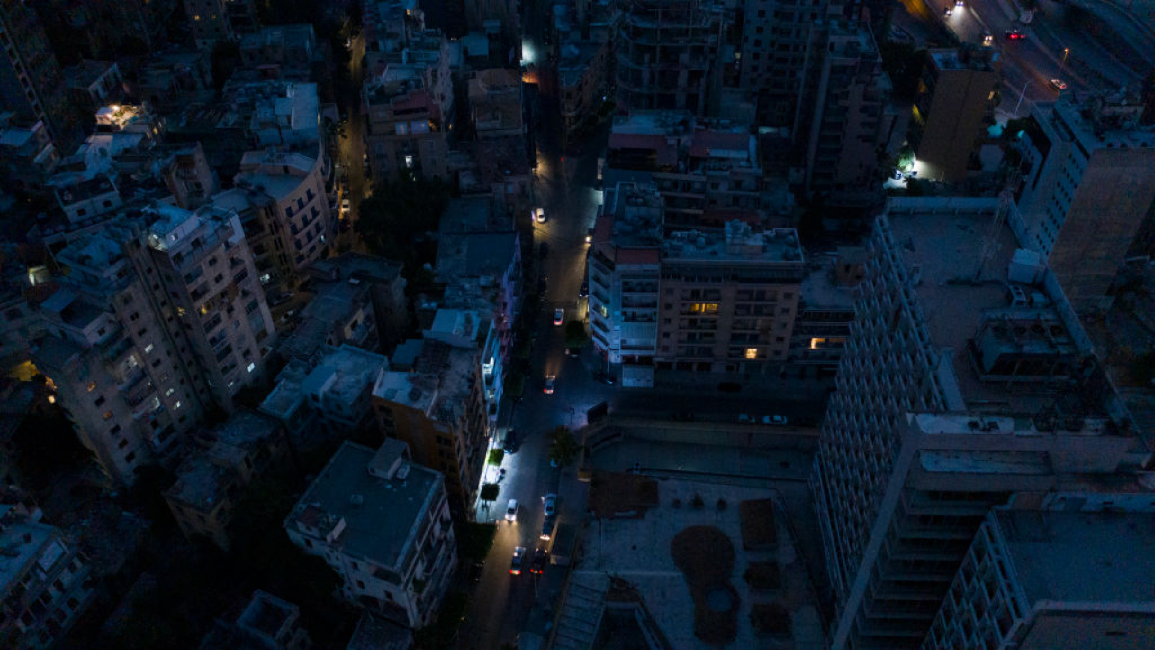
by english.alaraby.co.uk -- Lebanese Prime Minister Najib Mikati said on Sunday that his new cabinet’s priorities are to mend ties with Arab nations and solve the country’s pressing issues, particularly the energy crisis. "Now is not the time for political (bickering), but rather the time to get to work to lift Lebanon from its crises, put a stop to the collapse, and speed up work on solving the electricity crisis and finding quick solutions to it," Mikati said in comments to Almodon. Lebanon was plunged into an exacerbating energy crisis this year due to fuel shortages necessary for power plants and private generators, as the Lebanese Central Bank gradually lifts subsidies because of dwindling US dollar reserves. Mikati had previously said that the new government will be forced to lift subsidies completely on fuel, which could push the country further into crisis if no solutions are found immediately.
A 2009 agreement with Egypt recently brought back to light could see Lebanon import natural gas, as well as electricity from Jordan, to help solve the crisis. Electricity expenditure accounts to about half of Lebanon’s sovereign debt. Speaking to Almodon, Mikati preferred not to touch on sensitive political topics to avoid division in his new cabinet, but instead said he looked forward to cooperating with President Michel Aoun to achieve what was necessary. "This must start with a new governmental and political methodology, topped with restoring relations with all states, especially Arab countries. This is what should be focused on in the ministerial statement," he said. Ties between Lebanon and Gulf states have been rattled in recent years due to repeated attacks on their leaders by Hezbollah head Hassan Nasrallah. Gulf states have accused the Shia paramilitary group of assisting other Iranian-backed militias, such as Yemen’s Houthis, in launching drone attacks on Saudi Arabia.

By By Dale Gavlak -- voanews.com -- Following yearlong political paralysis that has sunk its economy, Lebanon finally has a new government. Analysts wonder, though, whether Prime Minister Najib Mikati, the country’s richest man, will deliver the needed reforms to revive the ailing nation and rescue Lebanon from bankruptcy. His Cabinet reinforces the country's crippling sectarianism and Gulf Arabs will be unlikely to provide financial help as long as Iran-backed Hezbollah maintains a stranglehold on power, the analysts say. Pressing Lebanese politicians to end their political bickering over portfolios, the U.S. and France welcomed the new government, saying urgent action must be taken to tackle the country’s dire economic crisis, especially after the deadly Beirut port blast in August of last year.
Lebanese analyst Dania Koleilat Khatib with the Issam Fares Institute at the American University of Beirut told VOA that after more than 13 months of waiting for a new government, the Lebanese people are disappointed with the resulting Cabinet, and desperate to stop the slide toward poverty and chaos they are experiencing. Most critically, she says that the finance minister who needs to resume talks with the International Monetary Fund on unlocking badly needed financial support, is viewed as unlikely to be tough enough on his former employer, the central bank, which is widely blamed for Lebanon’s bankruptcy. “They kept the same sectarian network, the same system," she said. "People were expecting change. Nothing new, same old, same old because still there will not be any reforms unless the Ministry of Finance is free put by a really independent person.




Population Movements to Keserwan - The Khazens and The Maans
ما جاء عن الثورة في المقاطعة الكسروانية
ثورة أهالي كسروان على المشايخ الخوازنة وأسبابها
Origins of the "Prince of Maronite" Title
Growing diversity: the Khazin sheiks and the clergy in the first decades of the 18th century
Historical Members:
Barbar Beik El Khazen [English]
Patriach Toubia Kaiss El Khazen(Biography & Life Part1 Part2) (Arabic)
Patriach Youssef Dargham El Khazen (Cont'd)
Cheikh Bishara Jafal El Khazen
Patriarch Youssef Raji El Khazen
The Martyrs Cheikh Philippe & Cheikh Farid El Khazen
Cheikh Nawfal El Khazen (Consul De France)
Cheikh Hossun El Khazen (Consul De France)
Cheikh Abou-Nawfal El Khazen (Consul De France)
Cheikh Francis Abee Nader & his son Yousef
Cheikh Abou-Kanso El Khazen (Consul De France)
Cheikh Abou Nader El Khazen
Cheikh Chafic El Khazen
Cheikh Keserwan El Khazen
Cheikh Serhal El Khazen [English]
Cheikh Rafiq El Khazen [English]
Cheikh Hanna El Khazen
Cheikha Arzi El Khazen
Marie El Khazen