Born in Lebanon at the beginning of the twentieth century, Marie el Khazen evolved into a modern, unconventional woman in a patriarchal society; a member of one of the oldest Lebanese families. Independent and with the famed Khazen sense of humor, her love of life and freedom inspired pastimes that encompassed broderie (with porcupine needles!), taxidermy, riding, driving, hunting, fishing, a fondness for animals, a love of literature and of course photography, at which she became famous only after her death. She grew up in a mansion in Tallet el Khazen, near Zgharta; her father being Said el Khazen, her mother Wardeh Torbey, and her grandmother Sultana Daher, the wife of Sheikh Fendi el Khazen, from Ghosta.
Rather than turning professional, Marie remained a serious amateur photographer. With her Eastman Kodak camera and keen on experimenting, she had the skills to set up and use her own darkroom. She would pose, and occasionally dress up her subjects, such as in the 1929 portrait of Two Women Disguised as Men, in which both Marie el Khazen and Alice her sister are sitting on plush chairs with their legs crossed, beneath an ancestral portrait within a handsome room in Talle. Dressed in suits and ties and wearing tarbooshes (traditional Arab hats), they are enjoying cigarettes in long elegant holders of the period, and seem to be comfortable, even complacent in their newfound freedom.
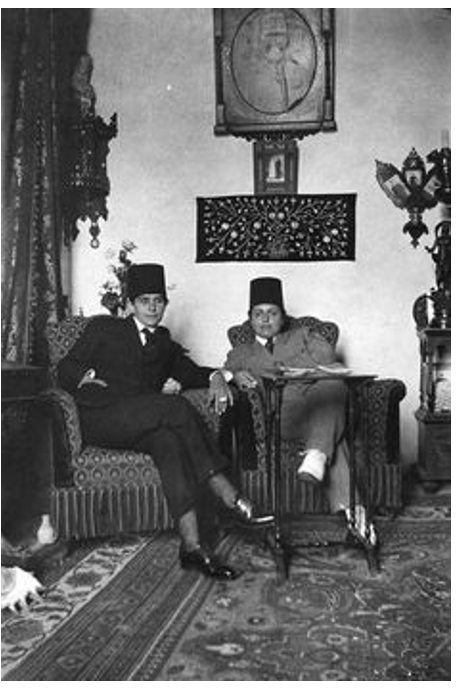
The New York Times art critic Adam Shatz said of it: "Such pictures don't come along often, but once seen, they are impossible to forget, lodging themselves in the mind with the visceral force of revelation."

سجعان قزي
وزير سابق
@AzziSejean
يستطيعُ حزبُ الله أو أيُّ حزبٍ آخَر أن يطالبَ بتعديلِ دستورِ لبنان. هذا حقٌّ شرعيٌّ لأيِّ مواطنٍ أو جماعة. نحن أيضًا لدينا ملاحظاتٌ على الدستورِ، إذ نُطالب بإدخالِ مبدأِ الحيادِ عليه. لكن ما هو غيرُ مسموحٍ لنا ولحزبِ الله أن نَعملَ على تغييرِ المجتمعِ اللبنانيّ. قبلَ أن يكونَ لبنانُ دولةً وكِيانًا كان مجتمعًا؛ وهذا ما ساعَدَنا على الصمودِ قبلَ نشوءِ دولةِ لبنانَ الكبير وبعدَ نشوئِها. هو المجتمعُ، لا الدولةُ، ما أتاح للبنانيّي الجبلِ مواجهةَ الاحتلالَين الـمَمْلوكيّ والعُثماني. وهو المجتمعُ، لا الدولةُ، ما مَكَّنَ لبنانيّي السيادةِ والاستقلالِ والتحريرِ من مواجهةِ الاحتلالَين السوريّ والإسرائيليّ. وهو المجتمعُ، لا الدولةُ، الذي حافظَ سنةَ 1975 ـــ وما بعدَها ـــ على لبنان رغمَ انقسامِ مؤسّساتِ الدولةِ الدستوريّةِ والأمنيّةِ والعسكريّة. وكان مجتمعُنا الوطنيُّ يَملِكُ قضيّةً مُثلَّثةَ الأضلع: أمنٌ، حريّةٌ، وحضارة.
طوالَ ثلاثينَ سنةً أمضاها في مرابعِ لبنان، غَيّرَ الاحتلالُ السوريُّ الطبقةَ السياسيّةَ الاستقلاليّةَ، وفرَضَ مجموعةً تابعةً له وتركَها خلْفَه وديعةً تُرَفْرِف. لكنّه لم يبالِ كثيرًا بتغييرِ المجتمعِ اللبنانيّ، لا بل فُتِنَ السوريّون، ضبّاطًا وسُيّاحًا، في حياةِ بعضِ اللبنانيّين وزاغوا وتَغلْغلوا في الليالي واقتَبسوا جوانبَ سطحيّةً نَقلوها إلى الشام. إلّا أنَّ ما خالَطَه السوريّون آنذاك ما كان المجتمعَ اللبنانيَّ الصامِد، بل مجتمعَ أوراقِ تسهيلِ المرور...

by Farrah Berrou -- eater.com -- The modern nation of Lebanon might be only 100 years old, but the wine trade here has been around for more than 5,000 years, thanks to a longitudinal coastline that runs the entire length of the country. Ancient Phoenicians shared amphorae with bustling port cities across the Mediterranean and shipped wine and other goods to the rest of the stops on their route, from Alexandria, Egypt, to Cádiz, Spain. Today’s Lebanese wine industry is small — its total production would barely match the output of one boutique winery in Italy — but mighty. Its growth really hit its stride in the early 2000s after the end of the 15-year civil war, and the country’s numerous vineyards now produce grapes for close to 80 official and unofficial local wineries. With Syria to the east and Israel/Palestine to the south, Lebanon’s limited square footage for wine production is often split into four or five distinct appellations and further segmented into varying microclimates clustered across the Bekaa Valley, where the majority of grapes are harvested.
Contrary to the grainy, yellow filter deployed by Hollywood, Lebanon is not made up of sand dunes. What it does have are mountain ranges cresting at nearly 10,000 feet above sea level, a valley floor at 3,000 feet, a natural water table, predominantly limestone soils, and 300 days of sunshine each year. The overall weather and topography are ideal for the kind of diverse, low-intervention grape-growing that makes for truly great wine. The irony in this overview is the enduring need for it to be included here in the first place — or in any piece of writing on the subject of Lebanese wine.
by reuters — A Lebanese music composer close to the president’s party is believed to be detained in Saudi Arabia for unknown …




Population Movements to Keserwan - The Khazens and The Maans
ما جاء عن الثورة في المقاطعة الكسروانية
ثورة أهالي كسروان على المشايخ الخوازنة وأسبابها
Origins of the "Prince of Maronite" Title
Growing diversity: the Khazin sheiks and the clergy in the first decades of the 18th century
Historical Members:
Barbar Beik El Khazen [English]
Patriach Toubia Kaiss El Khazen(Biography & Life Part1 Part2) (Arabic)
Patriach Youssef Dargham El Khazen (Cont'd)
Cheikh Bishara Jafal El Khazen
Patriarch Youssef Raji El Khazen
The Martyrs Cheikh Philippe & Cheikh Farid El Khazen
Cheikh Nawfal El Khazen (Consul De France)
Cheikh Hossun El Khazen (Consul De France)
Cheikh Abou-Nawfal El Khazen (Consul De France)
Cheikh Francis Abee Nader & his son Yousef
Cheikh Abou-Kanso El Khazen (Consul De France)
Cheikh Abou Nader El Khazen
Cheikh Chafic El Khazen
Cheikh Keserwan El Khazen
Cheikh Serhal El Khazen [English]
Cheikh Rafiq El Khazen [English]
Cheikh Hanna El Khazen
Cheikha Arzi El Khazen
Marie El Khazen