
by Michael Fahy -- .thenational.ae -- A sharp increase in consumer price inflation is “a potent illustration of the severity of Lebanon’s crisis”, which could deteriorate unless the government takes urgent action, according to emerging markets research company Tellimer. Official figures published earlier this week showed a year-on-year increase in consumer price inflation from 56.5 per cent in May to 89.7 per cent in June as the value of the Lebanese pound continued to fall, causing the prices of food and other basics to rise.
Although Lebanon officially maintains its currency peg at 1,507.5 pounds to the US dollar, its value on the black market has declined by 75 per cent so far this year. The currency fell by 50 per cent from the end of May, according to Patrick Curran, a senior analyst at Tellimer Research, with the pound currently trading at about 8,200 to the dollar. “Lebanon’s US dollar peg has effectively subsidised imports since its inception in 1997, allowing Lebanon to consume beyond its means, but hollowing out industry in the process,” Mr Curran said. He said the “economy is, thus, extremely import-dependent” and cited the most recent gross domestic product figures from 2018 that showed imports accounting for about 40 per cent of the household consumption.
by greekcitytimes.com — A day of mourning for Hagia Sophia (Church of the Holy Wisdom) and for all Christians. All around Greece, …
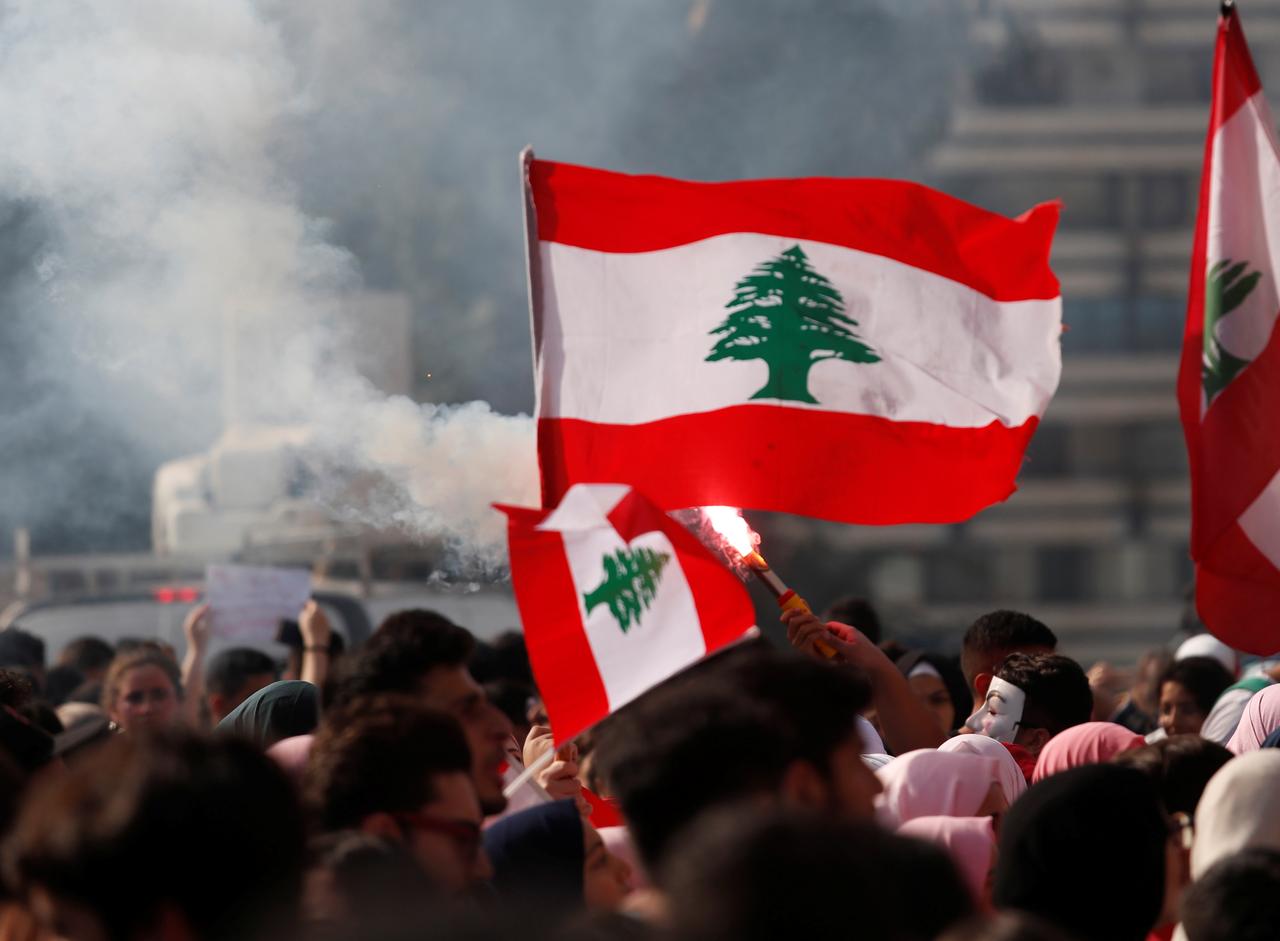
by arabnews.com -- ZAID M. BELBAGI -- There was a time when Lebanon’s “Zuama,” or confessional-come-political leaders, held sway in their respective communities. Their role in providing access to opportunities, amenities and basic provisions was central to their support. They were free to politic in Beirut, becoming billionaires in the process, while their supporters muddled through the developmental challenges that are part of any emerging economy. In 2019 this changed, as the Lebanese people took to the streets to voice their opposition to a worsening state of affairs. As the government made only cosmetic changes the Lebanese pound slumped, and just when many people thought the former “Paris of the East” had reached the brink, the global pandemic broke the back of the country while its effete elites looked on from their mountainside second homes. The middle class had been cocooned in luxury apartments surrounded by imported foreign domestic staff, living to almost European standards. Now, however, they find themselves bartering for food and kitchen appliances.
The artificial development of Lebanon’s economy following the Civil War has come unstuck. The Lebanese pound has fallen to a sixth of its previous value, exacerbating the problems faced by the working class, whose modest savings are now worth a pitiful amount. With clinics closed because doctors’ salaries have gone unpaid, importers of medical supplies have gone bust and lifesaving drugs are hard to come by at a time when a health care crisis has taken hold. For those that still have jobs and are being paid, minor procedures cost more than a month’s wages. The cost of basic groceries is almost as crippling. With inflation spiraling out of control and a likely famine on the horizon, the average Lebanese citizen awaits even more challenging times. The current situation has completely shattered the veneer of progress that followed the Taif Agreement that brought the country’s bitter Civil War to an end in 1990. As bullet holes were plastered over, a construction boom gave the impression of a newly confident state.
by albawaba.com — Lebanese singer Haifa Wehbe’s ex-manager Mohammad Waziri was arrested earlier this week for stealing $4 million from the artist. …




Population Movements to Keserwan - The Khazens and The Maans
ما جاء عن الثورة في المقاطعة الكسروانية
ثورة أهالي كسروان على المشايخ الخوازنة وأسبابها
Origins of the "Prince of Maronite" Title
Growing diversity: the Khazin sheiks and the clergy in the first decades of the 18th century
Historical Members:
Barbar Beik El Khazen [English]
Patriach Toubia Kaiss El Khazen(Biography & Life Part1 Part2) (Arabic)
Patriach Youssef Dargham El Khazen (Cont'd)
Cheikh Bishara Jafal El Khazen
Patriarch Youssef Raji El Khazen
The Martyrs Cheikh Philippe & Cheikh Farid El Khazen
Cheikh Nawfal El Khazen (Consul De France)
Cheikh Hossun El Khazen (Consul De France)
Cheikh Abou-Nawfal El Khazen (Consul De France)
Cheikh Francis Abee Nader & his son Yousef
Cheikh Abou-Kanso El Khazen (Consul De France)
Cheikh Abou Nader El Khazen
Cheikh Chafic El Khazen
Cheikh Keserwan El Khazen
Cheikh Serhal El Khazen [English]
Cheikh Rafiq El Khazen [English]
Cheikh Hanna El Khazen
Cheikha Arzi El Khazen
Marie El Khazen