this is an opinion article it may not represent khazen.org view
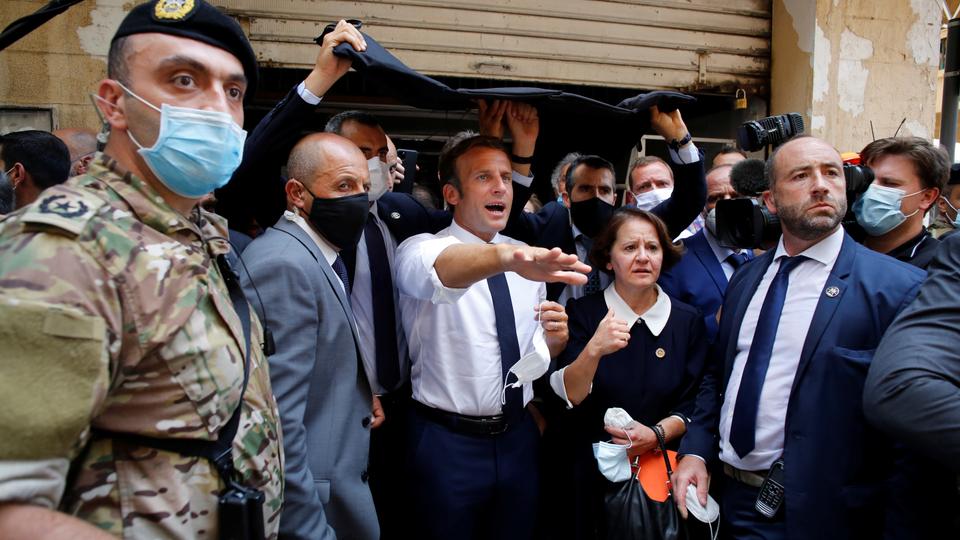
By Leila Nicolas Source: Al Mayadeen English -- A large number of Christians in Lebanon view the French role in Lebanon negatively and accuse Macron of backing Prime Minister Najib Mikati and "Political Shiism". Some Christians in Lebanon (Maronites) have always viewed the alliance with France, in particular, and the West, in general, as the guarantor of their existence and influence. However, looking into the historical trend of French policies in Lebanon after the expansion of American influence in the Middle East indicates that Paris does not have a fixed principled vision of its approach toward the country, as it rather seeks to achieve its political, economic, and cultural interests by supporting the stronger party in the existing political equation (regardless of its sect). But while the European country pursues its interests, it takes into account the scope of action according to which the United States allows it to act - which falls under the notion of concerted roles between the two powers, where France takes on the part America itself cannot play. Thus, the timeline of the French policy in Lebanon can be divided into three phases, each of which has its unique characteristics and circumstances.
Phase one: "The political Maronite" and "the compassionate mother"
In 1535, the Ottomans granted France concessions in the Levant, including the right to protect Catholics in Lebanon, which expanded after Louis XIV pledged in 1649 to protect the Catholic Church and all its sects (Maronites). After the French intervened to protect the Christians in Mount Lebanon in the aftermath of the 1860 massacres, the Lebanese Maronite Christians viewed France as a "compassionate mother". The French support for the Maronites continued during the [French] Mandate period, and France's contribution was clear in perpetuating the rule of the so-called "Political Maronism" or "Maronite Politics".
By Wallace Truesdale II, Editor at LinkedIn News — Many of America’s bosses want everyone back in the office, but not for …
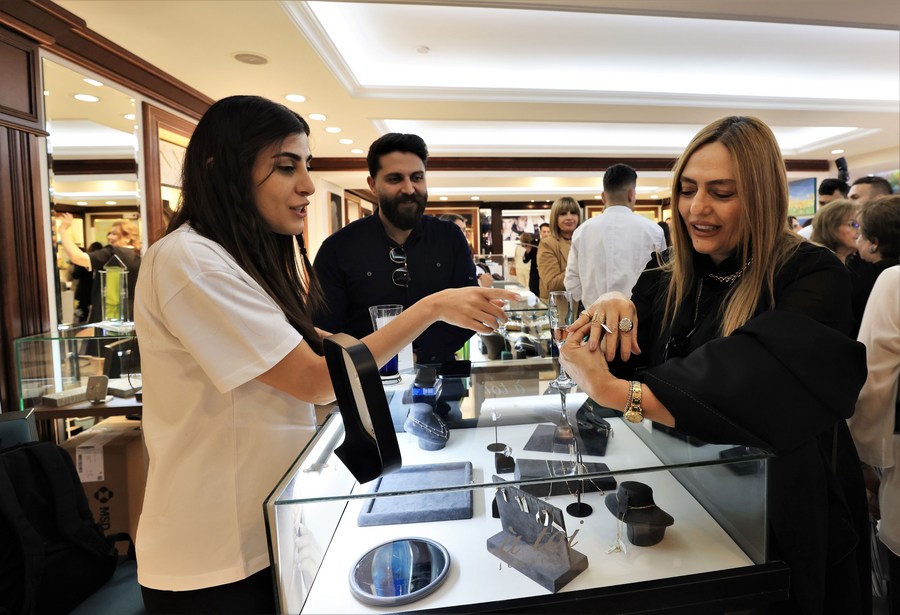
BEIRUT, (Xinhua) -- Lebanon's economic and financial crisis have gravely impacted the fashion, jewelry and art industry in the country, said exhibitors at Luxuria, a Beirut luxury fair. "We saw a drop of 50 percent, if not more, on our products in the local market since the beginning of the crisis in 2019," said Eman Tawil, owner of Diamantia, a fine jewelry store. To bridge the sales gap, Tawil had to extend her business to other regional countries like Egypt, and more established markets like Canada and Gulf countries through her online website.
The fair runs from Friday to Monday at Phoenicia, a five-star hotel in Beirut, showcasing the finest collections of jewelry, art, and fashion with the participation of over 40 exhibitors. "We chose to kick off our fair during Eid al-Fitr, when Lebanon attracts high numbers of foreign visitors, which may help the recovery of the luxury market," Houssam Mokahal, manager at M&O, the organizer of Luxuria, told Xinhua. "This exhibition is a great occasion for our business to attract clients amid the current crisis," said Lucie Dekermendjian Helou, owner of Lucie By Luka Jewelry. "We are seeing only some demand on low-budget items nowadays," she said, adding that only a handful of foreign customers could purchase items priced at over 2,000 U.S. dollars. Helou said she opened a workshop six months ago despite the crisis, in the belief that the market would recover as many Lebanese affected by the financial crisis tend to hold hard currencies or invest in jewelry rather than leaving cash in their current accounts.
By Jessy Bains, Editor at LinkedIn News — Apple is planning to introduce its own journaling app in the next update to …




Population Movements to Keserwan - The Khazens and The Maans
ما جاء عن الثورة في المقاطعة الكسروانية
ثورة أهالي كسروان على المشايخ الخوازنة وأسبابها
Origins of the "Prince of Maronite" Title
Growing diversity: the Khazin sheiks and the clergy in the first decades of the 18th century
Historical Members:
Barbar Beik El Khazen [English]
Patriach Toubia Kaiss El Khazen(Biography & Life Part1 Part2) (Arabic)
Patriach Youssef Dargham El Khazen (Cont'd)
Cheikh Bishara Jafal El Khazen
Patriarch Youssef Raji El Khazen
The Martyrs Cheikh Philippe & Cheikh Farid El Khazen
Cheikh Nawfal El Khazen (Consul De France)
Cheikh Hossun El Khazen (Consul De France)
Cheikh Abou-Nawfal El Khazen (Consul De France)
Cheikh Francis Abee Nader & his son Yousef
Cheikh Abou-Kanso El Khazen (Consul De France)
Cheikh Abou Nader El Khazen
Cheikh Chafic El Khazen
Cheikh Keserwan El Khazen
Cheikh Serhal El Khazen [English]
Cheikh Rafiq El Khazen [English]
Cheikh Hanna El Khazen
Cheikha Arzi El Khazen
Marie El Khazen