by rfi.fr — Drilling off the Lebanese coast has shown some traces of gas but no commercially viable reserves, Energy Minister Raymond …

BEIRUT (Reuters) - Lebanese parliament speaker Nabih Berri has warned that removing the central bank governor would send the currency tumbling and threaten deposits, after the prime minister slammed Riad Salameh for the pound's fall. Prime Minister Hassan Diab on Friday cast Salameh as responsible for a currency crisis that has threatened to further destabilise a country already in dire financial straits. The pound, which has lost more than half its value since October, slid to record lows on a parallel market last week, nearing 4,000 to the dollar before currency dealers on Friday went on strike. The official pegged pound rate of 1,507.5 to the dollar is available only for certain vital imports. In comments carried by Sunday's An-Nahar newspaper, Berri said Lebanon could not afford to remove Salameh just as it was entering negotiations with foreign bondholders after defaulting on debt obligations last month. "Lebanese will wake up to the price of the dollar at 15,000 pounds," he said. "I am not defending Salameh or anyone, I am defending Lebanon. And if the central bank of Lebanon does not remain, then everyone knows that depositors' funds are gone forever."
The politically influential Maronite Catholic Cardinal patriarch said criticism of Salameh would only hurt Lebanon. "We ask: who benefits from the destabilisation of the central bank governorship?" said Patriarch Bechara Boutros Al-Rai. "We know the dire outcome, which is eliminating the confidence of the Lebanese people and (foreign) states in the constitutional foundations of the state." Lebanon is governed according to a sectarian system that parcels out state positions according to religious group. The central bank governor is always a Maronite Christian while the premier is always a Sunni Muslim. Diab's government was formed in January with the support of the powerful Iranian-backed Shi'ite movement Hezbollah, and has struggled to enact the economic reforms demanded by foreign donors.
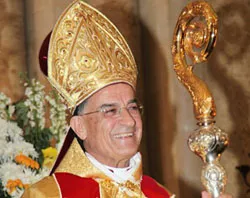
قال البطريرك مار بشاره بطرس الراعي أثناء القاء عظته في الأحد الثاني بعد القيامة بلبنان، اليوم
"سَارَ يَسُوعُ مَعَهُمَا، واستَمَعَ لَهُمَا، ثُمَّ فَسَّرَ لَهُمَا الكُتُب، فَاضْطَرَمَ قَلْبُهُمَا"، تحت صدمة الصَّلب، غادر تلميذان منهم أورشليم بعد ظهر الأحد عينه، على الرَّغم من تسرُّب خبر قيامة يسوع، وفيما هما يسيران مكتئبَين، ويتحادثان بشأن الحكم عليه بالموت صلبًا، وتحطيم رجاء الشَّعب كلّه،إذا بيسوع الحيّ الدَّائم، يقترب منهما ويَسير معهما. ومن بعد أن استمع لهما، وهما يَسرُدان سبب غمِّهما بشأن صلب يسوع، "الرَّجل النبيّ القدير بالقول والفعل قدَّام الله والشَّعب كلّه" (الآية 19)، راح يفسِّر لهما ما يتعلَّق به في كلِّ الكتب من موسى إلى جميع الأنبياء". ومن بعد أن عرفاه عند "كسر الخبز" وغاب عنهما، قال الواحد للآخر: أمَا كان قلبُنا مضطرمًا فينا، حين كان يُكلِّمنا في الطَّريق ويشرح لنا الكتب؟ وللحال رجَعَا إلى أورشليم لينقُلا بُشرى قيامته (الآيات 27-32).

by ibtimes.com -- Assailants lobbed an explosive device at a bank in Lebanon Saturday, in the latest attack on financial institutions in a country facing its worst economic crisis in decades. The official National News Agency said the night-time assault targeted a branch of Fransabank in the southern port city of Sidon, damaging its glass facade. There were no immediate reports of any casualties. The attack came a day after Prime Minister Hassan Diab said Lebanese bank deposits had plunged $5.7 billion in the first two months of the year, despite curbs on withdrawals and a ban on transfers abroad.

by thearabweekly.com -- Samar Kadi -- BEIRUT - Lebanon is bracing for a more painful and restive post-COVID-19 phase marred by social unrest amid deteriorating living conditions, skyrocketing prices and a nosediving devaluation of the Lebanese pound, analysts say. Anti-government protesters have taken to the streets in different parts of Lebanon despite a nationwide lockdown enforced since March 15 to stem the spread of the deadly coronavirus. Protesters blocked highways and gathered in squares and outside the Central Bank in Beirut in defiance of confinement restrictions. In the Bekaa town of Taalabaya, in east Lebanon, the army used force to disperse demonstrators, causing minor injuries to 40 protesters. “There is no doubt that people are full of anger. Recent polls indicated that the percentage of those frustrated with the ruling class is much higher than it was when the anti-government protests first began in October last year,” said political analyst Johnny Mounayar. “More people are getting hungry, losing their income and jobs and the pound continues its downward spiral against the dollar, unabated,” said Mounayar.
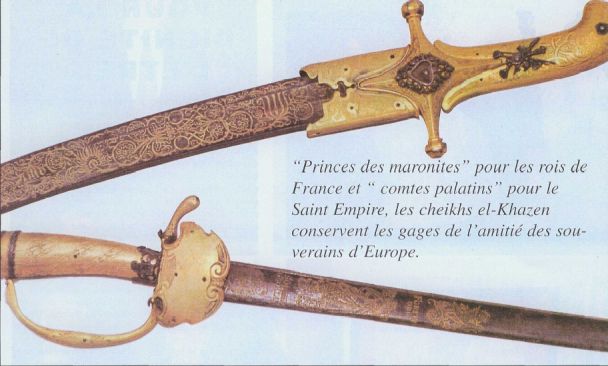
Population Movements to Keserwan - The Khazens and The Maans
ما جاء عن الثورة في المقاطعة الكسروانية
ثورة أهالي كسروان على المشايخ الخوازنة وأسبابها
Origins of the "Prince of Maronite" Title
Growing diversity: the Khazin sheiks and the clergy in the first decades of the 18th century
Historical Members:
Barbar Beik El Khazen [English]
Patriach Toubia Kaiss El Khazen(Biography & Life Part1 Part2) (Arabic)
Patriach Youssef Dargham El Khazen (Cont'd)
Cheikh Bishara Jafal El Khazen
Patriarch Youssef Raji El Khazen
The Martyrs Cheikh Philippe & Cheikh Farid El Khazen
Cheikh Nawfal El Khazen (Consul De France)
Cheikh Hossun El Khazen (Consul De France)
Cheikh Abou-Nawfal El Khazen (Consul De France)
Cheikh Francis Abee Nader & his son Yousef
Cheikh Abou-Kanso El Khazen (Consul De France)
Cheikh Abou Nader El Khazen
Cheikh Chafic El Khazen
Cheikh Keserwan El Khazen
Cheikh Serhal El Khazen [English]
Cheikh Rafiq El Khazen [English]
Cheikh Hanna El Khazen
Cheikha Arzi El Khazen
Marie El Khazen