Photos and videos of Lebanon’s once bustling airport, but now completely empty, surfaced online amid the coronavirus outbreak. Beirut Rafic Hariri …
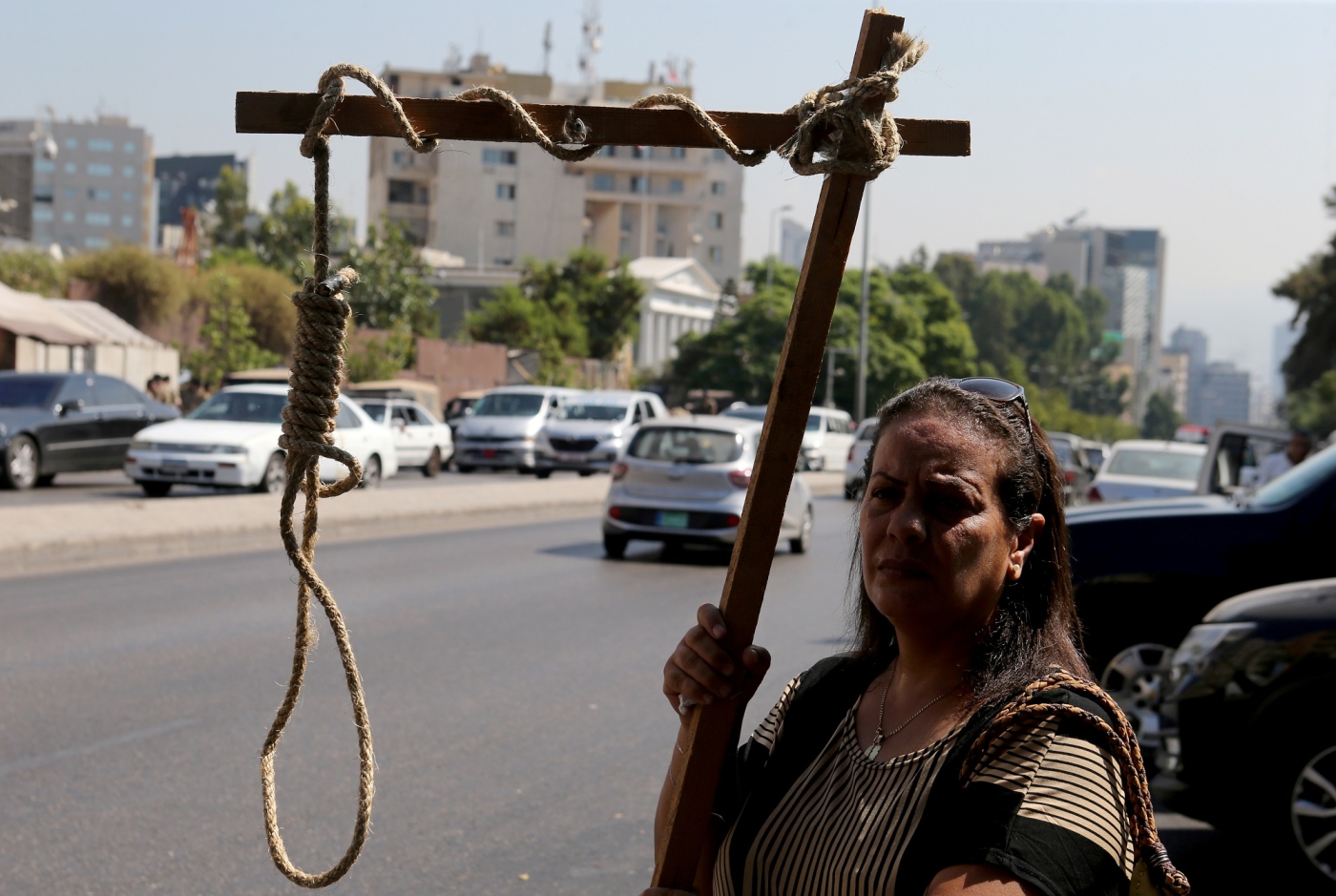
by middleeasteye.net -- Lebanon's foreign minister summoned the US ambassador on Friday to discuss how a US citizen accused of war crimes was transferred out of the country from the American embassy. Lebanese Foreign Minister Nassif Hitti sought an explanation from Ambassador Dorothy Shea on the "circumstances leading Amer Fakhoury out of the American embassy in Awkar, and out of Lebanon," the country's official news agency NNA said. Fakhoury had taken refuge in the embassy on Monday, after a military court dropped charges of killing and torturing detainees at Khiam Prison during the Israeli occupation before 2000. Before Israel's withdrawal from Lebanon in 2000, Fakhoury had served at the Israeli-backed Khiam Prison, where former detainees say he was involved in torture. He was known as the "Butcher of Khiam," but his family denies that he dealt directly with prisoners.
The notorious detention facility was run by the South Lebanon Army, a pro-Israel militia, in coordination with the Israeli military. Fakhoury fled Lebanon in 2000 and eventually settled in New Hampshire, where he became an American citizen. He was arrested in Lebanon last September after returning to visit the country. US legislators had been ramping up pressure for Fakhoury's release. Last month, senators introduced a bipartisan bill to impose sanctions on officials involved in his imprisonment. Amid the mounting pressure, Fakhoury, who suffers from cancer, was cleared of all charges because his supposed crimes occurred decades ago - beyond Lebanon's 10-year statute of limitations on torture. US President Donald Trump thanked the Lebanese government for securing his release, but many officials in Beirut insisted that there was no deal with Washington. Still, advocates of former prisoners remained hopeful, as a judge imposed a travel ban on Fakhoury.
![Lebanon's central bank is seen closed, after the government declared a medical state of emergency as part of the preventive measures against the spread of coronavirus disease (COVID-19) [Mohamed Azakir/Reuters]](https://www.aljazeera.com/mritems/imagecache/mbdxxlarge/mritems/Images/2020/3/20/08b10eef881948eb89a07e275d6e48ea_18.jpg)
by reuters -- Since Lebanon was placed on lockdown to curb the spread of coronavirus, cash-strapped banks have cut access to dollars for depositors already separated from much of their savings by months of tightening controls. The health ministry has recorded 163 infections from coronavirus so far, and experts warn Lebanon's healthcare system may be ill-prepared, as dollar shortages have for months drained it of critical supplies. The outbreak has compounded Lebanon's woes, coming after it declared that it could not pay its hefty debt obligations and needs foreign currency reserves for key imports.Lebanese Prime Minister Hassan Diab earlier this month said that the country will seek to restructure its massive debt as currency reserves dwindle amid an acute financial crisis. Lebanon's economic troubles have weakened the local currency, resulting in shuttered businesses, job losses and informal capital controls from banks severely restricting foreign exchange withdrawals and transfers abroad. Lebanon's cabinet exempted banks from closing when declaring the lockdown, saying they could maintain daily operations "at a minimum level", without specifying the ground rules.

DUBAI, United Arab Emirates (AP) — Seven Middle Eastern countries have suspended all commercial flights due to a fast-spreading new virus as the aviation industry's largest trade association announced Thursday that airlines in the region have already lost more than $7 billion in revenue. The International Air Transport Association, which represents around 290 airlines worldwide, said the travel restrictions that countries have imposed to slow down the spread of the virus "have more far-reaching implications than anything we have seen before." In the Middle East alone, 16,000 passenger flights have been cancelled since the end of January. The financial losses translate into hundreds of thousands of jobs at risk, IATA said. The Middle East has some 20,000 cases of the virus, with most cases in Iran or linked to travel from Iran. The virus killed another 149 people in the past 24 hours in Iran, pushing the death toll there to 1,284 amid over 18,000 confirmed cases.
Already, major carriers like Emirates have urged pilots and cabin crew to take unpaid leave. Reports have emerged that Qatar Airways laid off several hundred employees. The airline did not immediately respond to a request for comment. Job losses in the Middle East have especially far-reaching consequences to the millions of foreign workers who send remittances back home to families in India, Pakistan, the Philippines and eastern European countries. Gulf states like Qatar and the United Arab Emirates rely heavily on foreigners to work as airport support staff, pilots, cleaners and cabin crew. "A lot of jobs are at risk, economies of the nations are being impacted and airline business in the Middle East is taking a bit hit," Muhammad Albakri, IATA's regional vice president for Africa and the Middle East, said in a phone conference with reporters. "We are suffering, we are struggling. We are bleeding," he said in his most urgent appeal yet to governments to step in and urgently help many of these state-owned airlines by cutting taxes and offering direct financial assistance. Late on Wednesday, the last commercial flights arrived in Egypt and Lebanon before a lockdown took place at midnight. They were the latest two countries in the Middle East to shut down airports and suspend all passenger flights. Saudi Arabia, Iraq, Jordan, Tunisia and Morocco had already imposed bans on flights.
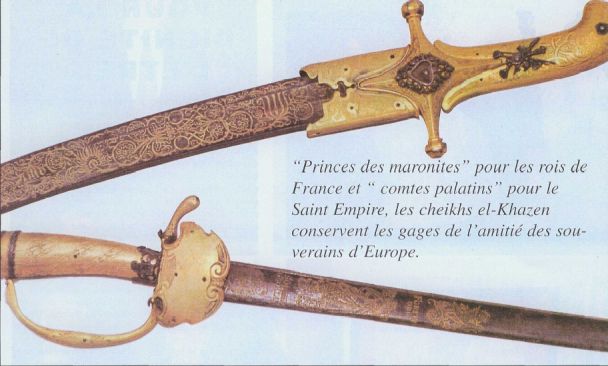
Population Movements to Keserwan - The Khazens and The Maans
ما جاء عن الثورة في المقاطعة الكسروانية
ثورة أهالي كسروان على المشايخ الخوازنة وأسبابها
Origins of the "Prince of Maronite" Title
Growing diversity: the Khazin sheiks and the clergy in the first decades of the 18th century
Historical Members:
Barbar Beik El Khazen [English]
Patriach Toubia Kaiss El Khazen(Biography & Life Part1 Part2) (Arabic)
Patriach Youssef Dargham El Khazen (Cont'd)
Cheikh Bishara Jafal El Khazen
Patriarch Youssef Raji El Khazen
The Martyrs Cheikh Philippe & Cheikh Farid El Khazen
Cheikh Nawfal El Khazen (Consul De France)
Cheikh Hossun El Khazen (Consul De France)
Cheikh Abou-Nawfal El Khazen (Consul De France)
Cheikh Francis Abee Nader & his son Yousef
Cheikh Abou-Kanso El Khazen (Consul De France)
Cheikh Abou Nader El Khazen
Cheikh Chafic El Khazen
Cheikh Keserwan El Khazen
Cheikh Serhal El Khazen [English]
Cheikh Rafiq El Khazen [English]
Cheikh Hanna El Khazen
Cheikha Arzi El Khazen
Marie El Khazen