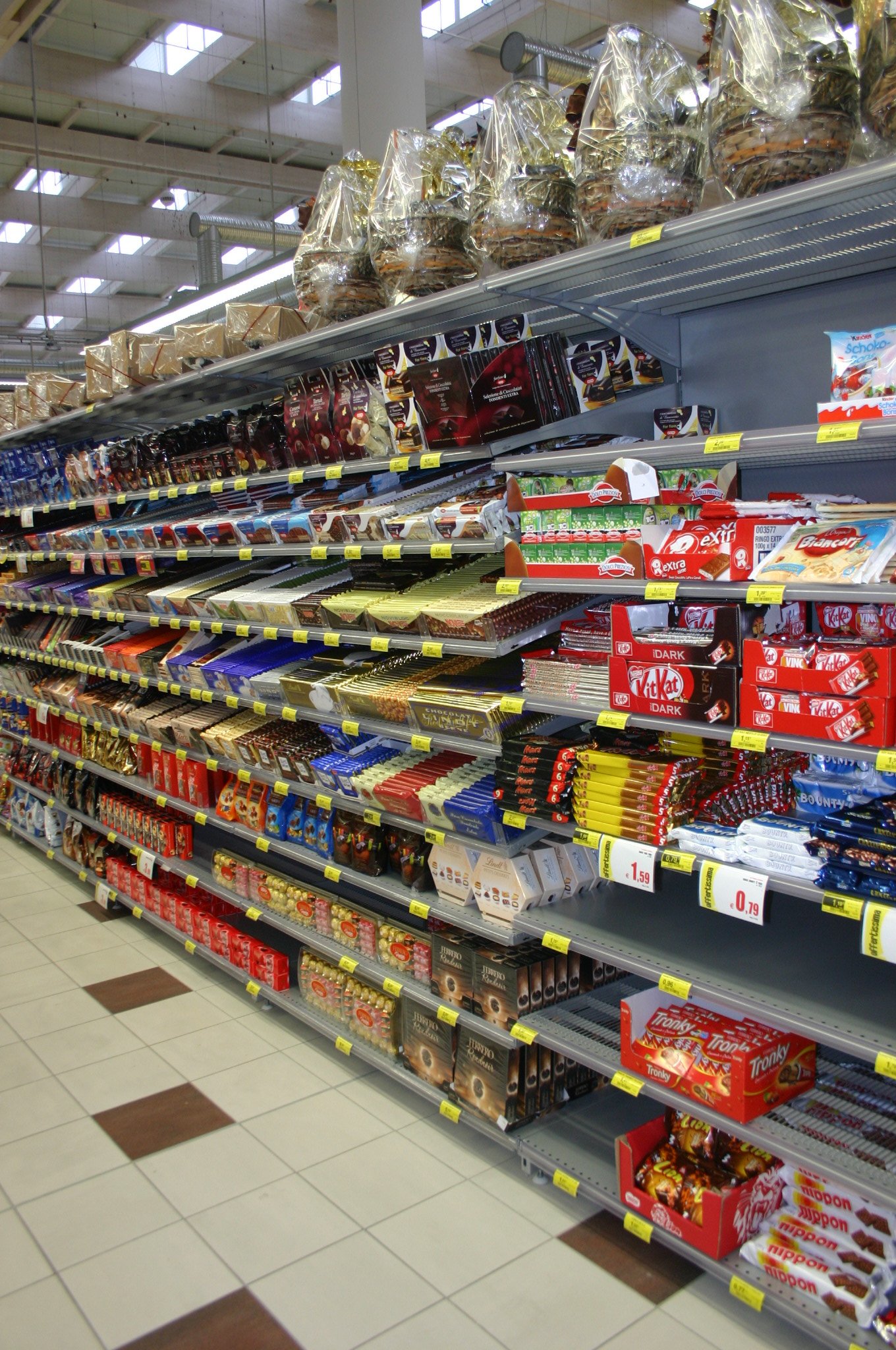
By REBECCA COLLARD -- Goods flew off the shelves at a supermarket Wednesday in Beirut as Lebanon announced new travel restrictions in response to the novel coronavirus. By Thursday, supermarket shelves were restocked, but the country faces a unique problem in the midst of the pandemic. Almost everything Lebanon consumes is imported — and COVID-19 has struck as Lebanon slides deeper into a dire financial crisis brought on by government corruption and mismanagement. Since October, protesters have been in the streets demanding a new government and an end to the country’s sectarian political system. The Lebanese lira has lost around 40% of its value against the US dollar in recent months. That means everything is going up in price, especially imported goods — which comprises most food, medicine and medical supplies.
At a supermarket in Beirut, Dr. Abraham Hadid, an orthopedic surgeon, pushed a shopping cart filled with canned tuna, corn, soda water and instant coffee. “I’m buying everything I need for a long time,” he said, wearing a face mask and plastic gloves. “I don’t want to come back here because of corona.” Hadid says Lebanon has good doctors and a relatively strong health system, but that system is strained by the economic crisis. That will hurt the country's ability to respond to the outbreak of COVID-19. As of Friday there were 77 confirmed cases and three deaths in Lebanon, and the numbers are rising. “All the equipment we need, needles … serum, the prices of everything are increasing,” Hadid said. “We have two crises so close.”
by newsmax.com -- President Donald Trump on Friday declared the coronavirus pandemic a national emergency in order to free up more money and resources. But he denied any responsibility for delays in making testing available for the new virus, whose spread has roiled markets and disrupted the lives of everyday Americans. Speaking from the Rose Garden, Trump said, “I am officially declaring a national emergency," unleashing as much as $50 billion for state and local governments to respond to the outbreak. Trump also announced a range of executive actions, including a new public-private partnership to expand coronavirus testing capabilities with drive-through locations, as his administration has come under fire for being too slow in making the test available. Trump said, “I don't take responsibility at all" for the slow rollout of testing.
Late Friday, House Speaker Nancy Pelosi announced a deal with the Trump administration for an aid package from Congress that would provide free tests, sick pay for workers and bolster food programs. “We are proud to have reached an agreement with the Administration to resolve outstanding challenges, and now will soon pass the Families First Coronavirus Response Act,” Pelosi announced in a letter to colleagues. The House was poised to vote. However, as of 8:30 p.m. ET the vote had not yet occurred. According to a Reuters news alert, House Majority Leader Steny Hoyer said there were unresolved issues between the administration and lawmakers on the response bill, though Pelosi had thought there was a deal at hand. A few minutes later, though, another alert from Reuters said Trump had indicated he was fully supportive of H.R. 6201, the Families First Coronavirus Response Act, "which will be voted on in the House this evening." No further details were available at the time of publication.
by Naharnet –– Central bank governor Riad Salameh instructed Lebanese banks on Friday to prioritize transfers for the purchase of medical supplies …
by middle-east-online.com — TUNIS – Lebanon has defaulted on its international debts for the first time. Through civil war and social and …




Population Movements to Keserwan - The Khazens and The Maans
ما جاء عن الثورة في المقاطعة الكسروانية
ثورة أهالي كسروان على المشايخ الخوازنة وأسبابها
Origins of the "Prince of Maronite" Title
Growing diversity: the Khazin sheiks and the clergy in the first decades of the 18th century
Historical Members:
Barbar Beik El Khazen [English]
Patriach Toubia Kaiss El Khazen(Biography & Life Part1 Part2) (Arabic)
Patriach Youssef Dargham El Khazen (Cont'd)
Cheikh Bishara Jafal El Khazen
Patriarch Youssef Raji El Khazen
The Martyrs Cheikh Philippe & Cheikh Farid El Khazen
Cheikh Nawfal El Khazen (Consul De France)
Cheikh Hossun El Khazen (Consul De France)
Cheikh Abou-Nawfal El Khazen (Consul De France)
Cheikh Francis Abee Nader & his son Yousef
Cheikh Abou-Kanso El Khazen (Consul De France)
Cheikh Abou Nader El Khazen
Cheikh Chafic El Khazen
Cheikh Keserwan El Khazen
Cheikh Serhal El Khazen [English]
Cheikh Rafiq El Khazen [English]
Cheikh Hanna El Khazen
Cheikha Arzi El Khazen
Marie El Khazen