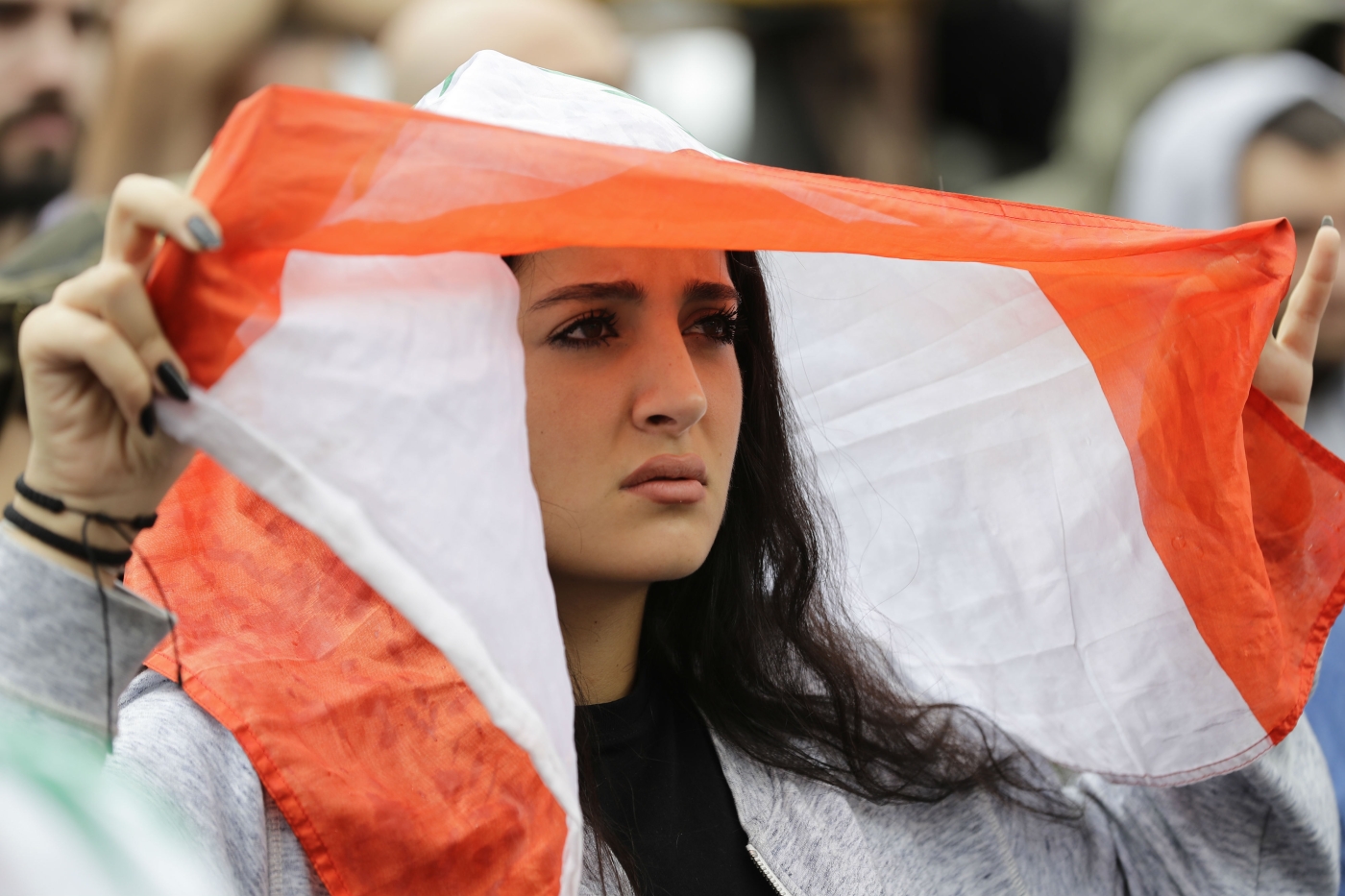
by reuters.com -- Issam Abdallah, Alaa Kanaan - Sick of Lebanon’s political instability, Habib Rahhal had been mulling leaving since 2018 to seek a better future. But the final straw came in November when he was unable to get money out of the bank because of a national financial crisis. He stepped up his job search abroad and found one in Germany. The digital product designer left Beirut for Berlin this month, intending to build a new life and joining a growing wave of Lebanese driven abroad by the crisis. “Typically, if someone is leaving, you would be upset and try to persuade them not to. In Lebanon, it is the opposite... The first thing they say is ‘Congratulations!’,” Rahhal, 27, said as he packed his bag. “This is what makes Lebanese happy these days - leaving the country.”
Lebanon’s economic crisis is widely seen as the most acute since independence from France and worse than any it endured during the 1975-90 civil war. Long in the making, the crisis came to a head last year as flows of capital into the country slowed down and protests erupted against a ruling elite that has overseen decades of state corruption and bad governance. Banks have imposed tight limits on access to cash and transfers abroad, the Lebanese pound has slumped and firms have shed jobs and slashed wages. The economy shrank by 7% last year, according an estimate by the former economy minister. With no end in sight to the crisis, many people are considering where they might be able to go. Many Lebanese, including some of the most highly skilled, already have second passports, making it easier for them to leave.
by middleeasteye.net — An activist who became an icon after kicking a bodyguard of a Lebanese minister in the groin, has been …
by Naharnet — Lebanese-Saudi billionaire Bahaa Hariri, the eldest son of slain ex-PM Rafik Hariri, issued a rare statement Tuesday in which …
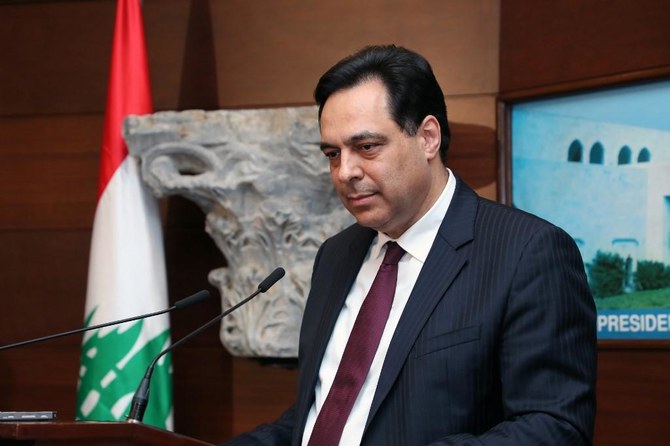
by arabnews.com - NAJIA HOUSSARI - BEIRUT: Meetings between Lebanese officials and a delegation from the International Monetary Fund began on Tuesday in an attempt to find a solution to the nation’s financial crisis. Lebanon asked the IMF six days ago for help to develop an economic rescue plan in light of a $1.2billion Eurobond debt that is due for repayment on March 9. It is the first of three looming debts due between now and June, worth $2.5bn in total, plus an additional $2bn in interest on a $30 billion debt portfolio.
The participants in the meetings will include Lebanese Prime Minister Hassan Diab, central bank Governor Riad Salameh and representatives of the Banking Control Commission of Lebanon. “Lebanon’s economic and financial crisis is being addressed to mitigate its repercussions,” President Michel Aoun told the UK’s Senior Defense Adviser for Middle Eastern Affairs, Lt. Gen. Sir John Lorimer. “The IMF will provide its technical expertise in setting up a plan. “The unstable situation in several Middle Eastern countries in general, and in Syria in particular, has negatively affected Lebanon.” Amal Movement MP Yassin Jaber said: “Lebanon will wait for what the IMF delegation has to say. It will advise Lebanon and will not impose anything. It will then be up to the 20-minister cabinet to decide whether or not to take the advice.” The economic uncertainty has caused chaos in the money markets, and anger at what many see as profiteering by the banks and money changers. They have hiked the exchange rate against the dollar to 2,500 Lebanese pounds, even though the official exchange rate remains at 1,507, and in defiance of an agreement to limit the rate to 2,000 pounds. “The banks’ practices are a form of systematic fraud. They are confiscating the depositors’ money after having (imposed) high interest rates and reaped huge profits,” said MP Mohammad Kabbara.

Population Movements to Keserwan - The Khazens and The Maans
ما جاء عن الثورة في المقاطعة الكسروانية
ثورة أهالي كسروان على المشايخ الخوازنة وأسبابها
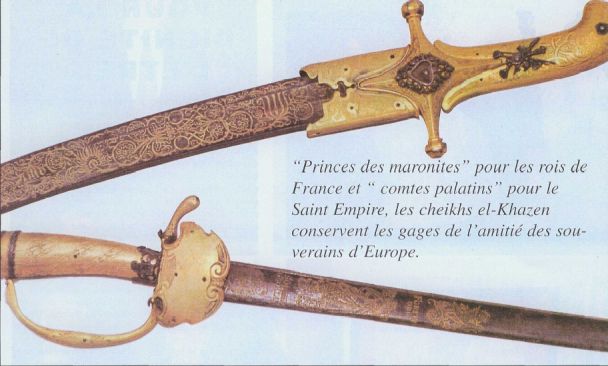
Origins of the "Prince of Maronite" Title
Growing diversity: the Khazin sheiks and the clergy in the first decades of the 18th century
Historical Members:
Barbar Beik El Khazen [English]
Patriach Toubia Kaiss El Khazen(Biography & Life Part1 Part2) (Arabic)
Patriach Youssef Dargham El Khazen (Cont'd)
Cheikh Bishara Jafal El Khazen
Patriarch Youssef Raji El Khazen
The Martyrs Cheikh Philippe & Cheikh Farid El Khazen
Cheikh Nawfal El Khazen (Consul De France)
Cheikh Hossun El Khazen (Consul De France)
Cheikh Abou-Nawfal El Khazen (Consul De France)
Cheikh Francis Abee Nader & his son Yousef
Cheikh Abou-Kanso El Khazen (Consul De France)
Cheikh Abou Nader El Khazen
Cheikh Chafic El Khazen
Cheikh Keserwan El Khazen
Cheikh Serhal El Khazen [English]
Cheikh Rafiq El Khazen [English]
Cheikh Hanna El Khazen
Cheikha Arzi El Khazen
Marie El Khazen