Sara Al Shurafa, Gulfnews — Dubai: News has been circulating online that U.S. President Donald Trump’s daughter, Tiffany, is getting married this …
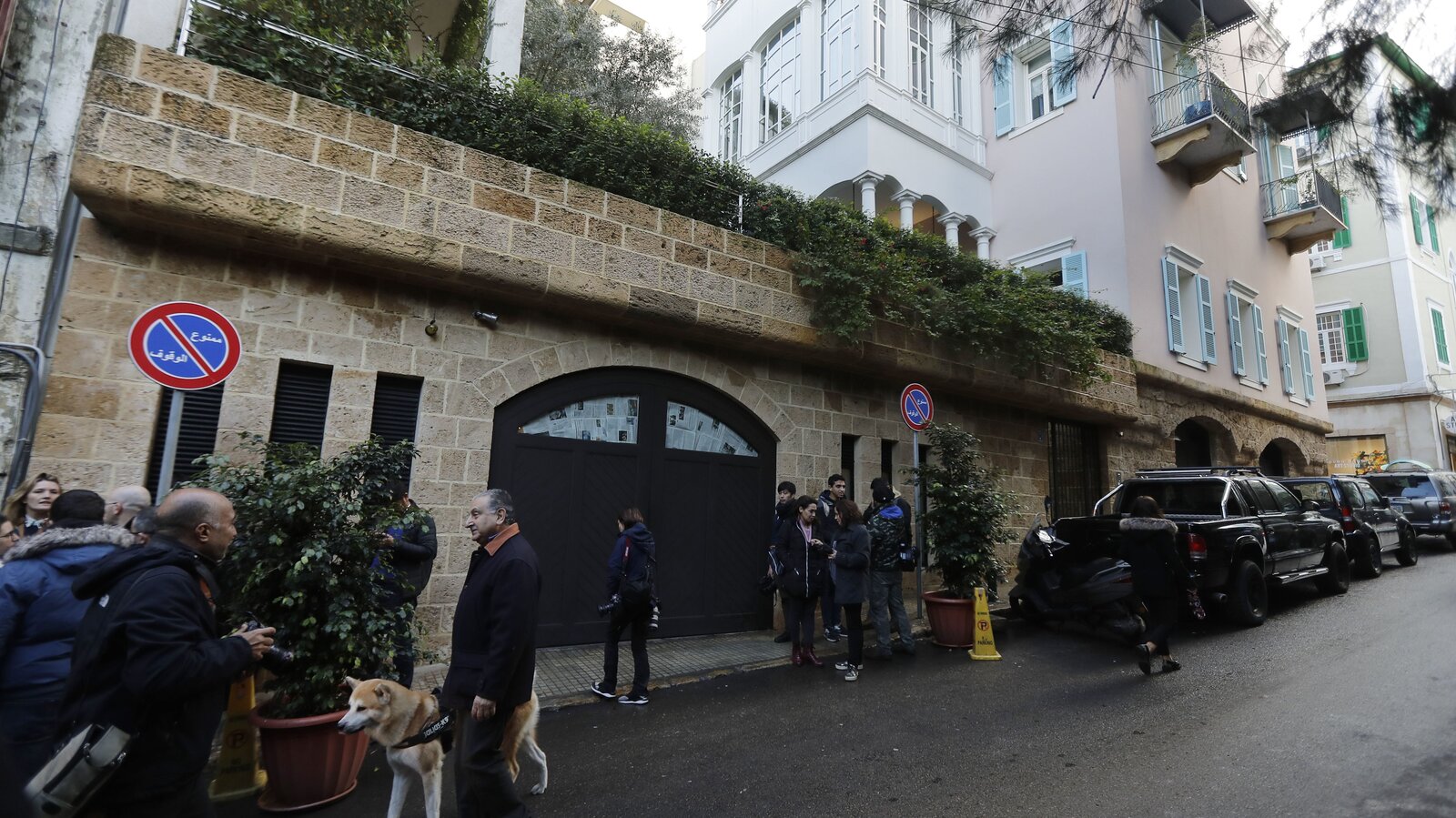
By Alexander Smith and Aziz Akyavas - nbcnews-- ISTANBUL — Seven aviation workers, including four pilots, have been detained for questioning in Turkey in connection to former Nissan chairman Carlos Ghosn's escape from Japan, where he was awaiting trial, Turkish officials said Thursday. Ghosn, 65, was ousted from Nissan last year and accused of a series of financial misdeeds, including the alleged concealment of tens of millions of dollars in income. He was expected to stand trial in April but managed to flee Japan despite being under tight surveillance, showing up in Lebanon this week. The news came as Lebanese officials said they had received a "Red Notice" through the international policing organization Interpol, calling on them to arrest him. The former auto chief was born in Brazil but holds a Lebanese passport and has family ancestry, as well as a home, in Beirut. It's unclear how he managed to slip the net in Japan, but media reports said he traveled to Lebanon via Turkey. On Thursday, the Istanbul governor's office said in a statement that it had arrested the seven people for questioning. These included four pilots of a "private airlines company," the company manager and two ground staff, according to the statement, which only identified the people by their initials.
Also Thursday, Lebanese Justice Minister Albert Serhan told The Associated Press that his country had received the Interpol notice for Ghosn and that the country "will carry out its duties." Previously, Lebanese officials had said that he entered the country legally. Red Notices are issued by one country to another via Interpol, which only passes them along and has no power to enforce the request. "A Red Notice is not an international arrest warrant," Interpol points out on its website. 400 protesters in Hong Kong arrested after thousands join New Year's Day rally Reports, rumors and speculation have swirled as to how Ghosn made his escape. An unverified report by the Lebanese television channel MTV claimed that he had been spirited away in a large musical instrument case, possibly for a double bass, after a band played at his home in Tokyo.
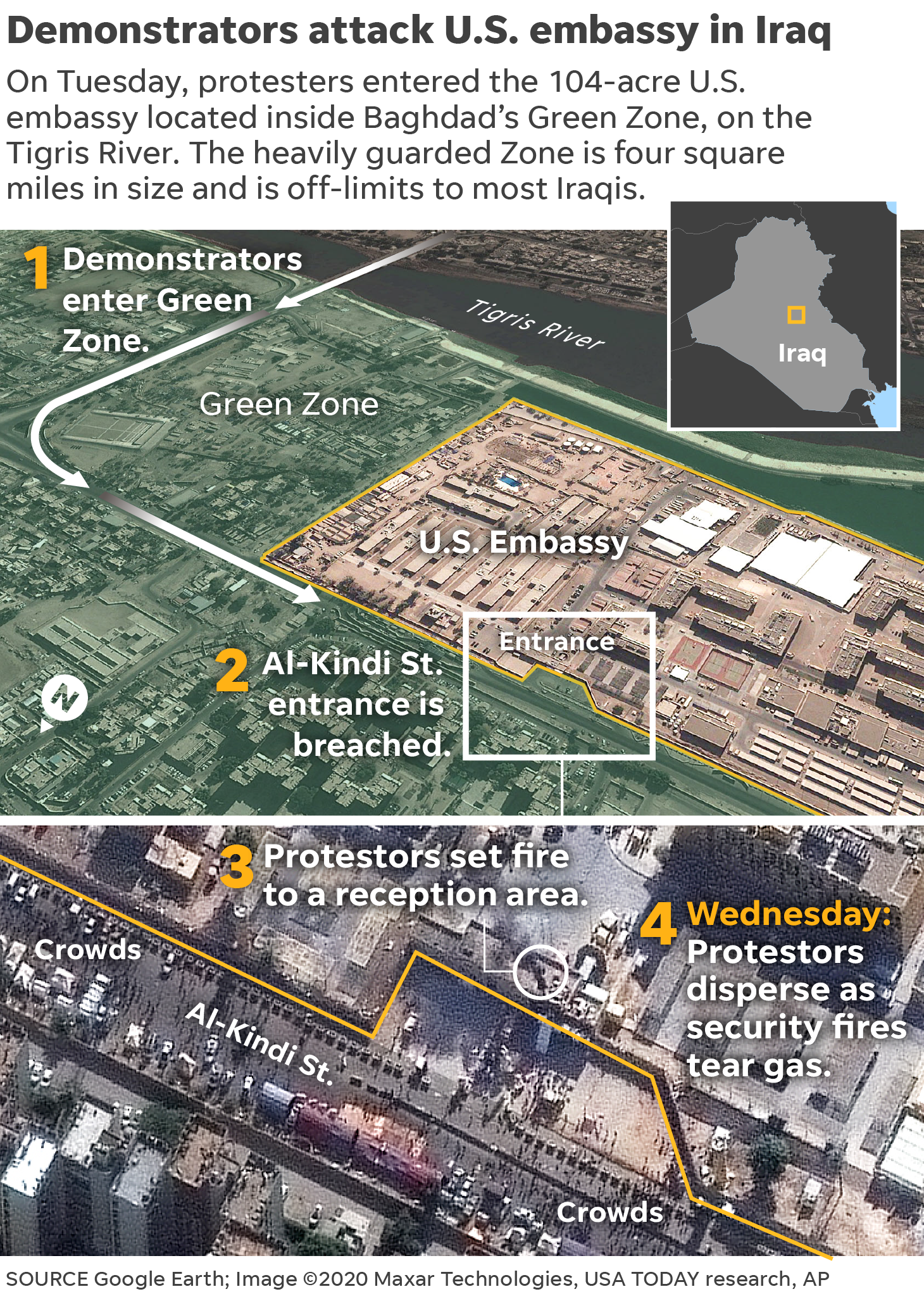
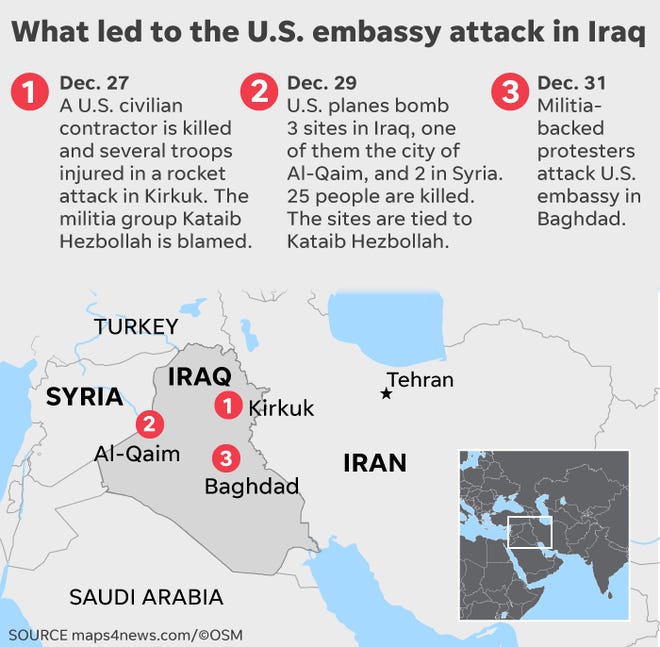
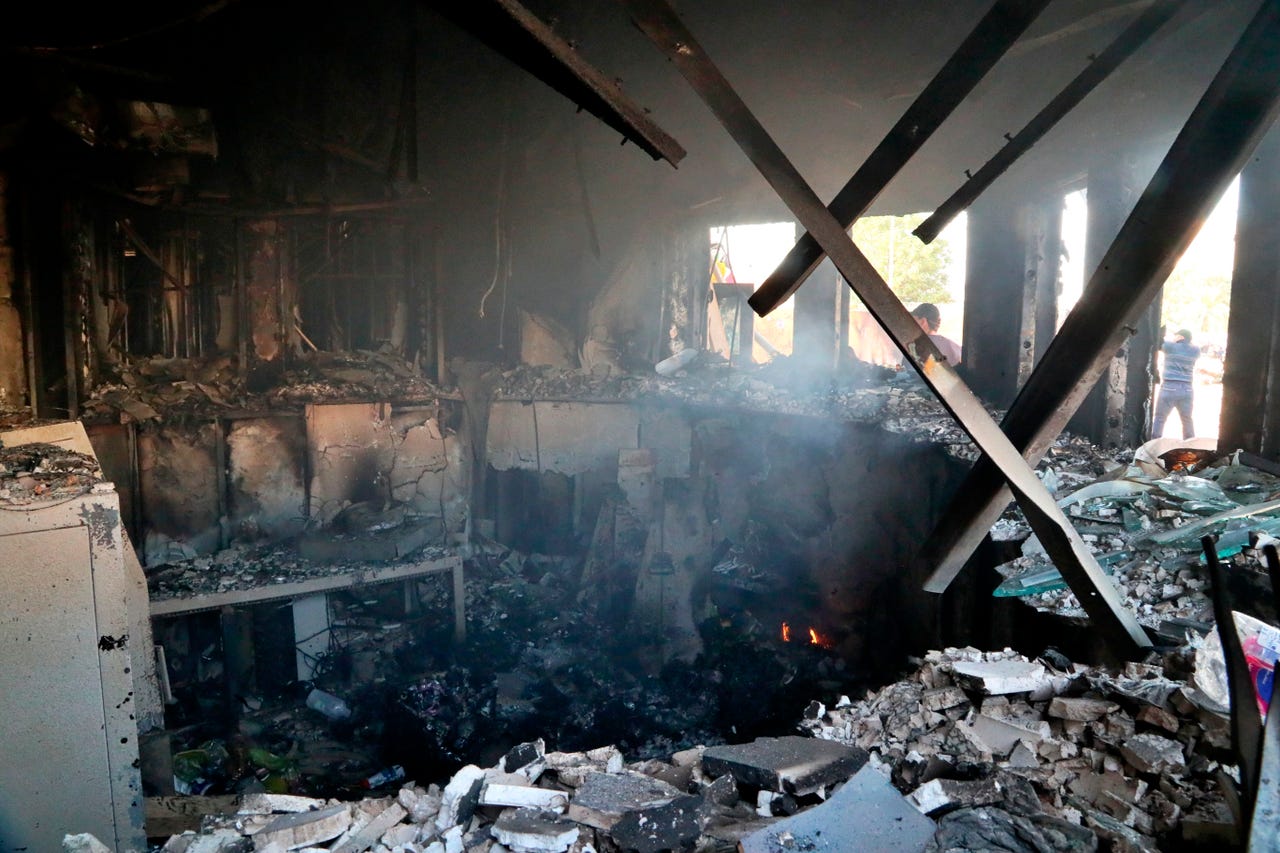
By John Bacon -- USA TODAY -- An uneasy calm enveloped the U.S. Embassy in Iraq on Thursday as new images from the scene revealed extensive damage following days of sometimes violent protests by Iranian-backed militia members and their supporters. The photos show a burned and charred reception area, smashed windows and vandalized rooms left behind by supporters and members of the Iranian-trained Hashed al-Shaabi military network, also known as the Popular Mobilization Forces. No deaths or serious injuries have been reported, and the embassy was not evacuated.
The Pentagon sent hundreds of troops to the region, and Secretary of State Mike Pompeo said he would delay a trip to Central Asia and Europe to focus on the "the ongoing situation in Iraq and ensure the safety and security" of Americans there. "We’ll continue cooperation (with Iraq) to hold Iran and its proxies responsible," Pompeo said. The embassy protest erupted Tuesday, two days after U.S. airstrikes killed at least two dozen Iran-backed fighters in Iraq.Demonstrators shouting "Death to America!" smashed their way into the embassy compound and set fire to a reception area as U.S. combat helicopters swooped over the complex. Militia leaders with the Popular Mobilization Forces ultimately ordered supporters to retreat, declaring the demonstration a win in the battle to expel U.S. troops from Iraq. “After achieving the intended aim, we pulled out from this place triumphantly,” said Fadhil al-Gezzi, a militia supporter. “We rubbed America’s nose in the dirt.” Protests are nothing new in Baghdad, but most have targeted the Iraqi government and what Sunni Iraqis view as meddling by Iran's Shiite government.
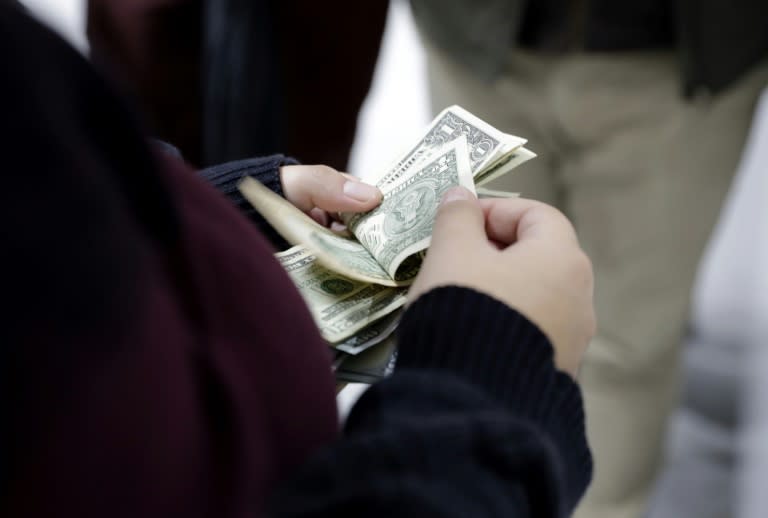
Beirut (AFP) - Inside a Lebanese bank, a woman screams for her salary. A man pounds his fist on the marble counter, demanding the teller release $200. In crisis-hit Lebanon, this is the new normal. "It's a shocking experience," said Khaled Taki, a 68-year-old consultant whose bank last week refused to hand him any dollars from his account. "You have money in the bank, you go there to get it, and they tell you: No." A grinding liquidity crunch has hit Lebanon, where unprecedented protests since October 17 have railed against the political class and a deepening economic crisis. Since September, banks have restricted the amount of dollars that can be withdrawn or transferred abroad. Although no formal policy is in place, most have arbitrarily capped withdrawals at around $1,000 a month, while others have imposed tighter restrictions. With ordinary depositors bearing the brunt of these measures, bank branches have transformed into arenas of conflict. Fistfights, shouting and tears abound, as cash-hungry clients haggle tellers to release money trapped under informal capital controls. Security personnel pace nervously, eying angry customers. Large crowds form near the ATMs outside until the machines suddenly stop dispensing cash. "I have seen a woman begging -- literally begging the bank employee -- and going on the floor and kissing it, asking for her money," said Taki. But "the banks don't care," he said. "They have your money, and they will give it to you when they want to, just like a father giving his son a weekly allowance."
Trapped dollar savings -
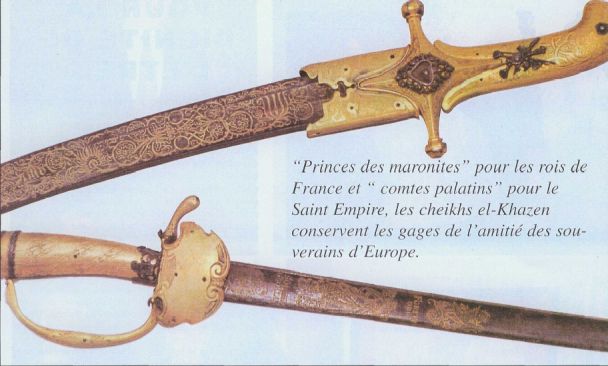
Population Movements to Keserwan - The Khazens and The Maans
ما جاء عن الثورة في المقاطعة الكسروانية
ثورة أهالي كسروان على المشايخ الخوازنة وأسبابها
Origins of the "Prince of Maronite" Title
Growing diversity: the Khazin sheiks and the clergy in the first decades of the 18th century
Historical Members:
Barbar Beik El Khazen [English]
Patriach Toubia Kaiss El Khazen(Biography & Life Part1 Part2) (Arabic)
Patriach Youssef Dargham El Khazen (Cont'd)
Cheikh Bishara Jafal El Khazen
Patriarch Youssef Raji El Khazen
The Martyrs Cheikh Philippe & Cheikh Farid El Khazen
Cheikh Nawfal El Khazen (Consul De France)
Cheikh Hossun El Khazen (Consul De France)
Cheikh Abou-Nawfal El Khazen (Consul De France)
Cheikh Francis Abee Nader & his son Yousef
Cheikh Abou-Kanso El Khazen (Consul De France)
Cheikh Abou Nader El Khazen
Cheikh Chafic El Khazen
Cheikh Keserwan El Khazen
Cheikh Serhal El Khazen [English]
Cheikh Rafiq El Khazen [English]
Cheikh Hanna El Khazen
Cheikha Arzi El Khazen
Marie El Khazen