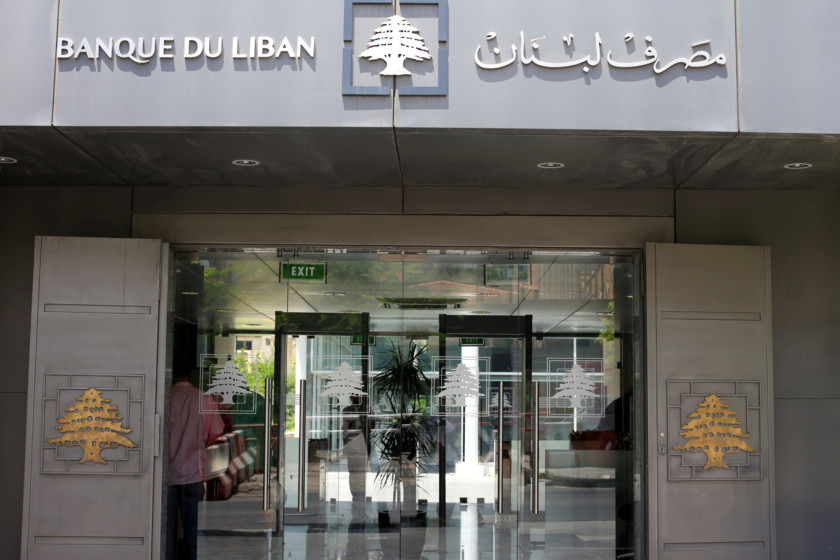
Beirut: Banks in Lebanon could be flouting laws — or at least the spirit of it — by restricting the weekly amount a citizen can debit from his account. And account holders are well within their rights to pursue claims against such banks, legal sources say. “A big part of what banks have been doing are based on unauthorised and unilateral decisions,” said Zeina Mouanness, a lawyer. “They cannot apply such precautionary measures without clear regulations.” Last month, the Lebanese Central Bank set a limit of $1,000 as weekly withdrawals of cash and another limit on online transfers. ATMs have stopped dispensing US dollars even before the popular protests erupted in the country on October 17. Banks have been applying random caps on weekly cash withdrawals, varying between $100 to $500.
Reclaim their rights So, what can the ordinary Lebanese citizen do? They could look at any of three options. “They could launch a bankruptcy lawsuit against the banks for failing to pay them the amounts requested,” said Mouanness. “They could lodge a breach of trust [criminal case] against the bank. “The third type of legal procedure is lodging a lawsuit before a judge on an urgent basis demanding the bank pay their money in cash. As per the first two procedures, a claimant could also request the court to impose a provisional seizure against the bank’s assets to ensure that the claimants’ money remains safe and untouched.” According to Joceline Al-Rai, another Lebanese lawyer, people also need to read the contracts with their banks. “Clients and depositors have the right to take legal action against their banks and reclaim their money ... however, they need to review the clauses included in the contracts they signed upon opening their accounts. Unfortunately, the majority of clients sign those contracts blindly and without reading those clauses thoroughly,” Al-Rai told Gulf News.
BEIRUT(Xinhua) — The French Development Agency (AFD) signed on Thursday a financing agreement valued at 20 million euros (22.2 million U.S. dollars) …
BEIRUT, (Xinhua) — Lebanon’s presidency issued a statement on Wednesday, announcing that President Michel Aoun will conduct parliamentary consultations on Dec. 9 …
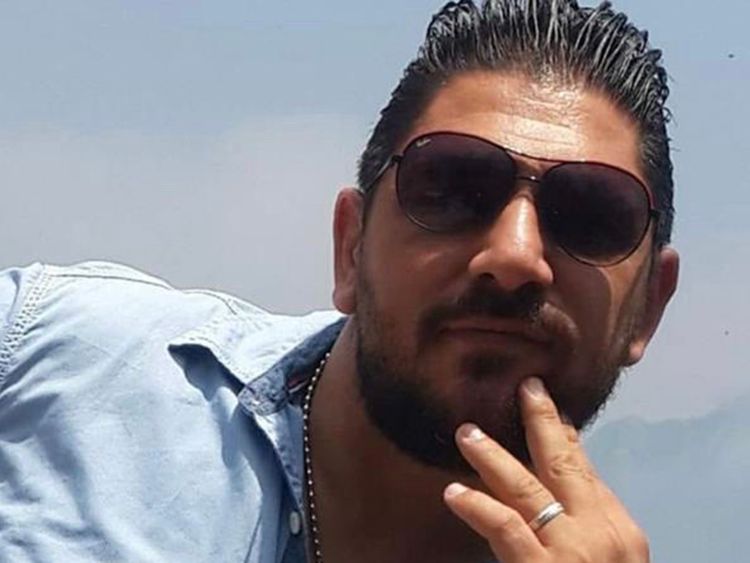
By Dany Abu Haidar -- gulfnews.com -Beirut: A 40-year-old Lebanese man shot himself dead in Beirut after he was reported to have been sacked from work on Wednesday. Around 10.30am, Lebanese citizen, Dany Abu Haidar, shot himself in the head with a hunting gun at the family house in Al Nabaa area after his employer had reportedly terminated him.
Abu Haidar’s suicide is the second of its kind following Sunday’s first incident when heavily indebted villager, Naji Al Fulaiti, hung himself over a 700,000 Lebanese pound debt and after failing to give his daughter 1,000 Lebanese pounds to buy a flatbread in Arsal. “He returned home at 10.30am. His mother was hanging the laundry and wife was doing the rug. He got his hunting gun … when I asked him if he was going hunting, he said yes. In a second, he shot himself in his head,” the father said. Since October 17, Lebanon has been witnessing ongoing street demonstrations in nationwide protests against widespread political corruption and mismanagement that has been worsening the country’s economic and financial crises. A video of Abu Haydar’s mother went viral and in which she could be heard saying: “He left a family behind. Yesterday he was fine. The supermarket called and asked him to pay a pending Lebanese pounds LBP3m [around $2,000] he got angry and told them he cannot pay and to wait until the protests are over.”


Population Movements to Keserwan - The Khazens and The Maans
ما جاء عن الثورة في المقاطعة الكسروانية
ثورة أهالي كسروان على المشايخ الخوازنة وأسبابها
Origins of the "Prince of Maronite" Title
Growing diversity: the Khazin sheiks and the clergy in the first decades of the 18th century
Historical Members:
Barbar Beik El Khazen [English]
Patriach Toubia Kaiss El Khazen(Biography & Life Part1 Part2) (Arabic)
Patriach Youssef Dargham El Khazen (Cont'd)
Cheikh Bishara Jafal El Khazen
Patriarch Youssef Raji El Khazen
The Martyrs Cheikh Philippe & Cheikh Farid El Khazen
Cheikh Nawfal El Khazen (Consul De France)
Cheikh Hossun El Khazen (Consul De France)
Cheikh Abou-Nawfal El Khazen (Consul De France)
Cheikh Francis Abee Nader & his son Yousef
Cheikh Abou-Kanso El Khazen (Consul De France)
Cheikh Abou Nader El Khazen
Cheikh Chafic El Khazen
Cheikh Keserwan El Khazen
Cheikh Serhal El Khazen [English]
Cheikh Rafiq El Khazen [English]
Cheikh Hanna El Khazen
Cheikha Arzi El Khazen
Marie El Khazen