By Reuters — BEIRUT– Clashes broke out between anti-government demonstrators and supporters of the Shi’ite movements Hezbollah and Amal in the Lebanese …
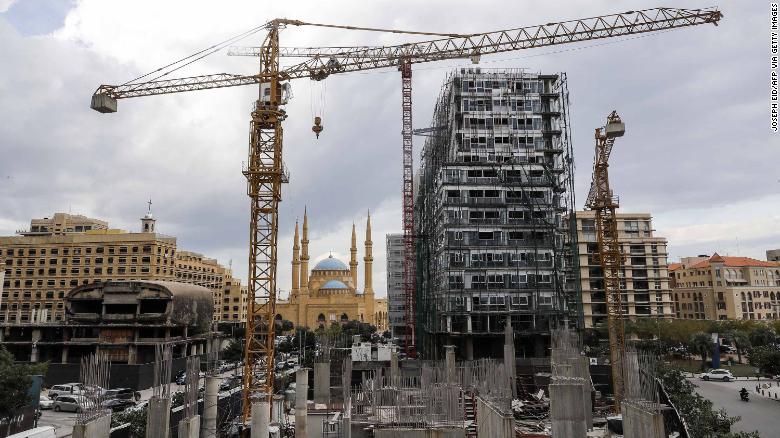
by Dana Halawi BEIRUT -- (Xinhua) -- Lebanese traders are experiencing the worst time ever with around 20 percent of them expected to be out of business by the year end amid the U.S dollar crisis in the market and the nationwide protests that have paralyzed the country for more than a month. "The trade sector is expected to witness the closure of around 20 percent of retail companies and the layoff of around 150,000 to 200,000 employees while others will be paid half of their salaries," Adnan Rammal, representative of the trade sector in the Economic and Social Council, told Xinhua. Rammal said the trade sector has been suffering since before the beginning of protests when banks resorted to higher interest rates to attract depositors, which, in turn, led to increased costs for bank's borrowers. "As a result, a lot of retailers suffered from staying in business because their work depends highly on loans from banks," he explained, adding protests have put an additional burden on the sector.
Protests caused a 60-percent drop in trade activity in Lebanon because people fear to spend their money on items other than food, said Rammal. Meanwhile, banks imposed harsh restrictions on the transfer of U.S. dollars by traders who import from outside Lebanon. "This has impacted business owners who ran out of products and hence saw a drop in their sales activity while employees can't get fully paid under such circumstances," the Lebanese official said. Lebanon has witnessed in the past few months a shortage in U.S. dollar because of the economic slowdown and the drop in cash injections from the Lebanese abroad, thus reducing the central bank's foreign currency reserves. The demand for dollar has created a parallel market in which one dollar is selling at up to 1,900 Lebanese pounds, much higher than the official exchange rate of 1,515 pounds. Merchants interviewed by Xinhua reported a steep decline in their sales with some of them being unable to cover their expenses.
Fouad Rizk, a shoe store owner in Beirut, said he has not been able to sell at all since the start of the protests because his business depends mainly on tourists who have been absent in the past couple of months. Rizk added that he did not import any new items for this new season because he cannot obtain enough U.S. dollars to pay for his imports. Abed, who owned a clothing shop in the capital, said he couldn't sell even one piece of clothing now. "Even if we sell any of our items, we will lose because we pay for our imports in U.S. dollars and clients pay in Lebanese pounds which now only worth almost 30 percent of its previous value," he noted. According to Rammal, around one third of the Lebanese work in the private sector while 250,000 people make their living out of trade business. "This is why there should be a strong cooperation between banks and merchants to avoid the social repercussions of laying off thousands of employees who have responsibilities to fulfil including their children's school fees and loans," he said. In an attempt to solve part of the problems facing traders of basic commodities such as fuel, medicine and wheat, Lebanon's Central Bank issued a circular to secure dollars for Lebanese banks at the official fixed exchange rate to allow the import of these items.

by hbr.org -- Jon M. Jachimowicz --It seems like we’re constantly told to pursue work that we’re passionate about. At least in the United States, this advice follows people from school and into their careers. As billionaire investor Ray Dalio advises in his book Principles, “make your passion and your work the same thing.” Doing so is said to be the path to success. This is perhaps why a recent study found that young people rank achieving their career passion as their highest priority — above making money or getting married. Finding a fulfilling job was deemed nearly three times more important than having a family by the teenage respondents. But, for many people, this simply isn’t feasible. Not every job affords the possibility of pursuing a passion. And most people care deeply about many different things — not all of which will be how they want to earn a living. A growing body of research suggests that pursuing your passion does indeed improve your well-being but that where you do it is far less critical. In fact, several studies show that doing something you are passionate about outside of work rather than in it benefits both your career and your personal life.
Why we should pursue passion outside of work
While pursuing passion at work is known to increase work engagement and job performance, it’s both unrealistic and risky to rely on work as the only means through which to do so. Some jobs don’t allow employees to focus on their interests, and the jobs that do aren’t always financially viable. In some regards, following and finding passion at work could be seen as a luxury for the privileged few — those who can afford to choose exactly the right professions. Tying work to what you are passionate about can also be harmful over the long-term. When you stake your whole self-worth on your job, you become less resilient to adverse events, such as layoffs or negative performance reviews. It can also make it harder to switch off after working hours and get the respite necessary to regain energy for the next day. Plus, it deprives us of the many benefits that come with engaging in outside activities and hobbies — for example, stress reduction, higher energy, and increased levels of creativity, all of which may boost work engagement and retention. One recent study even showed that people accrued greater benefits when their personal passions and their actual work were very different. It’s important to realize that the desire to pursue passion at work is a modern phenomenon — and one relatively unique to the United States. In other countries, particularly European ones, people more commonly find fulfillment outside of work. For example, nearly half of Germans are members of at least one after-work club, which allows them to engage in favorite activities such as sports or gardening in their personal time. In the U.S., by contrast, only few Americans have hobbies or extracurriculars that they actively pursue.



/https://www.thestar.com/content/dam/thestar/news/world/middleeast/2019/11/22/parallel-national-day-rallies-by-lebanon-protesters-leaders/HAS107-1122_2019_060814.jpg)
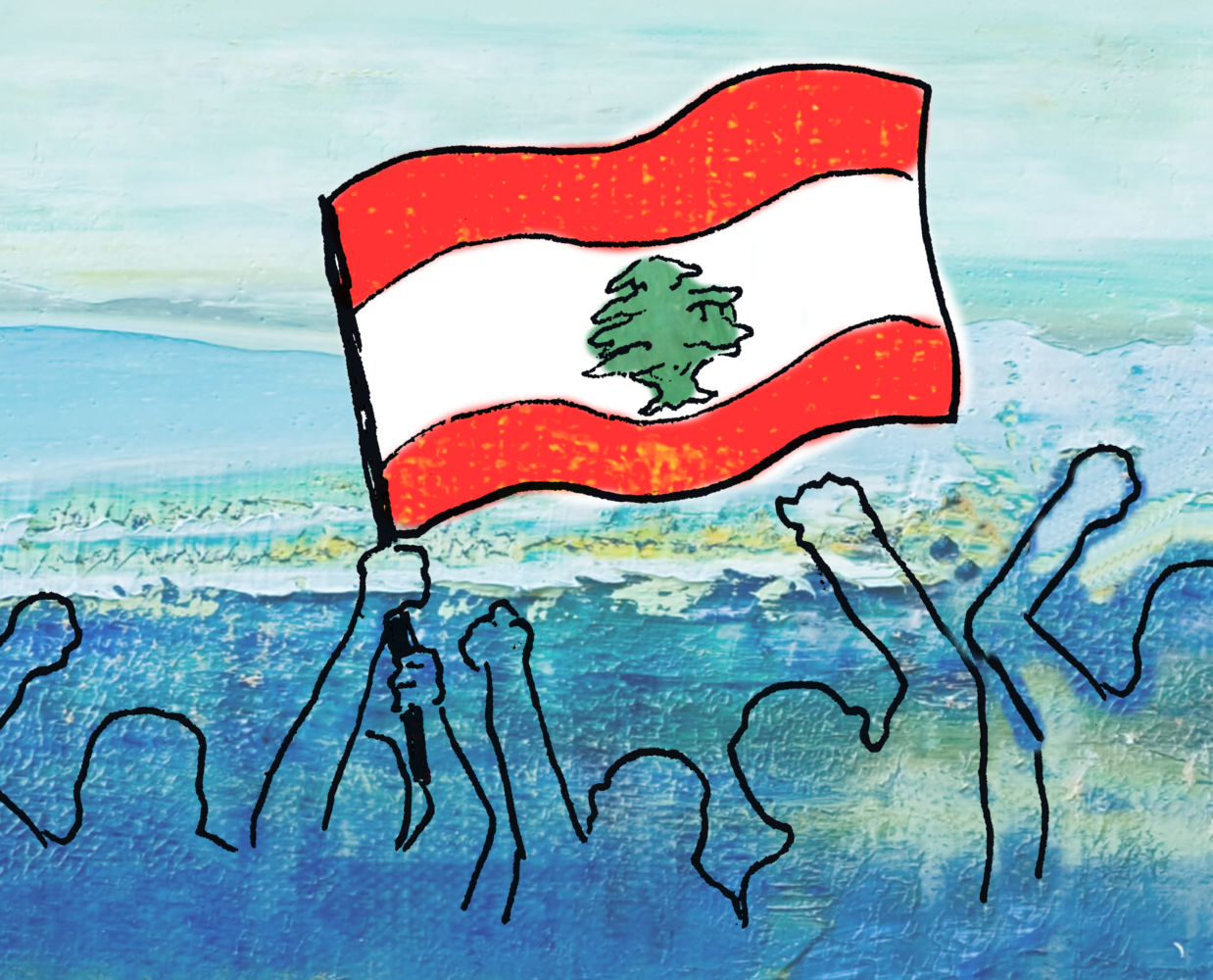
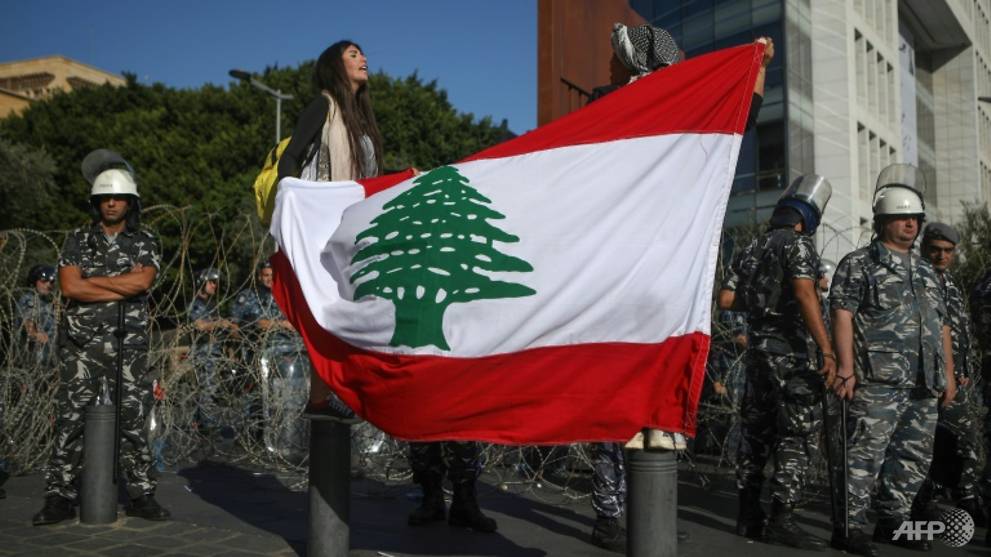
BEIRUT (REUTERS) - TENS of thousands of protesters took to the streets in Lebanon on Friday to mark independence day with a fresh wave of demonstrations against a ruling elite accused of rampant corruption and steering the country into deep crisis. The unprecedented wave of nationwide protests erupted five weeks ago, leading to the resignation of Prime Minister Saad al-Hariri on Oct. 29. Despite a worsening economic crisis, deeply divided politicians have yet to agree on a new government.
Protesters waving Lebanese flags packed central Beirut's Martyrs Square where music blasted into the night. Many protesters said they felt like they were celebrating independence for the first time. "This year independence day is different. Before, they marred it with their system of sharing power and corruption. Today, we are demanding a clean independence and a country where we can live in dignity and pride," said a protester who gave her name as Hind. "It's important to show up today of all days and be united as a country. Everyone is realizing what true independence looks like," said Lydia, 21, who was protesting in Beirut.
A military parade usually held on the seafront near Martyrs Square was relocated to the defense ministry where Hariri, still serving as prime minister in a caretaker capacity since his resignation, attended a low-key ceremony with President Michel Aoun and Parliament Speaker Nabih Berri. Hariri, who is aligned with Western and Gulf Arab states, is at odds with Aoun, Berri and the powerful Shi'ite group Hezbollah over the make-up of the next government. Broadcaster al-Jadeed noted an "unusual" silence between Hariri and Berri while other members of the government chatted to each other. Lebanon is facing its worst economic crisis since the 1975-90 civil war, rooted in years of state corruption and waste. The crisis has spread to the financial system where the pegged Lebanese pound has weakened, dollars have become scarce and banks have imposed controls to prevent capital flight. Aoun, in a televised speech marking independence day on Thursday, said it was "not the time for speeches, words and celebrations". "It is time for work, serious and diligent work because we are in a race against time." (Reporting by Dala Osseiran and Nadine Awadalla; Editing by Tom Perry and Peter Graff) Copyright 2019 Thomson Reuters.
Lebanese hold 1st "civil parade" to celebrate Independence Day



Population Movements to Keserwan - The Khazens and The Maans
ما جاء عن الثورة في المقاطعة الكسروانية
ثورة أهالي كسروان على المشايخ الخوازنة وأسبابها
Origins of the "Prince of Maronite" Title
Growing diversity: the Khazin sheiks and the clergy in the first decades of the 18th century
Historical Members:
Barbar Beik El Khazen [English]
Patriach Toubia Kaiss El Khazen(Biography & Life Part1 Part2) (Arabic)
Patriach Youssef Dargham El Khazen (Cont'd)
Cheikh Bishara Jafal El Khazen
Patriarch Youssef Raji El Khazen
The Martyrs Cheikh Philippe & Cheikh Farid El Khazen
Cheikh Nawfal El Khazen (Consul De France)
Cheikh Hossun El Khazen (Consul De France)
Cheikh Abou-Nawfal El Khazen (Consul De France)
Cheikh Francis Abee Nader & his son Yousef
Cheikh Abou-Kanso El Khazen (Consul De France)
Cheikh Abou Nader El Khazen
Cheikh Chafic El Khazen
Cheikh Keserwan El Khazen
Cheikh Serhal El Khazen [English]
Cheikh Rafiq El Khazen [English]
Cheikh Hanna El Khazen
Cheikha Arzi El Khazen
Marie El Khazen