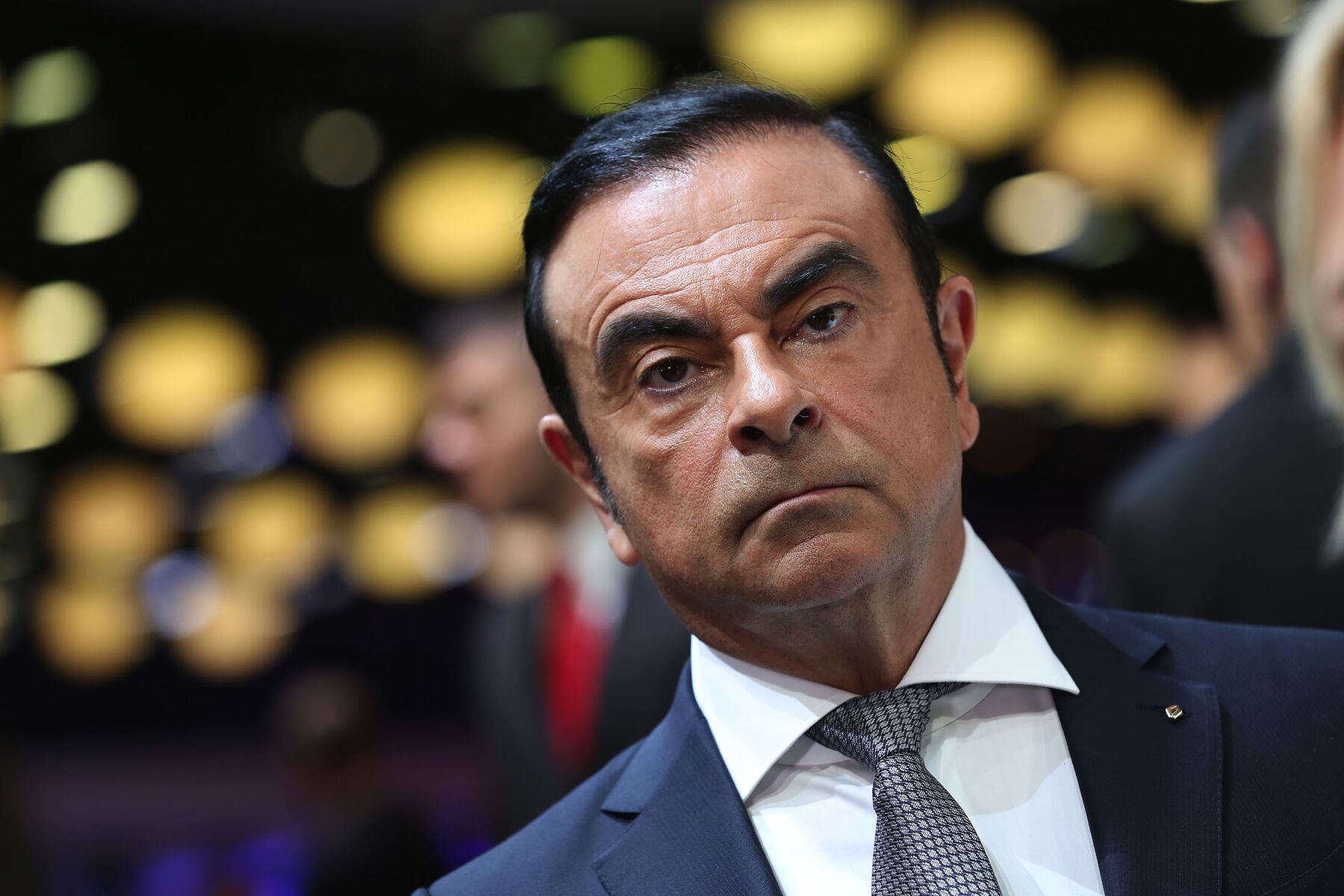
In Japan, is there one standard of justice for Japanese executives and another for non-Japanese executives? The forced resignation on Monday of Nissan Motor Co.’s chief executive officer, Hiroto Saikawa, certainly seems to suggest as much. When Nissan wanted to get rid of its then-chairman Carlos Ghosn, it conducted an internal investigation that was kept from Ghosn, found some examples of allegedly inflated compensation, sent the evidence to prosecutors — again without its chairman knowing — and patiently waited for a surprise arrest when Ghosn landed in Toyko last November. Ghosn then spent the next four months in a small jail cell, under dire conditions that were designed to break him and force a confession. “Hostage justice,” Ghosn criminal defense lawyer Takashi Takano calls it.
Although Ghosn was released on bail in March, he remains essentially under house arrest. One of the conditions of his bail is that he is not allowed to communicate with his wife, Carole. “Ridiculous and inhumane,” fumed Takano in a conversation I had with him a few weeks ago. (In a statement issued Monday afternoon, Takano described Nissan’s allegations as “baseless,” and described the company’s actions against him as “their orchestrated coup.”)
Now consider Saikawa’s situation.
A fierce opponent of Ghosn’s plan to merge Nissan with its smaller alliance partner, Renault SA, Saikawa took charge once Ghosn landed in prison. He was, by most accounts, a terrible CEO, unable to heal the rift with Renault, while his tenure, as Bloomberg News put it, was “marked by a series of missteps.” (He skipped a news conference in which he was supposed to talk about the company’s falsification of emissions data, for instance.) He also failed to stem a steep profit decline: Earnings were down 94 percent in the quarter that ended in June. Over the last year, Nissan’s stock price has dropped nearly in half. Last week, the results of an internal investigation revealed that Saikawa had received compensation that was … well, whaddya know? … inflated. According to Bloomberg News, he was overpaid by $841,000 via stock appreciation rights. Three other executives were also overpaid — including, irony of ironies, Hari Nada, the former head of Nissan’s CEO office, who was the first to raise questions about Ghosn’s compensation.

by executive-magazine.com --by Thomas Schellen -- In the beginning, the land was empty and without borders, but then came people who settled on the land and built upon it. The people divided the land into plots large and small and invented rights of ownership to the land, all that was built on it, the water and resources beneath it, and the airspace above. They drew up title deeds, named the plots and all that was built on them real estate, called them commercial and residential, and deemed that it was a fantastic asset class. Any thorough understanding of Lebanon recognizes that land in this country, when compared to most other countries and also considering the density of the population, is both desirable and scarce. The Lebanese link their identities to their villages, and ownership of private homes is as pronounced as the inclination to invest in domestic real estate. But is real estate in Lebanon a good investment today? The ruling assumption for over 20 years in post-1992 Lebanon was that while investments in this asset class might not always appreciate in value, they would never be losing propositions. Property prices, so the assumption goes, might stagnate, but never drop. The investment conditions and views on real estate in 2019, meanwhile, have become more nuanced.
Nuances about the current state of property investing in Lebanon are, however, far from the message of Beirut-based real estate developer, businessman, and investor Georges Chehwane. “When it comes to any kind of investment in real estate, I, Georges Joseph Chehwane, do not advise anybody to invest a penny in Lebanon,” Chehwane tells Executive. “In terms of investment and business, [Lebanon] is the worst place on earth.” In an outburst that appears almost calculated, the chairman of real estate developer Plus Properties and communications media venture Group Plus cites the lack of government support for property owners in Downtown Beirut, alongside persistent public corruption, slow permit processes, and increasing costs of dealing with public administration units. He further lambasts the rising interest cost of bank loans, which he says has risen to 13.5 percent per year for developers like him, and the lack of incentives that Lebanon offers to overseas investors in local real estate. Chehwane then juxtaposes these with investment incentives for property buyers in Cyprus—specifically European residency advantages—and the reliability and transparency of permit processes for Cypriot real estate. Plus Properties currently owns and develops more than 25 apartments in Cyprus, and the country, according to Chehwane, is attracting Lebanese property investors. “I am selling many apartments in Cyprus to Lebanese who do not want to keep their money in the Lebanese banks,” he says. On the other hand, from the vantage points of the financial and wealth management profession in Lebanon, the picture is not fundamentally grim.
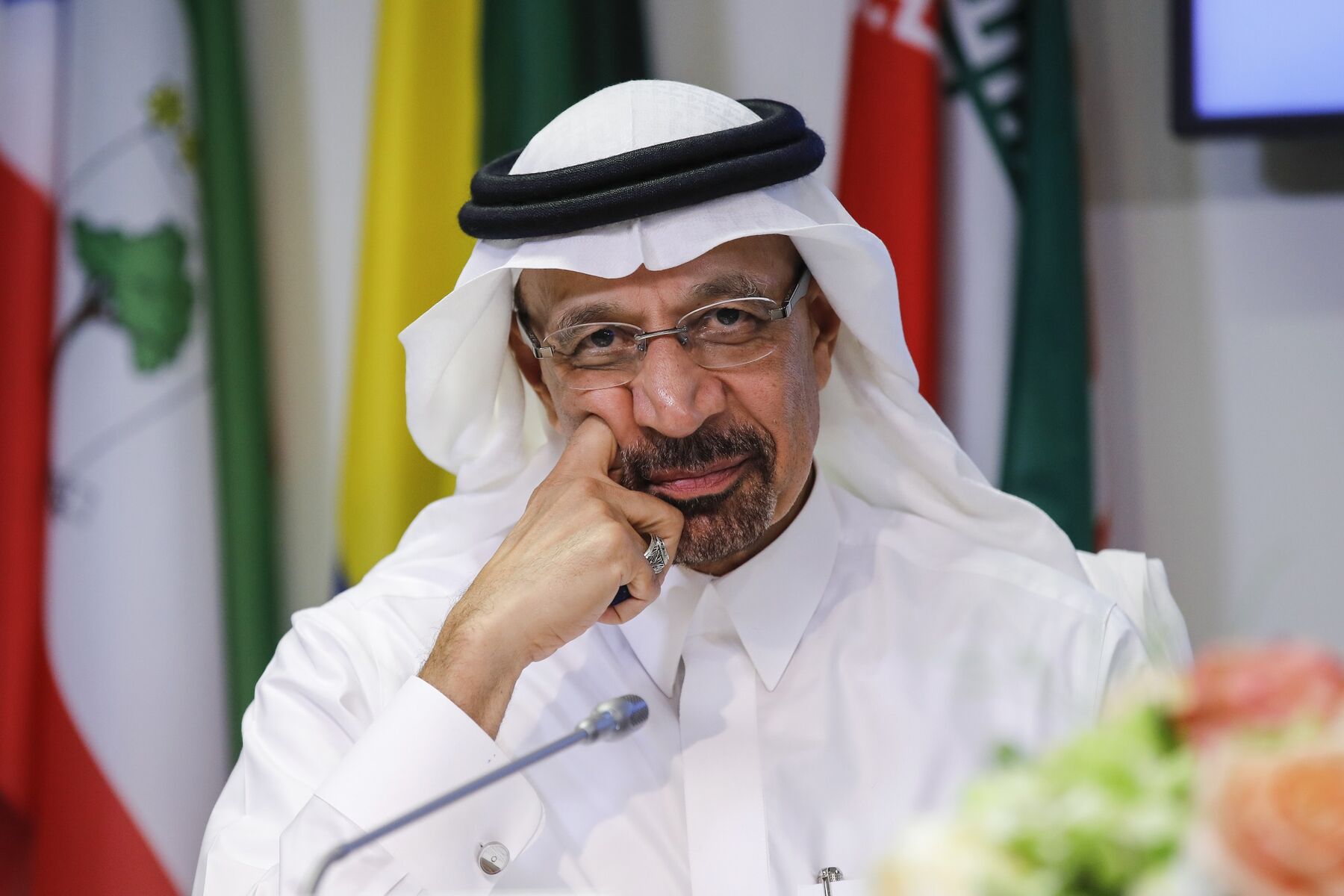
By Ros Krasny and Vivian Nereim -- bloomberg.com --Saudi Arabia’s king named his son Prince Abdulaziz bin Salman as energy minister, installing a royal family member at the helm of the kingdom’s oil policy for the first time. Prince Abdulaziz, a longtime top Energy Ministry official, is half-brother to the Crown Prince Mohammed bin Salman, but the two aren’t believed to be close and are quite far apart in age. The prince replaces Khalid al-Falih, whose future had been uncertain over the past week after he was stripped of his responsibility for overseeing industrial development and removed as head of Saudi Aramco.
Al-Falih had been the face of OPEC diplomacy over the past three years, as the producers’ group joined other major producers, most notably Russia, in an attempt to counter the rising tide of U.S. shale oil that flooded markets. The new minister takes charge as the world’s biggest oil exporter tries to bolster prices at a time when a raging trade war between the U.S. and China weighs on global demand. Prince Abdulaziz, who most recently served as state minister for energy affairs, is widely seen as a capable and experienced technocrat. In his former role, he oversaw a breakthrough in talks with fellow OPEC member Kuwait to resume output in the neutral zone between the two countries after a four-year halt. “Prince Abdulaziz is a very seasoned veteran of Saudi and OPEC policy making,” said Bob McNally, president of Rapidan Energy Group. “He won’t have a learning curve. I don’t expect any big rupture in current Saudi oil policy or relations with Russia.”

by inc.com --@BillMurphyJr The year was 2001, and Target did something that would be unthinkable today: it outsourced its entire online operation to Amazon. It seems crazy, but Target wasn't alone. Big names like Borders, Circuit City, and Toys R Us all did the same thing. Now those other brands are gone, but Target is thriving. So what did Target do differently? Why did it survive when the others didn't? Here's the story about a bold move Target made, that looks totally brilliant in retrospect. Borders, Circuit City, and Toys R Us
Let's go back to the start. E-commerce was still new in 2001. Online sales amounted to barely 1 percent of all retail. And Amazon was a small fraction of its size today. It had never turned a profit. Meanwhile, big retail leaders wanted to focus on their core businesses, so a parade of brands went into partnerships with Amazon. Here's part of the timeline: August 2000: Toys R Us announces a a 10-year exclusive partnership with Amazon. April 2001: Borders, then the second-largest U.S. bookstore chain, strikes a deal to let Amazon take over its entire digital operation. August 2001: Circuit City, the number-2 consumer electronics chain, does a deal with Amazon. But, look at where they all wound up: Toys R Us needed a lawsuit to get out of its Amazon deal. Afterward, it never put anywhere near enough resources into its own online sales, and the company closed its doors in 2018. Borders got out in 2007, but lasted only four more years before going bankrupt and closing all its stores.
Amazon grew its electronics business to $1 billion a year by 2004. Five years after that, Circuit City was on its own, in bankruptcy and closing its stores. Target basically went into the same kind of deal -- right after Circuit City, in fact. It was announced in the early morning of September 11, 2001. But the big difference that came later was that Target perceived the threat that a quick-growing Amazon posed, negotiated its way out, and poured tons of money into building its own digital operation. The Target deal It's worth noting how Amazon and Target switched places during the course of their deal. At the start, Target was much bigger, based on market capitalization: $31 billion for Target versus $4 billion on the day they signed the deal. But then...



Population Movements to Keserwan - The Khazens and The Maans
ما جاء عن الثورة في المقاطعة الكسروانية
ثورة أهالي كسروان على المشايخ الخوازنة وأسبابها
Origins of the "Prince of Maronite" Title
Growing diversity: the Khazin sheiks and the clergy in the first decades of the 18th century
Historical Members:
Barbar Beik El Khazen [English]
Patriach Toubia Kaiss El Khazen(Biography & Life Part1 Part2) (Arabic)
Patriach Youssef Dargham El Khazen (Cont'd)
Cheikh Bishara Jafal El Khazen
Patriarch Youssef Raji El Khazen
The Martyrs Cheikh Philippe & Cheikh Farid El Khazen
Cheikh Nawfal El Khazen (Consul De France)
Cheikh Hossun El Khazen (Consul De France)
Cheikh Abou-Nawfal El Khazen (Consul De France)
Cheikh Francis Abee Nader & his son Yousef
Cheikh Abou-Kanso El Khazen (Consul De France)
Cheikh Abou Nader El Khazen
Cheikh Chafic El Khazen
Cheikh Keserwan El Khazen
Cheikh Serhal El Khazen [English]
Cheikh Rafiq El Khazen [English]
Cheikh Hanna El Khazen
Cheikha Arzi El Khazen
Marie El Khazen