BEIRUT, (Xinhua) — The Rafic Hariri International Airport in Lebanese capital Beirut is not in need for expansion but only needs to …
by middleeastmonitor.com — Lebanese President Michel Aoun said Monday that the US decision to cut funding for the UN refugee agency UNRWA …

By Vivian Yee and Hwaida Saad --nytimes.com -- JIYEH, Lebanon — They call it the ladies’ beach. The name is demure; the scene, not so much — at least not once they pass the parking lot, the man checking tickets at the front gate and the dim corridor at whose far end blazes a rectangle of bronze sand and sea. Hijabs are unwound from heads, veils tugged from faces. Jeans and abayas evaporate, divulging string bikinis, tankinis and swim shorts. Under spindly cabanas by azure waves, two women lie chest down on lounge chairs, their bare backs implying bare fronts. All around them, gallons of tanning oil glisten on acres of copper skin. When a man on a Jet Ski buzzes past, a female lifeguard warns him off with a staccato of whistle blasts. “Men,” said Nada, a school bus supervisor from Beirut who was treading the Mediterranean just offshore, “are suffocating.”
In Lebanon, a sliver of a country on the Mediterranean coast where summer sticks to your skin like moist Saran wrap, the beach is less a luxury than a utility. It is hard to imagine going without. Public and pay-by-the-day beaches line the coast from Tyre in the south to Tripoli in the north, and every other billboard on the highways out of Beirut seems to display a bikini model promoting a tanning aid. (S.P.F., evidently, is not in style.) But many observant Muslim women consider it “haram” — forbidden — to expose their bodies in front of men who are not their husbands or, in some cases, close relatives. Other women may cover themselves in deference to conservative families and communities.
For them, a mixed-gender beach is to be avoided; those who go with their families roast in the sun fully clothed in hijabs and long-sleeved shirts and pants or abayas, the full-length caftans popular among devout Lebanese Muslim women. Hence the emergence of ladies’ beaches like this one, the Bellevue Beach Club in the seaside town of Jiyeh — a salt-tinged hiatus from the male gaze for $18 a day, just 20 minutes down a trash-perfumed highway from Beirut. “When you see me on Facebook, I look completely different,” she said, her hair loose and ropy in the water. “You wouldn’t recognize me.” After next year, when she planned to make the hajj, the pilgrimage to Mecca that every Muslim who can afford it is supposed to undertake at least once, she said she would avoid even the ladies’ beach; she, like many women who have completed the hajj, would adopt more modest attire. And she frowned on the women who had brought their young sons, who are allowed up to age 8 on the beach. She did not want her sons or grandsons to get used to seeing women’s bodies. But still. “I love to swim,” she said, smiling and shrugging, “so I have no other choice.” Nada and Ms. Amhaz agreed on one point: absolutely no beach selfies, not even to share with their husbands. “No, no!” they exclaimed, high-fiving. “My husband doesn’t need pictures,” Ms. Amhaz said. “He sees everything anyway.”
BEIRUT (Xinhua) — Lebanon has witnessed a remarkable growth in the number of Gulf tourists this summer season, said the Lebanese Investment …
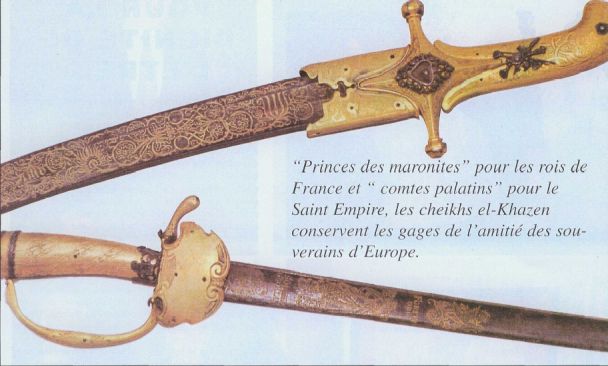

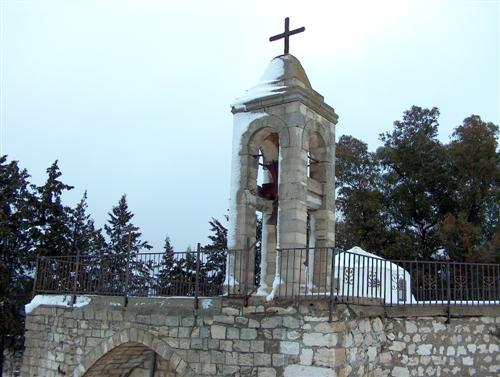
Population Movements to Keserwan - The Khazens and The Maans
ما جاء عن الثورة في المقاطعة الكسروانية
ثورة أهالي كسروان على المشايخ الخوازنة وأسبابها
Origins of the "Prince of Maronite" Title
Growing diversity: the Khazin sheiks and the clergy in the first decades of the 18th century
Historical Members:
Barbar Beik El Khazen [English]
Patriach Toubia Kaiss El Khazen(Biography & Life Part1 Part2) (Arabic)
Patriach Youssef Dargham El Khazen (Cont'd)
Cheikh Bishara Jafal El Khazen
Patriarch Youssef Raji El Khazen
The Martyrs Cheikh Philippe & Cheikh Farid El Khazen
Cheikh Nawfal El Khazen (Consul De France)
Cheikh Hossun El Khazen (Consul De France)
Cheikh Abou-Nawfal El Khazen (Consul De France)
Cheikh Francis Abee Nader & his son Yousef
Cheikh Abou-Kanso El Khazen (Consul De France)
Cheikh Abou Nader El Khazen
Cheikh Chafic El Khazen
Cheikh Keserwan El Khazen
Cheikh Serhal El Khazen [English]
Cheikh Rafiq El Khazen [English]
Cheikh Hanna El Khazen
Cheikha Arzi El Khazen
Marie El Khazen