By James Zogby -- thenationalnews.com -- Without exaggeration, Ralph Nader is one of the transformational figures in recent US history. Because of efforts he helped lead, we drive safer cars, have cleaner water and air, and have a range of safety protections in our homes and places of work. It wasn’t easy. To build the movement for change, he had to confront major US corporations, banks and powerful political lobbies, all of whom had entrenched interests in maintaining the status quo. I also know Mr Nader to be a deeply committed Arab American of Lebanese descent who is a tireless advocate for justice for Arabs and against discrimination here in the US. For months now, he and I have been discussing the continuing crisis in Lebanon and what, if anything, can be done to pull the country back from the abyss and create viable institutions that can provide needed services and earn public trust.
I am prompted to share some of his ideas after reading a lengthy paper recently released by the American Task Force on Lebanon and the Middle East Institute titled “US-Lebanon Relations: Setting a New International Framework for a More Responsive Government". Both groups have established a record of making valuable contributions to US foreign policy discussion. But while their diagnosis of the problems facing Lebanon are on target, some of the recommendations they offer leave me confounded. The ATFL-MEI report correctly begins with the ominous warning: “Lebanon is on a tragic trajectory, never before seen in its history … Lebanon’s failings can be attributed to endemic corruption by the political class and the ‘state within a state’ impunity of Hezbollah.” This is all true, but then, without even a hint of irony, the report continues: “Lebanon’s leaders must take the necessary risks to reverse their country from falling into the abyss of an economic and political meltdown.” It then goes on to make specific and needed reforms for the Lebanese government, parliament, ministries and political parties to implement.
by arabnews.com -- LONDON: While Lebanese politicians typically travel in multi-car motorcades, at least one European diplomat is beating the heavy Beirut traffic by getting on a bike. In a message posted on Twitter on Thursday, Hans Peter van der Woude, the Dutch ambassador to Lebanon, posted a photo of himself wearing a helmet and standing next to an e-bike as he prepared to set off for a meeting. The photo sparked an online debate about the country’s traffic problems, with many people praising him as an “example” for everyone to follow. “Setting a great example. Drive safely,” one user wrote.
Another asked the envoy whether he feels safe cycling around the busy streets of the capital. “I felt really comfortable on a bicycle in traffic,” van der Woude replied. “Just because drivers are not used to cyclists, they are more careful. One has to be vigilant though, like everyone in Lebanese traffic.” He added that he completes his journeys really quickly compared with people in cars, who often get stuck in traffic jams. Nasser Yassin, Lebanon’s environment minister, retweeted the envoy’s photo, thanked him and said the government backs the use of non-motorized transport options, also known as “soft mobility.” “We are supporting initiatives that will promote soft mobility in Beirut and other cities; but we need to work more with municipalities and others to create the right environment for soft mobility in our cities,” he wrote.
سجعان قزي
@AzziSejean
مطالبةُ السيدِ حسن نصرالله، أمينِ عامّ حزبِ الله، برئيسٍ "يَحمي ظهرَ المقاومةِ الإسلاميّةِ" تُذَكّرنا بمطالبةِ الميليشياتِ المسلَّحةِ الدولةَ سنةَ 1992، إذ لَحظَ اتفاقُ الطائف جَمعَ سلاحِ الميليشيات عمومًا، لكنَّ الجمعَ أتى جُزئيًّا وانتِقائيًّا فاستثْنى كليًّا سلاحَ حزب الله. وما خلا الجانبَ المسيحيَّ، لم يَعترِض على ذلك أركانُ اتّفاقِ الطائف وواضِعوه والحَريصون عليه، لا بل غَطَّوا بقاءَ هذا السلاحِ وسَوَّقوه في العالـمَين العربيِّ والدوليّ، وفتحوا لحزبِ الله قنواتِ اتصالٍ متعدِّدةً وجعلوه شريكًا مضارِبًا في القرارِ والسلطةِ والمفاوضاتِ الديبلوماسيّة. لا يضيعُ خطأٌ في الزمان.
مع الميليشياتِ القديمةِ كنّا نَعرِفُ أين يَبدأُ صدرُها وأين يَنتهي ظَهرُها. لكن أين ظهرُ مقاومةِ حزبِ الله ليحميَه الرئيسُ الجديد؟ الحدودُ مفتوحةٌ. هل تَبدأُ مقاومتُه من البقاعِ والضاحيّةِ الجنوبيّة؟ مِن الحدودِ الجنوبيّةِ ومزارعِ شِبعا؟ من حقولِ الطاقةِ في البحرِ ومدى الـمُسيَّرات في الجوّ؟ وأين تنتهي؟ في إيران وسوريا والعراق واليَمن ودولِ الخليجِ وما بعدَ "بابِ الـمَندِب"؟ في الجليلِ وغَزّة والقُدس وحيفا وما بعدَ حيفا؟
وَرطةُ لبنان أنَّ كلًّا من مكوّناتِه الكبرى اخْتلقَ "معتَقدًا" لا يُمسُّ وتَحصّنَ وراءَه كمرجِعٍ يُعبّر عن معيارِ وجودِه في الفَلَكِ اللبنانيّ. الشيعةُ ابتكروا "المقاومةَ الإسلاميّةَ" وقد صارت مجازيّة. المسيحيّون طرحوا "حقوقَ المسيحيّين" وقد أضْحت أيضًا مَجازيّة. والسُنّةُ استَحْدثوا "اتّفاقَ الطائف" وقد أصبحَ كذلك مجازيًّا. جَعلت هذه المكوّناتُ أو فئاتٌ أساسيةٌ منها هذه "المعتقداتِ الفئويّةَ" محورَ انتمائِها وعلاقتِها بالدولةِ اللبنانيةِ المركزيّة، عِوضَ أن يكونَ الانتماءُ إلى الكيانِ اللبنانيِّ مُحرَّرًا من أيِّ قيدٍ أو شرط. للوهلةِ الأولى نَظُن أنّنا أمامَ مسارٍ وطنيٍّ إيجابيٍّ، إذ صارت الفئاتُ اللبنانيّةُ تَشترِطُ ولاءَها للبنانَ بتأمينِ مطالبِها الذاتيّة، بينما كانت تاريخيًّا تَرهَنُ ولاءَها للكيانِ اللبنانيّ بتأمينِ مصالحِ دولٍ عربيّةٍ وأجنبيّةٍ فيه. لكنْ ما إِن تَحُفُّ بورقةِ "المطالبِ الذاتيّةِ" حتى تَكتشِفَ أنّها غِلافٌ يُخبِّئ تحتَه مطالبَ الدولِ الخارجيّةِ نفسِها مع زيادةِ إيران إلى اللائحة.
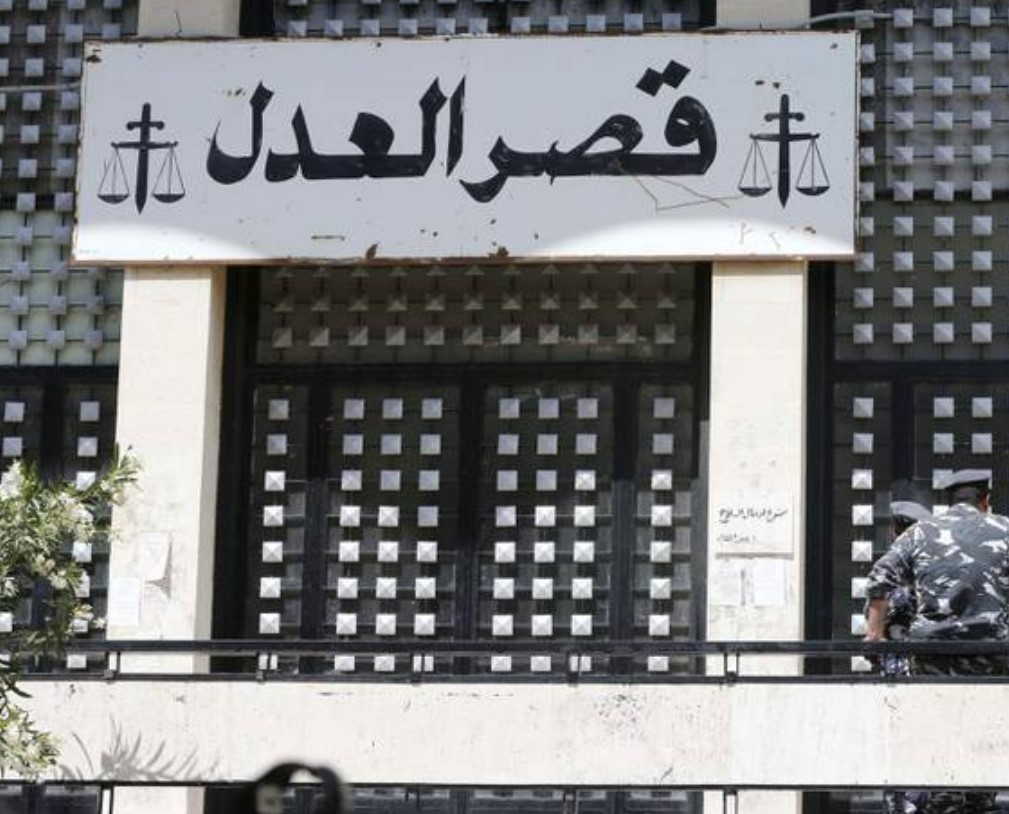
By Najia Houssari -- arabnews.com -- BEIRUT: A German judicial delegation stormed out of the Justice Palace in Beirut on Wednesday, disappointed that its requests had been turned down. The German delegation was the first to arrive in Beirut, followed by delegations from France and Luxembourg, to investigate alleged fraud by Riad Salameh, the governor of the Mediterranean country’s central bank, the Banque du Liban. Salameh’s name was mentioned in cases related to financial transfers from Lebanon to the banks of the aforementioned countries. The delegations will try to identify the sources of the funds and their connection to corruption, money laundering and financial crimes in European countries. Arab News learned that the German delegation met on Wednesday with the appellate public prosecutor in Beirut, Judge Raja Hamoush, who was assigned to facilitate the delegation’s work and to show them Salameh’s file, which the Lebanese public prosecutor’s Court of Cassation had investigated without charging anyone.
However, the German delegation included officials from the German police, so Hamoush asked them to leave the office, as the meeting was purely judicial, arguing that they had no capacity to be there or view any files. A judicial source told Arab News: “The German judges were equipped with advanced cameras. When the file was placed in front of them, and it was sealed with red wax, they asked if they could photograph its contents once opened as it includes hundreds of documents and papers. Hamoush refused and said that the judges should submit their request to the public prosecution’s Court of Cassation.” The source added: “They then asked to take a couple of snaps using their mobile phones, but Hamoush categorically turned down such requests. The delegation thus left Hamoush’s office and headed to that of Public Prosecutor Judge Ghassan Oueidat, and the file remained sealed with red wax.” The source noted that the delegation asked Oueidat to be allowed to photocopy the file, but he told them that he needed a written request and to know exactly what they wanted from the file. Following this, the German delegation stormed out of Oueidat’s office and left the Palace of Justice.




Population Movements to Keserwan - The Khazens and The Maans
ما جاء عن الثورة في المقاطعة الكسروانية
ثورة أهالي كسروان على المشايخ الخوازنة وأسبابها
Origins of the "Prince of Maronite" Title
Growing diversity: the Khazin sheiks and the clergy in the first decades of the 18th century
Historical Members:
Barbar Beik El Khazen [English]
Patriach Toubia Kaiss El Khazen(Biography & Life Part1 Part2) (Arabic)
Patriach Youssef Dargham El Khazen (Cont'd)
Cheikh Bishara Jafal El Khazen
Patriarch Youssef Raji El Khazen
The Martyrs Cheikh Philippe & Cheikh Farid El Khazen
Cheikh Nawfal El Khazen (Consul De France)
Cheikh Hossun El Khazen (Consul De France)
Cheikh Abou-Nawfal El Khazen (Consul De France)
Cheikh Francis Abee Nader & his son Yousef
Cheikh Abou-Kanso El Khazen (Consul De France)
Cheikh Abou Nader El Khazen
Cheikh Chafic El Khazen
Cheikh Keserwan El Khazen
Cheikh Serhal El Khazen [English]
Cheikh Rafiq El Khazen [English]
Cheikh Hanna El Khazen
Cheikha Arzi El Khazen
Marie El Khazen